Why this lobster trip mattered before the cooking even started
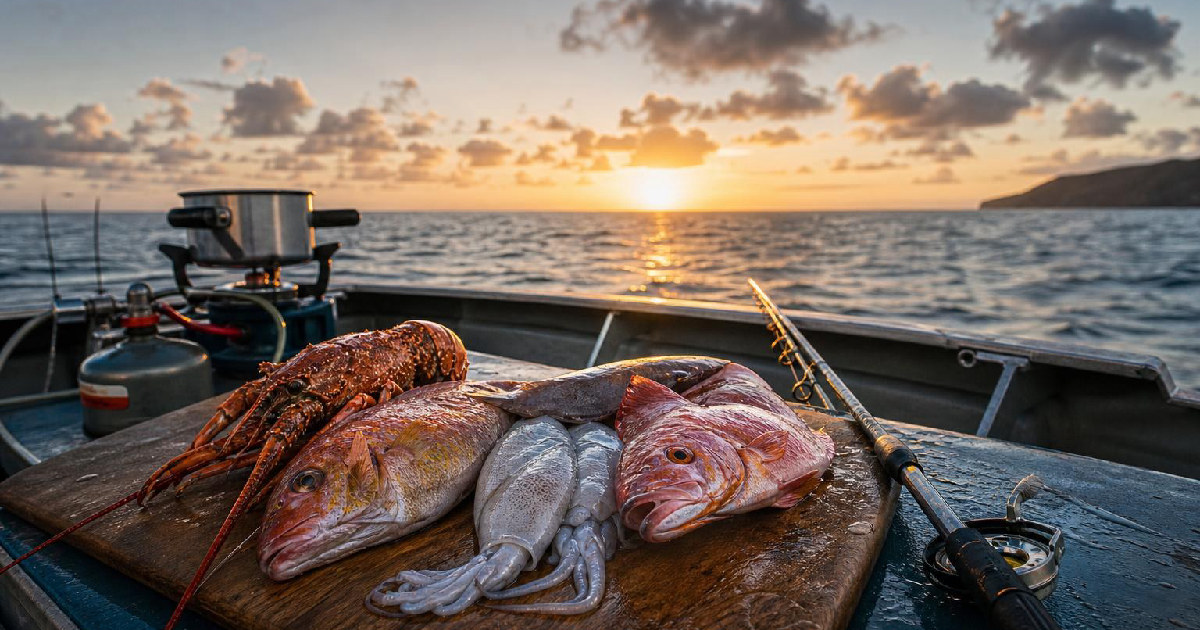
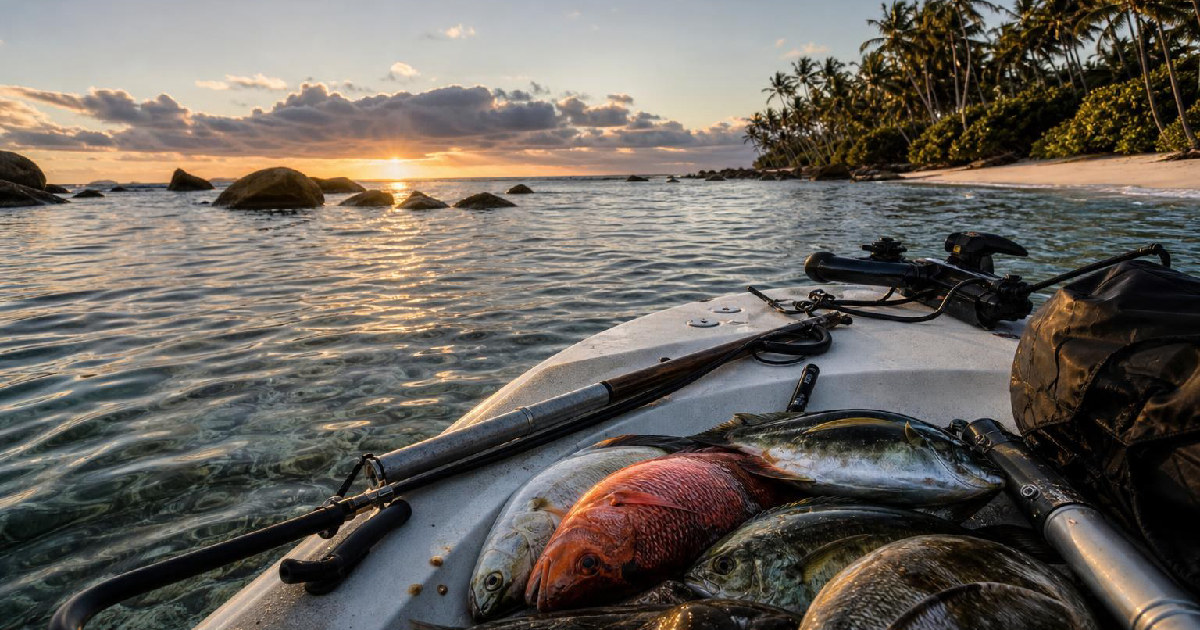
The short answer is that this giant lobster catch and cook is really about two things at once: the hunt for oversized crayfish in a remote setting, and the way the meal becomes a test of judgment. The crew is not just filling a plate. They are deciding what to keep, what to put back, and how different a soft shell crayfish might taste from a hard shell one once the barbecue and sauce come into play.
That balance gives the video its shape right from the start. The trip is framed as a search for giant lobsters in a place where the water is clear, the wind is easing off, and the beach is busy with turtles. It feels like a day where the conditions and the wildlife are already doing half the storytelling. Then the actual crayfish work begins, and the real interest becomes less about one dramatic catch and more about the size of the animals, the teamwork required to handle them, and the restraint shown when something is clearly too big to take home.
Big crays, careful hands, and the choice to release
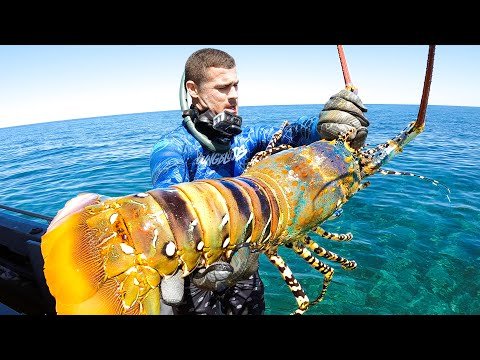
One of the most memorable parts of the video is how often size changes the decision-making. The crew talks through the different crayfish they are seeing, including Western rock lobsters, painted crayfish, and giant ornate crayfish. The giant ornate crayfish are described as the real monsters of the day, far larger than the others they come across. That comparison matters because it gives the trip a clear scale: not every large lobster is the same, and not every impressive catch is automatically headed for dinner.
There is also a practical caution running through the whole outing. The transcript makes it clear that the bigger crayfish have strong grips, sharp horns, and the kind of toughness that demands respect. The crew handles them carefully, often using bare hands for visibility when checking berried females, but gloves are also part of the reality of dealing with those spiny shells. The emphasis is not on roughness or bravado. It is on knowing what they are holding, being able to identify it properly, and avoiding unnecessary harm.
That is especially important when a berried female shows up. The video explains the reason she goes back: eggs matter, and the crew does not treat every lobster the same way. The release is not presented as a grand speech. It is shown as a straightforward decision that fits the way the day works. The same approach shows up again when the biggest crayfish of the session is eventually measured, admired, and then returned because it is simply too large. The message is simple: a catch can still be a success even when the biggest animal never becomes dinner.
Soft shell versus hard shell: what changed at the barbecue
The catch-and-cook portion of the video is built around a very specific comparison. The crew keeps both a soft shell crayfish and a hard shell crayfish, then cooks them the same way so the difference can be judged honestly. That is a smart structure because it keeps the question practical rather than theoretical. Instead of talking about shell texture in the abstract, they put both crays on the barbecue and let the meal answer for itself.
The transcript shows just how different the prep feels. The soft shell is easy to split open, while the hard shell requires real pressure and sharper tools to get through. That handling difference becomes part of the argument before the first bite even happens. One shell is visibly easier to work with; the other feels like armor. The cooking method is kept consistent, with butter and barbecue heat used for both, so the comparison stays clean.
What the tasting reveals is just as interesting as the prep. When the family finally digs in, the reaction is not some dramatic verdict about one being vastly superior. The response is more grounded than that: both taste beautiful, and the difference is not obvious in the way people might expect. That restraint is part of why the segment works. It does not force a winner where there may not be one. Instead, it lets the audience sit with the idea that shell condition changes the experience of handling and cooking more than it changes the basic pleasure of eating the lobster.
Passion fruit from the garden becomes the wildcard
The sauce is the piece that gives the meal its personality. Before the cooking begins, the creator mentions passion fruit picked from a garden at home and says he found a recipe online that pairs lobster with passion fruit. That little detail matters because it keeps the video rooted in the creator’s own routine rather than turning the meal into a generic seafood cook-up.
The sauce also adds a sense of experimentation. It is not presented as a tried-and-true family standard. It is something new they want to test. The ingredients are simple enough to follow from the transcript: passion fruit, lime, thick cream, mustard, butter, and chopped aromatics being cooked together into a sauce. The result is treated as a reveal moment, but the real appeal is that it feels homemade and slightly surprising, especially against the backdrop of a day spent chasing big crustaceans on remote water.
That surprise is why the sauce lands. The lobster itself is already the prize, but the passion fruit pushes the meal beyond a standard catch-and-cook. It turns the final plate into a small experiment in contrast: rich seafood, sharp citrus, sweetness, and cream all on one bench by the beach. The family reaction tells the story better than any polished description could. They like it enough that the sauce becomes part of the memory, not just a side note.
Why the video lands as a family catch-and-cook, not just a haul
What keeps this episode from feeling like a simple fishing recap is the amount of family movement around the edges of the hunt. There are two boats involved, people calling out turtles, someone spotting animals in the water, and the whole day bending around a shared outing rather than a solo mission. The remote-island setting matters, but the people matter too.
That family presence gives the video its easy momentum. The hunt is still about crayfish, but the social energy comes from the way the crew works together: one person blocking an exit under a ledge, another guiding the crayfish toward the right side, others watching the boats, the beach, and the cooking setup. Even the biggest catch is framed as an outcome of teamwork rather than one heroic move.
The final meal works because it brings all of that back to a table-level question: after the effort, the handling, the releases, and the size checks, what actually tastes best? The answer, in the video’s own terms, is less about declaring a single champion and more about enjoying the fact that both versions of the lobster are good, the sauce is a hit, and the day gave the family something worth talking about long after the barbecue is done.
Watch the original video: https://www.youtube.com/watch?v=qCC86cjsPnk
RECOMMENDATIONS
All About The Life designs from Texas Thread Theory, inspired by the places you go and the stories you bring back.
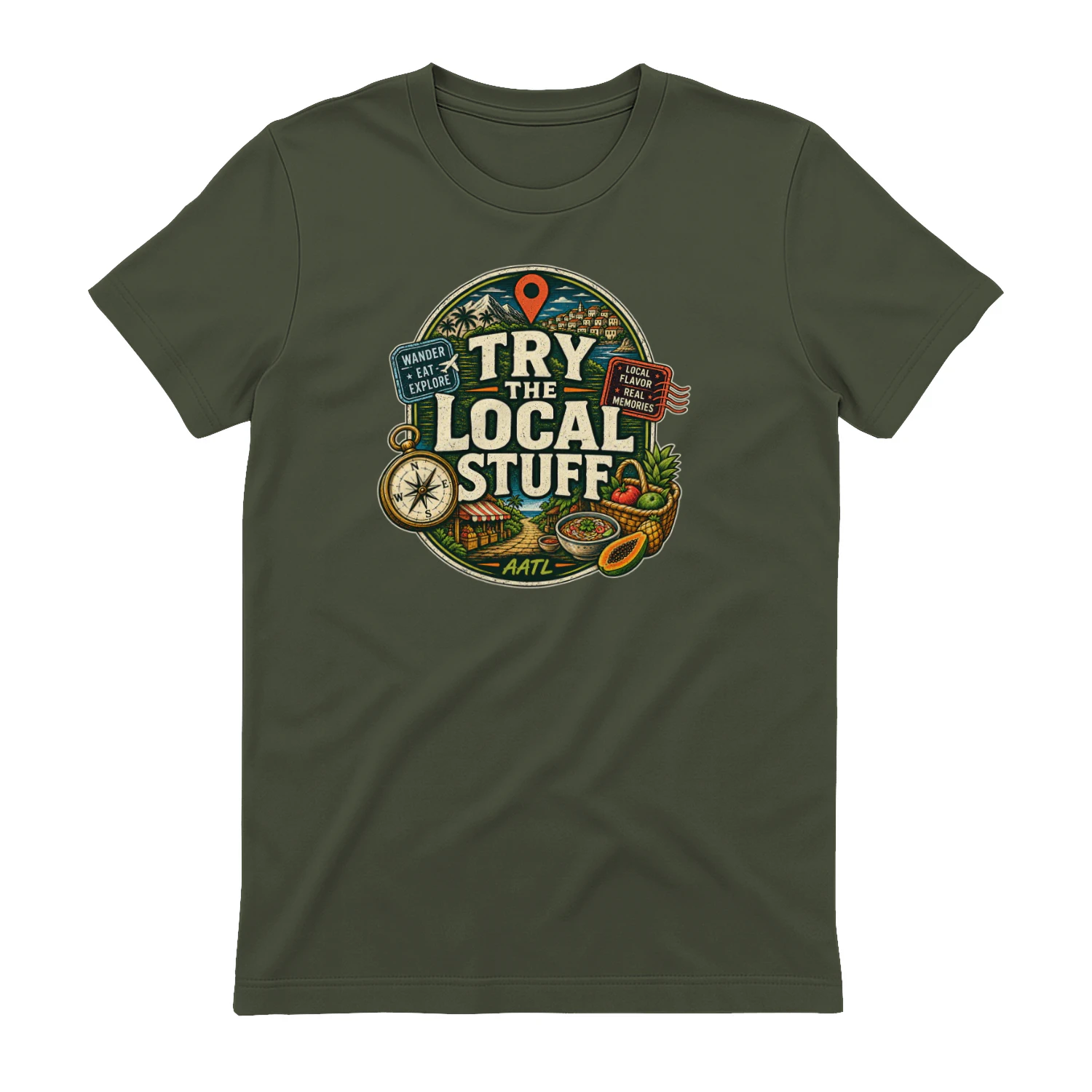
Try The Local Stuff
A vintage travel-and-food design encouraging you to “Try The Local Stuff.” Inspired by markets, local ingredients, destination scenery, and the thrill of discovering something new, it’s made for travelers and food lovers who believe tasting a place is part of experiencing it.