Why the trip begins with food, not comfort
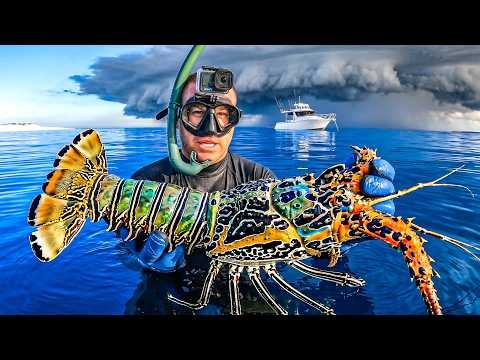
The direct answer to what this video is about is straightforward: YBS Youngbloods head out to remote islands after storm damage has left them without normal supplies, and they spend the trip trying to catch enough food for themselves and their families. That simple setup gives the whole video its shape. This is not a leisurely fishing day. It is boat camping with a purpose, and every stop is judged by the same question: can they pull something useful out of the ocean?
The first thing that stands out is how little they bring with them. No food is packed, so the crew is relying on whatever the sea will give up over the next few days. That creates a different rhythm from an ordinary fishing outing. The goal is not just to get a bite. It is to build a temporary way of living around the catch itself.
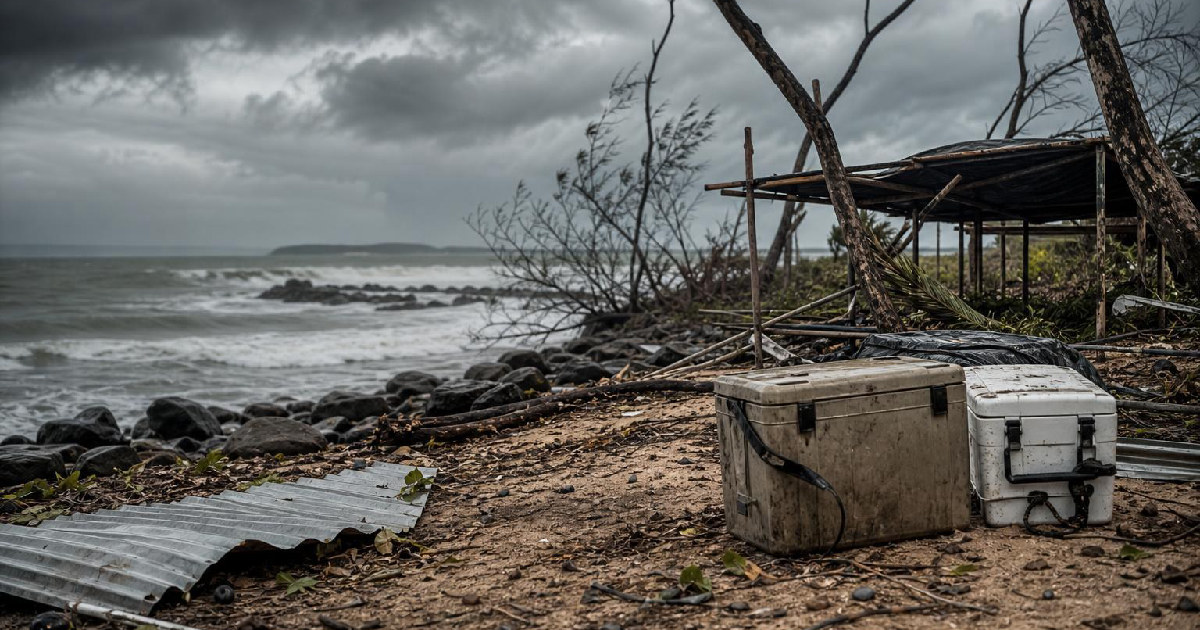
The storm damage sits in the background of everything. The video makes clear that a cyclone destroyed their home and interrupted the usual flow of fresh food and power. That is why the trip matters beyond the action on the water. The fishing is not framed as sport. It is practical, immediate, and tied to home.
Searching new ground between islands
A big part of the episode is the search. The crew keeps moving from spot to spot, looking for new ground, ledges, bommies, and promising rock structure. They are reading the water as much as they are fishing it. Birds, bait activity, and the shape of the bottom all become clues.
That search process gives the trip a working feel. One diver drops in to scout halfway down before the group commits, which makes sense when they are trying to conserve time and locate a productive patch. The video leans into that team setup: someone checks the ground, someone follows up, and if the spot looks alive, they send more bodies in.
Even the brief wildlife moments fit into that same exploratory mood. The whale in the distance becomes an unexpected spectacle, with the crew trying to make sense of what they are seeing while the drone captures the scene. It is a reminder that these days on the water are never only about the fishing. The ocean is always doing its own thing around them.
The day’s catches and what they mean for the crew
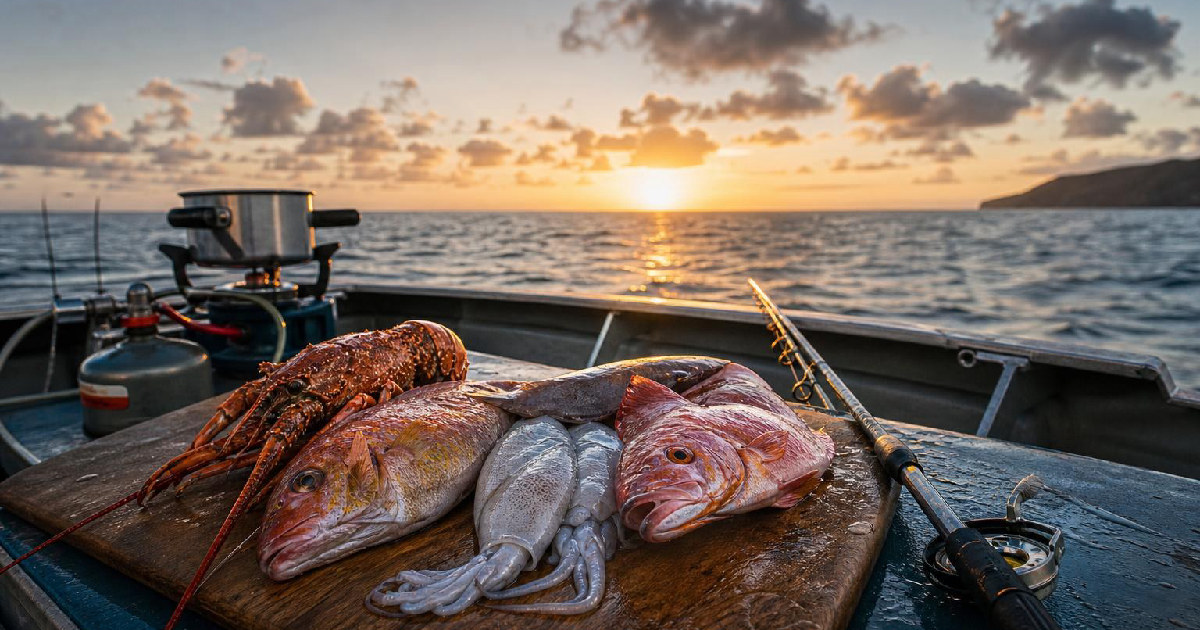
The first big takeaway from the fishing is that the crew does not need a single giant moment to make progress. The trip is built on a series of useful catches: a wahoo, coral trout, Rankin cod, blue bone, a nanny, and other fish that help fill the practical need for food.
What makes those catches matter is not just size, but timing. The crew keeps talking about how fresh food has been scarce since the storm. So when fish start coming over the side, each one feels like a step toward normal life, even if that normal is temporary and improvised.
There is also a nice contrast in the way the video treats the catches. Some moments are chaotic and noisy, with the crew yelling over screaming drags and fish that run hard. Other moments are calmer, almost methodical, like choosing a smaller coral trout because it will cook better later. That balance tells you a lot about how they are thinking. They are not just chasing trophies. They are building meals.
The squid-hunting goal for the next day adds another layer to that logic. The crew is already planning ahead for deep sea fishing and needs bait as much as they need dinner. In other words, one catch supports the next one. The whole trip runs on that kind of chain reaction.
Cooking on the boat and turning the sea into dinner
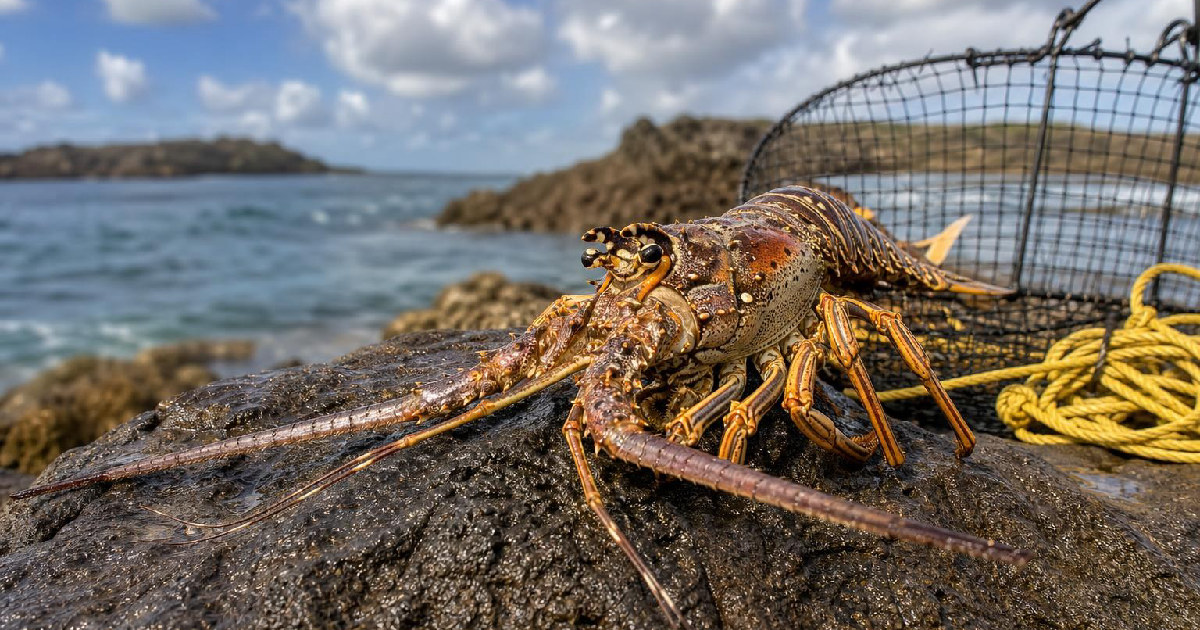
Once the fishing starts to stack up, the episode shifts from catch mode into food mode. The boys cook fresh lobster and then start putting together the kind of simple boat meal that makes sense when you are living out of a moving platform.
That is one of the most satisfying parts of the video because it shows the practical payoff immediately. The catch does not stay abstract. It becomes dinner. Fish wraps come back into the mix, and the crew treats the cook as part of the mission rather than a break from it.
There is also a sense that the act of cooking helps mark time. They talk about the sun creeping down, about heading into the next morning, and about what the deeper fishing day will look like. Food is not just the reward for the day. It is what lets them keep going into the next one.
For viewers, that is probably the most useful takeaway from the whole episode: this is what living from the ocean looks like when it is done with a purpose. It is not polished, and it is not tidy. It is hot oil, fresh fish, tired arms, and a group of people trying to stay ahead of hunger by reading the water correctly.
Why the deeper fishing day matters next
The video is titled around surviving from the ocean, but the deeper story is how the crew keeps adapting. They are not locked into one method. They scout shallower ground, look for ledges and bommies, fish close to structure, and then prepare for a deeper offshore run where sharks become part of the calculation.
That planning gives the episode momentum. Each stage feeds the next: scouting leads to fish, fish support dinner, dinner supports another day, and the next day is set up around the need for squid bait and deeper water. The mission keeps expanding, but it stays grounded in the same idea — the sea is their pantry for the moment.
If you are coming to the video looking for a simple fishing highlight reel, that is part of it. But the more interesting layer is the way the crew turns storm disruption into a working system. They use the boat as camp, the ocean as supply, and teamwork as the thing that keeps the whole setup moving.
Watch the original video: https://www.youtube.com/watch?v=LAW_JP2k3L8
RECOMMENDATIONS
All About The Life designs from Texas Thread Theory, inspired by the places you go and the stories you bring back.
All About The Life Beach Signpost Badge
A tropical All About The Life travel badge featuring a glowing sunset, beach chairs, ocean scenery, and a signpost pointing toward Beaches, Mountains, Road Trips, and Good Eats. It’s a celebration of all the different ways to get out, explore, eat well, and enjoy the good life.