A hunt defined by terrain, not just bugles
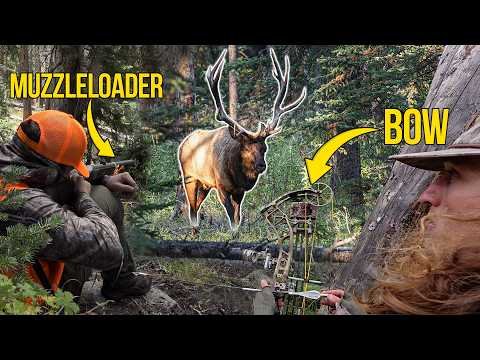
This elk video is really about how quickly a hunt can become a reading test. The elk are active, the country is steep, and the crew keeps trying to turn sound into a workable setup. The direct answer is that this is a rut hunt built around two different weapon systems, a big ditch that controls movement, and a bull that ends up being much closer than anyone first thought. That combination gives the whole trip its shape. It is not just a story about hearing elk. It is a story about what happens when hearing them is the easy part.
The crew also has a broader trip around this hunt, including travel pressure, packing, camp decisions, and a late start after other obligations back home. That matters because it adds context to the pace of the hunt. They are not drifting through the woods with endless time. They are trying to get set, stay organized, and make smart choices while the rut keeps moving around them.
Why splitting into team bow and team muz made sense
One of the cleanest things about this hunt is the crew’s willingness to divide based on weapon and opportunity. The muzzleloader group and the bow group are not competing for the same exact answer. They are working the same elk, but they are doing it with different margins for error and different ideas about how close they need to get.
That split becomes especially useful once the elk are heard in different parts of the same drainage. The group starts to realize that a single straight-in approach may not be the best move. Instead, they begin thinking in terms of coverage, timing, and who should take which side of the country. In a place with limited communication and a lot of elevation change, that matters. The crew is constantly balancing two things at once: staying together enough to make a plan, and staying flexible enough to react when the elk shift.
The video also makes clear that this is not a neat, controlled setup. Everyone is dealing with the realities of the hunt at the same time: long hikes, a full pack, camp logistics, and the uncertainty that comes with being in elk country with multiple tags in play. The split helps them hunt more cleanly, but it also reflects how complicated a real backcountry push can get once the season pressure, daylight, and terrain all start stacking up.
The first close encounter: when ‘far away’ wasn’t far at all
The standout moment comes when a bull bugles close enough to feel like a distant sound, then turns out to be much closer than expected. That sequence is the kind of thing hunters remember because it compresses everything: confidence, urgency, and the split-second difference between thinking and acting.
Jake pauses at the wrong time, the bull sounds off, and suddenly it is clear the elk is not where everyone assumed. The crew realizes almost immediately that the animal is nearby and moving with enough intent to punish hesitation. It is a classic rut lesson: sound can flatten distance. A bull that seems way up the mountain may actually be within range, or at least within range if the setup and readiness are already there.
The crew is honest afterward about what happened. The bull looked like a solid opportunity, but the moment was over before a clean shot could be made. That honesty is part of what makes the segment work. Nobody tries to pretend it was a perfect setup. Instead, the moment becomes a useful lesson in how fast a bugle can pull hunters into a bad rhythm if they stop moving or stop being ready.
Reading the ditch, the meadow, and the wind
The country itself is almost a character in the video. The crew keeps talking about a big ditch, a meadow, and the way elk are using both sides of the terrain. Those features are not just background. They are the reason the hunt keeps changing shape.
The ditch works like a boundary and a funnel at the same time. It splits elk, gives the hunters a reference point, and creates a natural line they can use to move with the wind. The meadow is different. It opens the country up, but it also exposes the hunters if they try to cross it too openly. That is why their moves keep revolving around timing and visibility. They are not simply trying to get closer. They are trying to get closer without being seen, winded, or forced into the wrong side of the drainage.
That tension shows up over and over. The elk keep moving, the crew keeps hearing bugles from slightly different spots, and the wind keeps asking for patience. Instead of charging in, they circle, hold, and adjust. The result is a hunt that feels very alive even when nobody has an arrow or a muzzleloader round in the perfect place yet.
What the crew learned about calling a bull elk
One of the most useful parts of the video is how clearly it shows the limits of calling when the setup is not ideal. The crew does get responses, but responses alone do not guarantee a shot. A bull can answer, move, pause, or angle away without ever stepping into the opening the hunters want.
That is what makes the post-hunt reflection so useful. The crew looks back and recognizes that the setup was slightly too far from the meadow edge to capitalize when the bull finally appeared there. They also see another option in hindsight: staying in cover longer and working around the opening before calling might have led to a better approach. That kind of reflection turns the video into more than a close call. It becomes a practical example of how setup location changes the whole outcome.
There is also a clear takeaway about bull behavior during the rut. A bugle does not always mean a bull is where it sounds like he is. It can mean he is closer, farther, or moving in a way that does not line up with what the hunter expects. The crew learns that the hard way, but they also use the experience to adjust. That makes the hunt feel earned rather than tidy.
Why this hunt still felt alive at the end
Even though the crew does not finish with a clean, dramatic closure in this part of the series, the video never feels empty. In fact, the hunt ends with momentum. They have close encounters, fresh sign, and a better sense of where the elk are using the country. They also have a clearer idea of how to work the wind and terrain on future sits.
That is probably the most honest way to read this kind of elk hunt. Success is not only a filled tag. It is also the moment when a group realizes it has located a pattern and learned enough from the near miss to come back smarter. The crew leaves this segment with confidence, not because everything worked, but because the country started to make sense.
For viewers who like elk hunting content that leans into process instead of just payoff, this is the part that matters: the elk are in the area, the rut is active, and the next decision matters more than the last mistake. That is why the video holds together. It is built around a hunt where every bugle is a clue, every ridge changes the plan, and every close call teaches something about how to hunt the next one better.
Watch the original video: https://www.youtube.com/watch?v=AdcvYUIP9o4
RECOMMENDATIONS
All About The Life designs from Texas Thread Theory, inspired by the places you go and the stories you bring back.

Keep Exploring Badge
A vintage outdoor badge centered on one simple message: “Keep Exploring.” With mountains, evergreens, a river, hiking boots, lantern, map, and compass details, it’s made for hikers, campers, travelers, and anyone who is always curious about what’s around the next bend.