The last-day elk hunt was really a lesson in pressure and patience
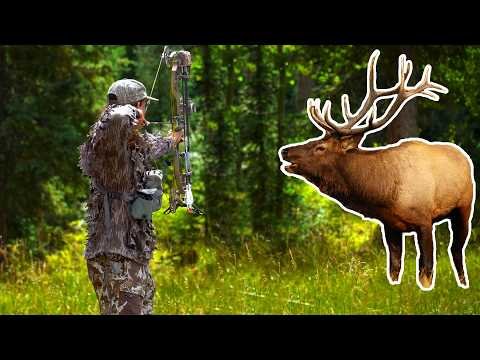
The strongest part of this video is not a single shot or a final payoff. It is the way the hunt keeps forcing the crew to make decisions in real time while the elk keep changing the terms. The direct answer is simple: this was a day full of chances, but not a clean conclusion. The crew got close, heard plenty of bugling, and kept adjusting to wind, cover, and steep ground as the elk shifted around them.
That makes the episode useful in a way a simple kill video would not. You are watching hunters try to solve a moving problem, and that problem keeps getting harder every time they think they have it figured out.
Why the bugles felt close but weren’t always easy to close on
One of the biggest takeaways from the hunt is how deceptive elk vocalizations can be. The crew repeatedly works off bugles they believe are one distance, only to find that the animals are much closer or further than expected. That uncertainty shapes almost every move they make.
The hunt keeps circling back to the same basic tension: if the elk are bugling, do you push now or slow down and make sure the setup is right? The answer in this video is not fixed. Sometimes the crew leans into the sound and tries to cut the distance. Other times they have to stop and make sure they are not walking themselves into a bad wind or an exposed lane.
That tension is part of what makes elk hunting so different from simpler forms of tracking. Sound gives you a direction, but not a perfect map. And once the herd starts moving, even a good starting point can unravel fast.
Steep ground, open timber, and the problem of seeing elk before they see you
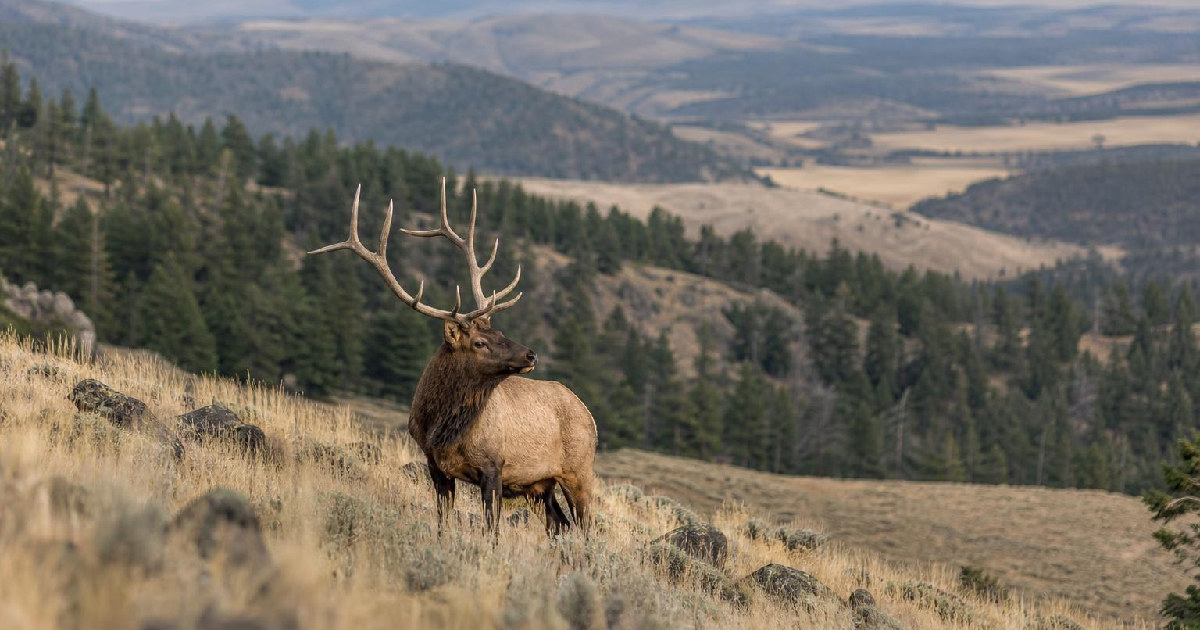
The terrain becomes a character of its own here. The crew talks constantly about steep drops, open stretches of timber, and rocky sections that make it hard to move without being exposed. They are trying to hunt downhill in some places, then work around to stay above the elk in others, all while keeping an eye on where the cows and bull might be feeding or bedding.
That matters because the video makes clear that the challenge is not just reaching the elk. It is reaching them without becoming obvious. In a mountain setting like this, a straight line is rarely the best line. Cover matters. Angle matters. Wind matters. And sometimes the group has to pass on what looks like a better approach because it would put too much open space between them and the animals.
This is where the hunt stops feeling like a simple chase and starts feeling like route planning under pressure. The crew is not just asking where the elk are. They are asking how to get there without giving the game away.
What the crew says this hunt taught them about bedding and calling
Later in the video, the team shifts from the field action into the lessons they think the trip reinforced. One of those lessons is about bedding behavior. Their point is not that elk behave exactly like deer or that any one mountain can be solved with a formula. It is more modest than that: there are patterns worth noticing, especially when flat ground transitions into steeper slopes, or when shaded areas and water create conditions elk may prefer during the day.
That is a useful correction to the instinct many hunters have to treat every fresh bull location as isolated. The video suggests the crew is building a bigger mental map from repeated hunts, and that map is based on recognizing recurring terrain features rather than assuming elk will always follow one predictable script.
The other major lesson is about calling. The video does not argue for a single calling style. Instead, it lands on something more flexible: calling can work, but overusing it can also create problems. Sometimes a bugle might pull a bull. Sometimes cow calls may be the better fit. Sometimes silence and a careful stalk make more sense.
That flexibility is the bigger point. The crew is not looking for a universal trick. They are trying to read the situation well enough to choose the right tool, and then to know when to stop before they overplay it.
Aggressive is useful. Reckless is not.
This may be the clearest practical theme in the whole episode. The crew admits that they became more aggressive as the hunt went on, especially when they kept hearing bulls and seeing sign. That aggression helped them stay in the game and make bold moves on steep ground.
But the video also shows the limit of that mindset. At some point, pushing harder stops being smart and starts becoming a liability. The elk are mobile, the cover is inconsistent, and one bad move can ruin a promising setup. The crew learns that there is a line between pressing an advantage and forcing a mistake.
That is what gives the closing reflections real weight. They are not celebrating a perfect plan. They are looking at missed opportunities and using them to sharpen judgment for the future. The hunt becomes a reminder that aggression without discipline does not automatically equal better results.
Why this trip matters beyond the misses
A lot of hunting videos are built around the outcome. This one is built around the process. That is why it works as a companion feature: the interest is not limited to whether the team tags out. It is about what the day reveals when the elk are active, the terrain is tough, and every move has consequences.
The video keeps coming back to a few hard-earned ideas. Bugles can be closer than they sound. Elk use terrain and bedding cover in ways that reward careful reading. Calling is a tool, not a guarantee. And being bold only helps if you stay clear-eyed about how much pressure the situation can actually handle.
There is also a practical humility running through the whole thing. The crew does not pretend the trip was solved by one clean read. They are honest about getting spotted, about losing track of a bull, and about not fully connecting when the day gave them opportunities. That honesty is part of the value here. It turns the hunt into something a viewer can actually learn from instead of just admire.
For anyone interested in elk hunting, public land strategy, or how a group works through difficult mountain country, this video is less about the final scoreboard and more about the shape of the chase. It shows how a hunt can be full of movement and still end with unanswered questions.
Watch the original video: https://www.youtube.com/watch?v=eNb1t9AQw8E
RECOMMENDATIONS
All About The Life designs from Texas Thread Theory, inspired by the places you go and the stories you bring back.

Life Happens Out There
An outdoor-focused AATL design celebrating mountains, forests, hiking, camping, road trips, and the simple idea that life happens when you get out there and explore.