Why Chiricahua feels like a place you earn
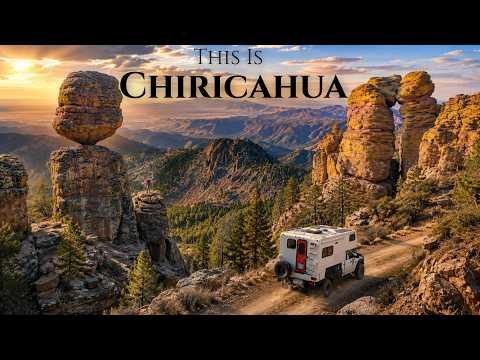
The direct answer to what this video is about is simple: Mortons on the Move take a rugged route through the Chiricahua Mountains, camp in the high country, and then explore Chiricahua National Monument on foot. But that plain summary misses the part that makes the trip stick. Chiricahua is not presented as a quick stop with one famous view. It feels like a place that asks you to commit to the road, pay attention to the weather, and let the landscape set the pace.
That is what gives the video its shape. The mountains, the forest road, the trails, and even the wildlife sightings all reinforce the same idea: this corner of southeast Arizona is remote enough to feel special, but accessible enough to reward the effort if you arrive prepared and patient.
The east-side mountain road changes the pace immediately
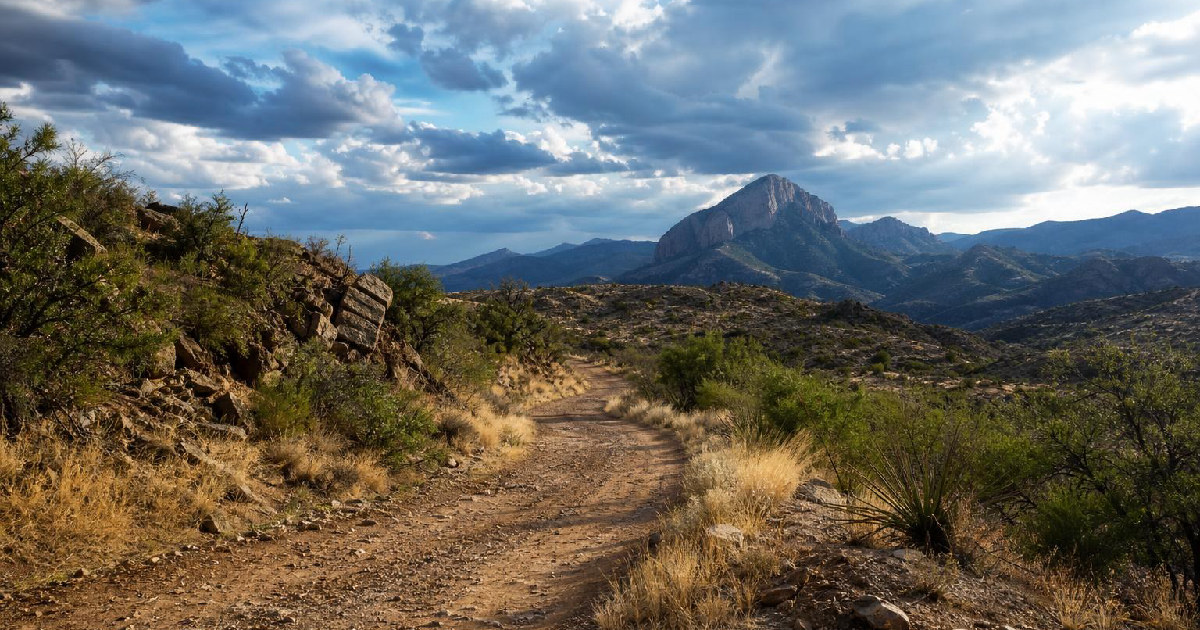
Instead of taking the most obvious entrance, the couple chooses a forest road from the east side near Portal, Arizona, and heads up and over the mountains toward the monument. That choice matters. It turns the approach into part of the experience rather than a simple transfer between points on a map.
The road is rocky, narrow, and lined with low branches, and they are clear about the limitations. Their truck camper is about 12 feet tall, and even then they are weaving carefully between branches. The route is not presented as a general recommendation for larger rigs. In fact, the video makes a point of warning that taller campers, long vehicles, and trailers would be a poor fit, especially if conditions were wet.
That caution gives the whole sequence a real-world feel. This is not a glossy backroad montage. It is a practical drive where clearance matters, the roof needs checking, and the terrain can change the tone of the day in a hurry.
A sky island is more than a scenic label
One of the most useful parts of the video is the explanation of the area as a sky island. Caitlin describes it as a mountain rising out of surrounding desert, like an island ecosystem isolated from other ranges.
That description helps the rest of the trip make sense. The high country has its own mix of water, trees, birds, and wildlife, and the lower desert around it acts almost like a sea. The phrase is memorable because it captures both the geography and the feeling of the place. You are not just climbing into another mountain range. You are moving into a distinct pocket of life that has developed on its own terms.
The result is that even the simple details feel connected: creekside camping, spring water on the hillside, bird calls in the trees, and the surprise of seeing species that feel tied to this isolated environment.
Why the high-country camp felt so quiet
Once they reach the top of the mountain, the atmosphere shifts. The road climbs to over 8,000 feet, and the crew spends time camping and exploring with very few people around. The closed rustic campgrounds mean they settle into woods that feel quiet and spacious rather than crowded or managed.
That quiet is part of the appeal. It is not a staged wilderness moment. It is just the practical result of being high in the mountains, away from the main flow of visitors, with enough space to stop, hike, and watch the light change. The temperature is chilly, the setting feels isolated, and the views make clear why people are drawn to these mountains in the first place.
They also note the terrain’s challenges in a very grounded way: the road down the west side becomes steep, tight, and rough, and the team repeatedly flags how different it would be in wet conditions. The weather later proves the point when rain and thunderstorms turn the road to soup, forcing them to wait for better conditions before moving on.
Birds, a coati, and the small surprises that make the park feel alive
The wildlife moments in the video are modest but memorable because they fit the setting so well. Birders come to the area for a reason, and the creators mention seeing and hearing several species, including a great horned owl, an olive warbler, and a Mexican chickadee. Those sightings are not treated as trivia; they are part of the sense that the high country is biologically distinct and alive in ways that reward attention.
The coati sighting adds another layer. After speaking with visitors and trying to time their hike well, they spot one briefly on the trail near the lower area of the monument. It disappears quickly, which makes the moment feel honest rather than overplayed. The video does not pretend every wildlife encounter turns into a perfect view. Sometimes the reward is just a brief glimpse and the knowledge that you were lucky enough to see it at all.
They also mention a large spider, a snake, cows, and even signs of spring water. None of these are dramatic on their own, but together they reinforce a simple truth about the place: Chiricahua is not a sterile rock garden. It is a living landscape with enough variety to keep surprising people from one turn to the next.
Echo Canyon and Heart of Rocks: the best kind of geology lesson
Once they get into Chiricahua National Monument itself, the focus shifts from road travel to hiking. The choice of trails matters here too. Rather than treating the monument as one overlook after another, they walk through places that let the formations surround them.
Heart of Rocks is the standout for scale and density. The trail is longer, about 7 miles for their loop, but the payoff is the feeling of moving through a field of enormous stone forms. They describe the rocks as changing shape with perspective, which is a useful way to think about the place. From one angle they blend into the hillside; from another, they pop out like towers, fins, and stacked shapes that seem almost impossible until you are right beside them.
The geology explanation is clear without getting bogged down: volcanic ash compressed into rock, then cracked and eroded over time into hoodoos, spires, balanced rocks, and passageways. That process makes the landscape feel even more impressive because the forms are not random ornaments. They are the result of time, structure, and erosion working together in a very specific way.
Echo Canyon offers a shorter, more accessible way to see some of the same character. The Grotto, Big Balanced Rock, and the narrow rock passages give the creators the chance to point out how much can be experienced without committing to the full longer hike. For travelers who want the essence of Chiricahua without the mileage, that matters.
Why the sunset hike changes the scale of the rocks
The final hike at sunset gives the formations a different mood. The light turns orange, shadows lengthen, and the rocks feel even more sculptural. It is not just that the scene is prettier; it is that the light helps reveal how layered and immense the monument really is.
That late-day return to Echo Canyon and the Grotto is a smart way to end the trip. After the longer hike earlier in the day, they still make time for a shorter walk that shows the same landscape in a new register. It confirms that Chiricahua is the kind of place that changes with time of day, weather, and angle of view.
The video closes on a simple but fitting note: this is a place worth the drive, worth the hiking, and worth the extra attention it demands.
What this trip says about visiting Chiricahua well
If there is one useful takeaway here, it is that Chiricahua rewards people who treat the journey as part of the destination. The back road, the weather, the elevation, the camping, the wildlife, and the trails all matter. None of them are separate from the experience.
That is what makes the feature compelling as a travel story. It is not only about a striking monument. It is about the way a remote landscape asks for patience and gives back quiet, variety, and a sense of scale that stays with you.
For travelers planning their own visit, the video suggests a few simple truths: respect the roads, expect the terrain to be real, start hikes early if you want the popular trails, and leave room for the unexpected. Chiricahua is the kind of place where a brief coati sighting, a bird call in the trees, or a sunset on the rock walls can end up mattering just as much as the famous formations.
Watch the original video: https://www.youtube.com/watch?v=0ClJNGRutEg
RECOMMENDATIONS
All About The Life designs from Texas Thread Theory, inspired by the places you go and the stories you bring back.

Worth The Detour
A road-trip-inspired AATL design for scenic routes, mountain drives, back roads, and the unexpected stops that become the best part of the trip.