A weather delay that set the tone
The clearest thing about this Alaskan wilderness float plane fishing trip is that it never pretended to be tidy. Before the crew even got off the ground, wind and fog pushed the departure back. That delay does more than interrupt the schedule; it explains the whole mood of the trip. In a remote place like this, the plan bends around conditions, not the other way around.
Instead of treating that as a setback, the video uses it as part of the rhythm. There’s waiting, unloading, a night spent right outside Sportsman’s Air Service, and then finally a departure once the weather improves enough to go. The trip starts with that kind of realism: if the plane can’t leave, nobody is forcing it.
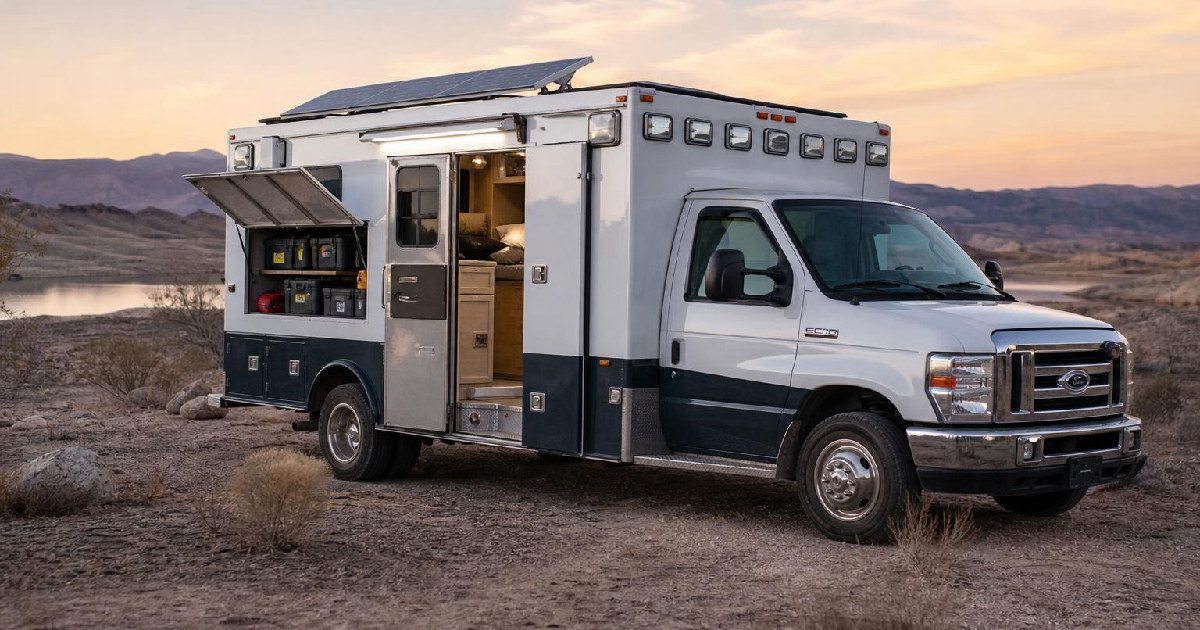
That matters because the setting is the story. This is not a quick day run. It’s a three-day, two-night stay in the Alaskan bush, reached by float plane, with gear packed into an ambulance, then into a smaller aircraft, then into camp. The movement itself tells you what kind of experience this is supposed to be: remote, practical, and dependent on timing.
Fishing the river mouths, from bobbers to poppers
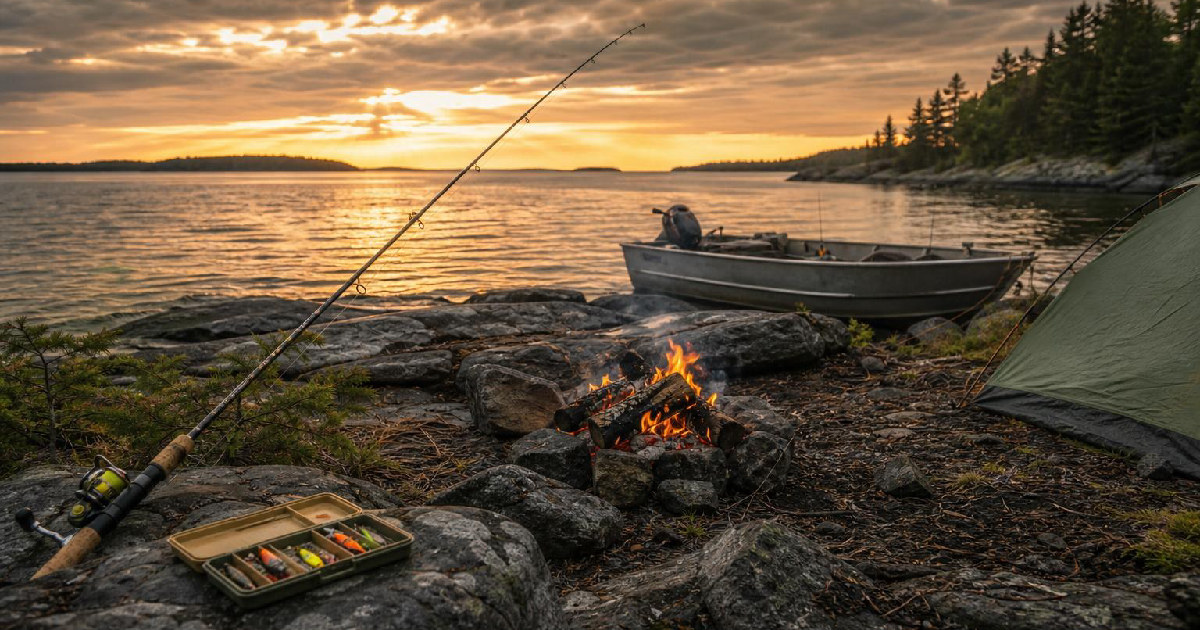
Once camp is set, the trip settles into what it came for: fishing. The days are built around moving between spots, reading water, and taking advantage of where salmon are stacked. The video doesn’t turn into a technical lecture, but it does show a nice spread of methods. There’s bobber fishing, fly fishing, and even topwater work with a pink popper.
That range is part of why the trip feels active instead of repetitive. At one point the fish are thick enough that the boat is working through a hole with multiple hookups. At another, a first cast turns into a fish almost immediately. The fish aren’t just appearances in the background; they shape the route, the pace, and even when the crew decides it’s time to head back and clean what they’ve already caught.
Gear choices come through clearly without the video getting bogged down in a product demo. There’s a short Ugly Stik setup used for salmon, a float rod setup that helps the girlfriend get into fish, and a lighter fly rod that gets pushed hard by stronger fish than it was really built for. That mismatch is part of the fun. The point isn’t perfect gear for every situation. The point is making do with what works and getting a feel for it as the day goes on.
A first salmon trip that turned into a learning day
One of the best parts of the video is how often it pauses on learning instead of performance. The girlfriend’s first salmon ends up being a real milestone, and the trip treats it that way. She’s not just standing on the boat while other people fish; she’s getting coached through hook sets, tension, and how to work a rod without giving up too much line.
That makes the fishing feel more human. There’s some fumbling, some laughter, and a few moments where the crew has to talk through what’s happening in real time. The captain’s role here is not to look effortless but to explain, adjust, and keep the boat moving while everybody else tries to stay connected to the fish.
The video also makes room for a few small wins that matter in camp life: the first salmon kept, the biggest fish of the day, the decision to keep fish that still have good meat and release the darker ones, and the satisfaction of building a freezer haul over two days. None of that feels inflated. It feels like the logic people actually use when they are fishing to eat.
Cleaning, freezing, and cooking what they caught
A remote fishing trip only feels complete once the catch becomes food, and this one leans into that. The salmon are cleaned at camp, broken down into fillets and bellies, and put away in the freezer. That part of the trip gives the whole video a practical center. It’s not just about putting fish on a stringer; it’s about turning a few good days on the water into something that lasts after the trip ends.
The cooking segment extends that idea nicely. Back home, salmon from Alaska becomes lemon garlic butter pasta in stainless steel cookware, then later the camp pantry gets raided for a salmon dinner with rice-a-roni, angel hair pasta, and a mix of leftover seasonings. That combination says a lot about the vibe of the trip: part comfort food, part improvisation, part reward.
There’s also a burger dinner, a fire that runs hot enough to make s’mores tricky, and a general sense that this is what camp life looks like when nobody is in a rush. The food scenes are not filler. They show how the trip moves from catch to table, which is a big reason these Alaska outings feel satisfying even when they include weather delays and mechanical hiccups.
Why the camp mattered as much as the fish
What stands out most is how isolated the place feels without ever turning it into a hardship story. The lodge is remote enough to require a float plane, but organized enough to make the experience comfortable. The crew camps in the ambulance before departure, sleeps at the air service, and then ends up largely alone at the lodge once they’re out there. That emptiness changes the tone. It makes ordinary tasks—breakfast, cleaning fish, starting a fire—feel bigger.
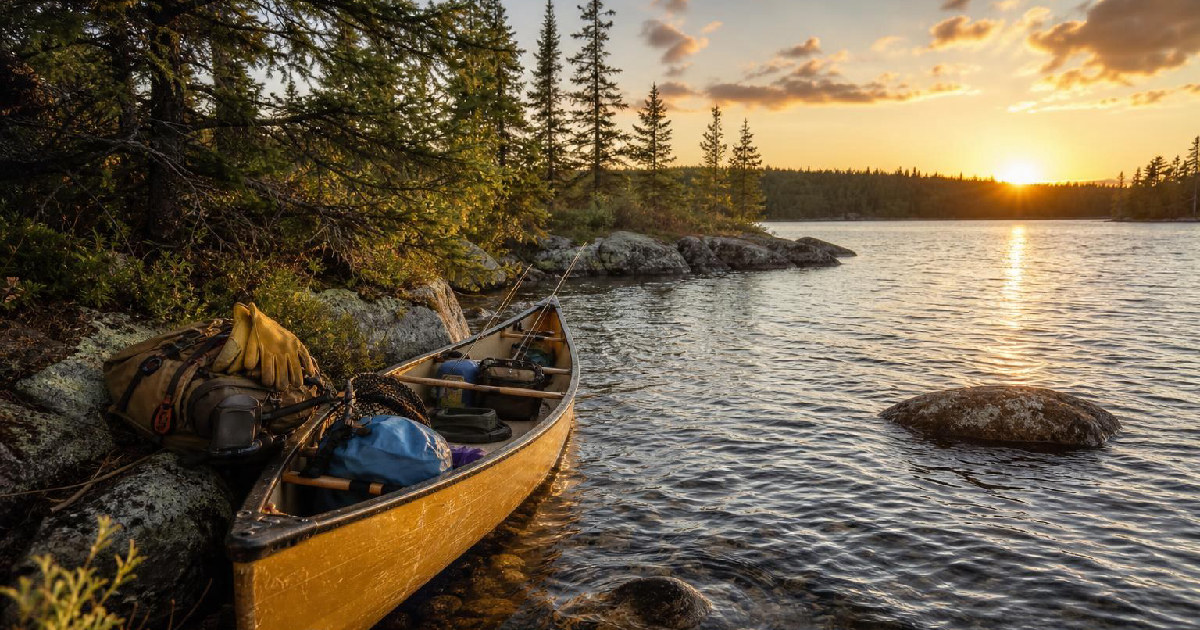
The video also shows something that often gets lost in fishing edits: the environment is part of the reward. The mountains, the long evening light, the stillness around camp, and the way the river mouths keep producing fish all combine into a place that feels worth returning to. The fishing is the engine, but the setting is what gives the trip its memory.
That’s probably why the delay at the start doesn’t feel like a problem by the end. The weather held them up, the motor needed a simple correction, one GoPro seemed cooked, and still the trip delivered exactly what a remote Alaska stay should: fish on the line, food on the fire, and enough room to appreciate how unusual it is to spend a few days that far out.
Watch the original video: https://www.youtube.com/watch?v=5-G_CLAfLCc
RECOMMENDATIONS
All About The Life designs from Texas Thread Theory, inspired by the places you go and the stories you bring back.
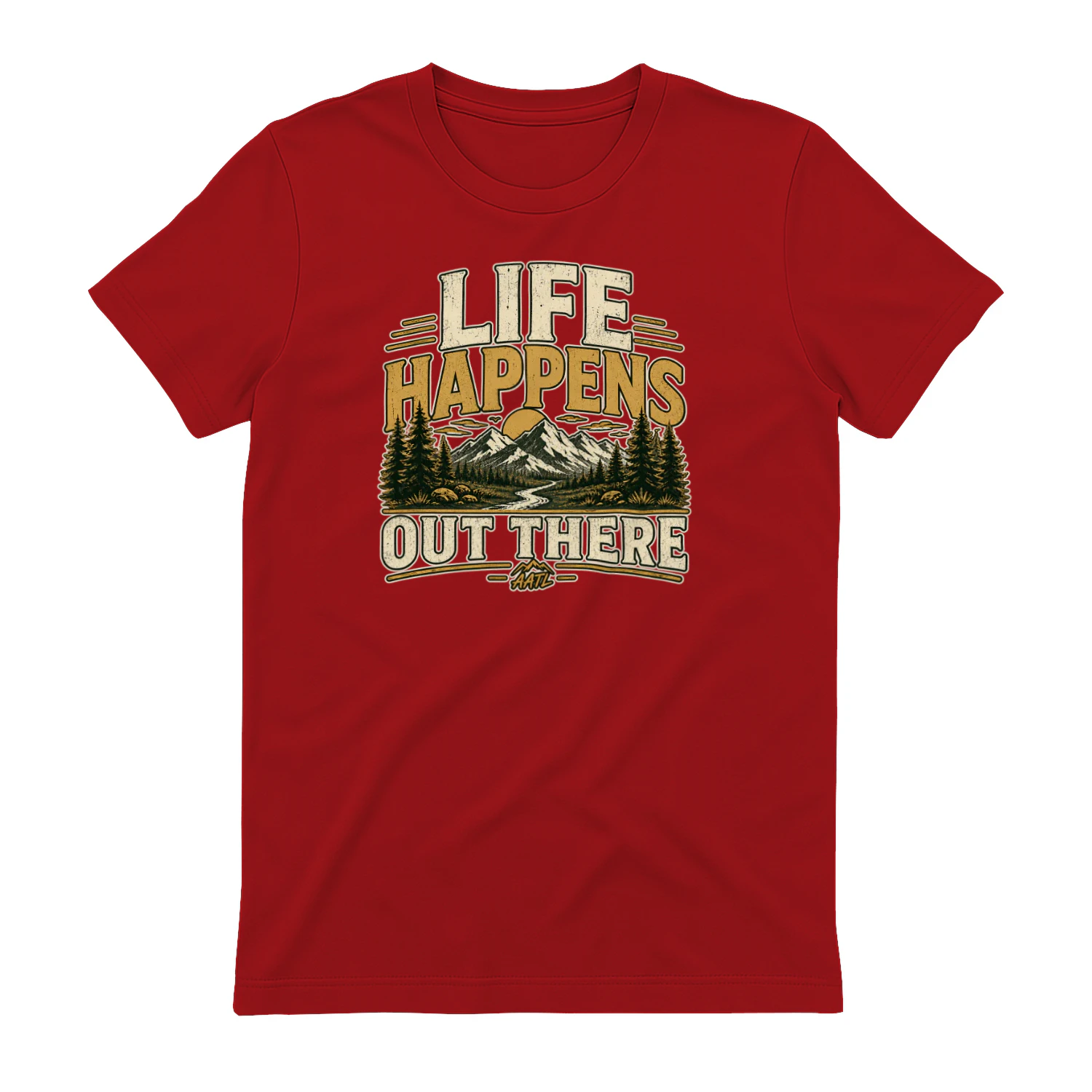
Life Happens Out There
An outdoor-focused AATL design celebrating mountains, forests, hiking, camping, road trips, and the simple idea that life happens when you get out there and explore.