Why the trip feels different from the start
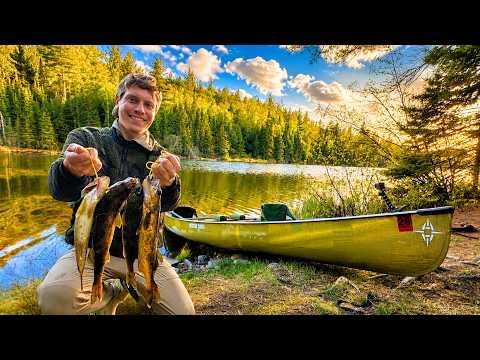
The direct answer to what this video is about is simple: it’s a four-day Boundary Waters camping trip built around canoe travel, portaging, fishing, and cooking what the crew catches. That plain setup is part of why the video works. Nothing here is insulated from the place itself. If the group wants to move, they paddle. If they want to cross land between lakes, they carry everything. If they want dinner, they earn it on the water or from shore.
That gives the trip a steady, practical feel from the beginning. Mav and his buddies are not heading into a campground with easy access and a packed cooler. They’re entering a canoe-only section of the Boundary Waters between Minnesota and Canada, which immediately changes the pace. The truck gets parked, the gear gets shouldered, and the first real job of the week is just reaching camp.
Paddle, portage, and the slow logic of canoe country
A big part of the appeal here is the travel itself. The group is using two canoes, and that means the day unfolds at the speed of paddles, wind, and whatever the route demands. They talk through the rhythm of canoeing, joke about their paddling form, and work their way across water that keeps shifting from open stretches to tighter channels and island clusters.
The portage is where the trip becomes especially Boundary Waters-specific. Gear comes out of the canoes and gets hauled over land, including a longer stretch that they identify as about 120 rods. It’s not framed as a dramatic endurance test, but it does highlight the reality of this kind of trip: the route is part water trail, part foot trail. That mix is what makes canoe country feel unlike ordinary camping. The destination is never just across the lake; sometimes it’s on the other side of a carry.
The crew also runs into a beaver-made bridge and later passes a section with current, which reinforces how alive and changeable this landscape is. Even the names and shapes of the waterways matter. Once they settle on Crocodile Lake, the route itself starts to feel like a chain of decisions: where to paddle next, where to land, where to camp, and where the fish might be.
Setting up camp with what the woods give you
When they finally reach camp, the video shifts from travel to improvisation. The campsite already has the familiar Boundary Waters markers: a Forest Service grate, a latrine trail, and enough space to spread out chairs, tents, and hammocks. But the comfort still has to be built, not assumed.
That’s where the trip’s mood gets especially good. The crew sets up a hammock with an oversized rainfly, lays out chairs, and starts making the place feel like home with what they’ve brought and what they can gather. Firewood becomes its own project. Some of it is fresh enough to be annoying, some of it is better for burning, and all of it has to be cut and split before it can do any useful work.
There’s a nice honesty in how the setup is described. The hammock isn’t presented as some perfect luxury item; it’s just the sleeping system Mav prefers, with a bug net and enough comfort to make a remote night workable. Even the little details, like testing knots and adjusting how tight the hammock hangs, fit the broader tone of the trip: everything matters a little more when you’re out here.
When fishing starts shaping the menu
Fishing is not a side quest in this video. It’s central to the whole rhythm of the trip. The crew starts catching fish right from camp, and that early success changes the energy. Once they realize the fish are around, the water becomes less about scenery and more about dinner.
What stands out most is how close the fishing is to everyday camp life. They are catching walleyes from shore, then heading out by canoe to figure out the bottom, the depth, and where the fish are holding. They note that the water feels soft and mucky in places, that rocks show up near shore, and that the fish seem to want a particular part of the lake. That kind of observation gives the video its practical backbone. They’re not just casting for content; they’re trying to understand the spot well enough to feed the group.
The first fish are small, but the bites build confidence. Later, Mav lands the biggest fish of his trip, and the crew ends up with enough walleye to make dinner. That turns the outing into a real catch-and-cook rather than a symbolic one. They clean the fish, coat the fillets in Cajun seasoning, fry them over the fire, and serve up the kind of shore lunch that feels earned because it is.
The meal is also a reminder that wilderness camping changes your relationship to food. Here, dinner depends on timing, patience, and whether the fish cooperate. When they do, the whole camp benefits.
A quieter second morning and the long way home
By the second and third days, the video settles into a looser camp rhythm. There’s a lot of waiting, nap-taking, firewood work, and experimenting with fishing spots. That slower middle stretch matters because it shows what a multi-day Boundary Waters trip actually feels like once the first excitement passes. It’s not constant action. It’s small tasks, weather checking, gear adjustments, and another decision about whether to fish again.
The mornings are colder than the days, which pushes Mav to adjust his sleep setup with a sleeping pad and warmer clothing. They filter drinking water from the lake, manage their campfire wood, and keep an eye on what’s left for the final meals. At one point, breakfast is biscuits and gravy; at another, the group is still thinking about fried fish from the day before. It’s a good example of how food in camp becomes both fuel and a project.
The end of the trip brings the whole experience back to where it started: gear packed, canoes loaded, and a return paddle to the launch point. That closing stretch doesn’t need much embellishment because the trip has already explained itself. The Boundary Waters has a way of turning simple actions into the day’s main event. Paddle. Carry. Fish. Cook. Repeat.
For anyone curious about what a canoe-only wilderness trip really looks like when it is built around travel and food rather than luxury, this one gives a clear answer without overcomplicating it. The crew earns every mile, every meal, and every comfortable moment in camp.
Watch the original video: https://www.youtube.com/watch?v=AtNk8nWBLD0
RECOMMENDATIONS
All About The Life designs from Texas Thread Theory, inspired by the places you go and the stories you bring back.
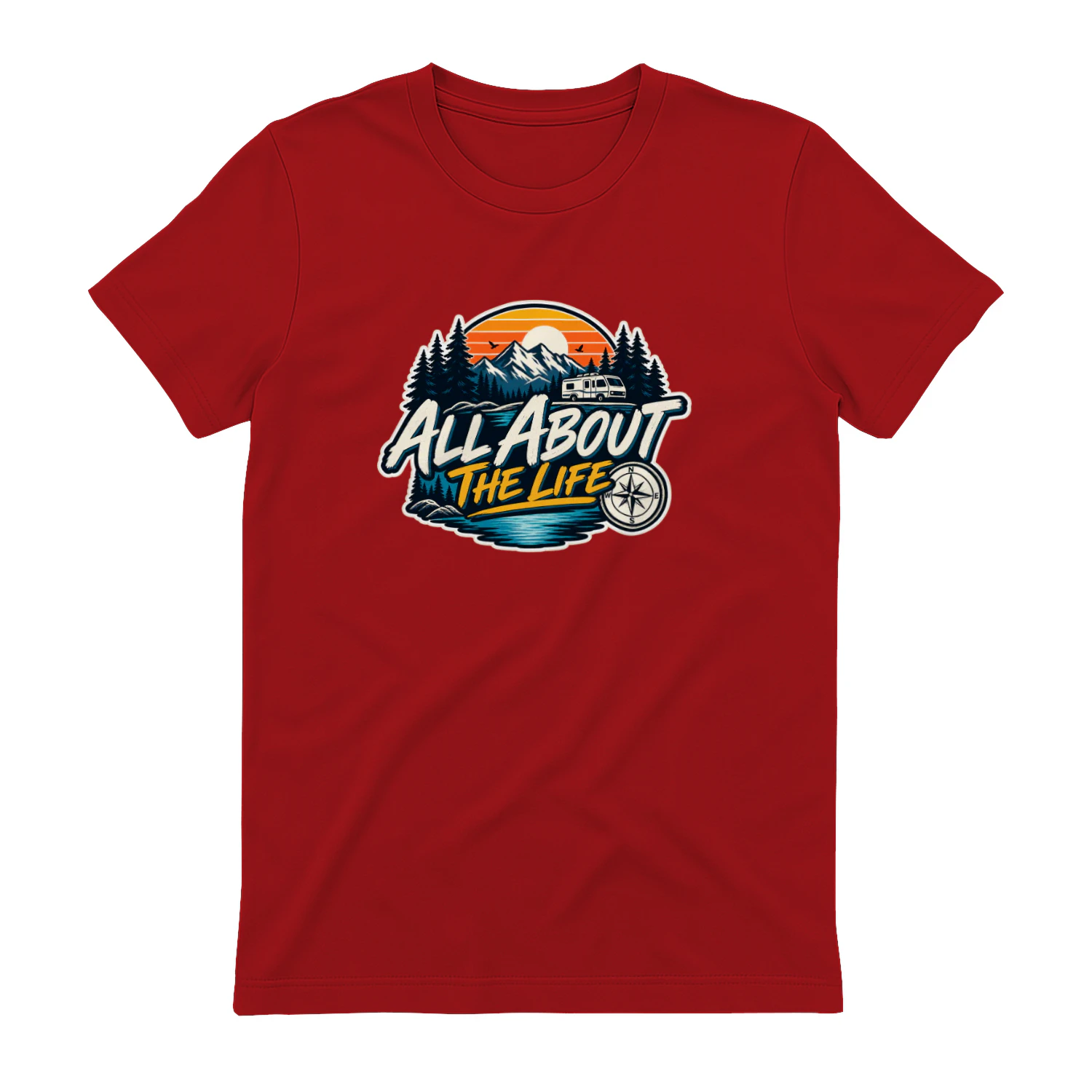
All About The Life Adventure RV Badge
A vintage All About The Life RV adventure badge featuring mountains, pine forests, lake scenery, a glowing sunset, and classic compass details. It’s made for RV travelers, campers, road trippers, and anyone who believes home can be wherever you park for the night.