Why this Ontario run mattered
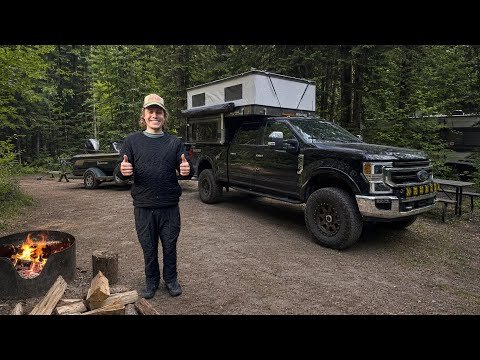
The clearest way to read this trip is as a return to Ontario musky country with a lot of variables in play at once. Mav and Dan are not just fishing; they are sleeping in the back of a pop-up camper, running a fully loaded musky boat, and trying to make sense of a brand-new lake. That combination gives the whole video its shape. It is part fishing trip, part mobile camp, and part problem-solving session.
The direct answer, if you want it up front, is simple: they went to remote Ontario to chase muskies, ended up catching a tiger musky and a smaller musky, picked up pike along the way, and used some of that catch for dinner after the walleye plan did not come together. That is the backbone of the episode, but the interesting part is how much work sits underneath it.
A new lake, a new boat setup, and a lot to figure out
This is not one of those trips where everything feels dialed from the first cast. Mav makes it clear right away that the boat has changed, and not only in appearance. New latches, new plastic cut lids, new flooring, and new electronics all mean the setup is still being learned on the fly. That matters because a fishing day is always easier when the boat disappears into the background. Here, the boat is part of the story.
He also notes a major change in how he is operating it. Instead of working the front of the boat like he has in other musky videos, he is now in the back. That changes the rhythm of the whole day. It means less of the familiar control he is used to and more adjustment as he works lures, watches the water, and tries to keep the trip moving. There is a practical honesty to that shift: sometimes the best gear upgrade is not only about performance, but about how a trip feels to run.
The lake itself is new to them, so there is no map, no history, and no easy shortcut. They are reading shorelines, checking how the water breaks, and trying to piece together where the fish should be. Early on, the classic musky ingredients are there — weeds, points, rock — but the fish are not immediately giving up the story.
When the search shifts from muskies to dinner
One of the more relatable parts of the video is how the goal expands beyond just catching a musky. They are also thinking about walleye for dinner, and that creates a second layer of pressure. A musky trip can be complete without a big fish in the net if the action is good. Dinner is different. Dinner has to happen.
That is why the mid-day switch to walleye rigs feels important. They are reacting to what they are seeing on the fish finder and trying to make use of the information in front of them. Mav rigs a Berkeley PowerBait Bone Fish and goes with a brighter color while Dan fishes a white one. It is a small but useful detail because it shows how quickly the trip moves between targets. They are not locked into one script.
The heat also starts to take over the day. Mav says it is close to 100 degrees, and the video gives that feeling without needing to overstate it. The fishing pace slows, the body language gets heavier, and the break in the middle of the afternoon feels earned. The camp setup becomes part of survival as much as comfort.
The catch that changed the mood
The day does eventually turn on, and the most memorable fish is the tiger musky that Dan hooks after they spot a fish through the electronics and the water around the boat. What makes that catch stand out is not just the size, though Mav calls it a 38-inch fish. It is the way the sequence unfolds. They see something on the screen, then one of them gets a bite, and the fish shows enough life to make the landing feel lively and a little chaotic.
That is one of the strengths of the video: the catch feels earned because the day has already demanded patience. The tiger musky, with its striped look and energetic fight, becomes the first real pivot point. It gives the trip a clear trophy moment without making the whole episode depend on a giant fish.
Mav later lands a smaller musky of his own, which adds to the sense that the trip is working even if it is not delivering nonstop fireworks. He also describes the fish twisting up his leader, which is the kind of detail that reminds you why musky fishing can be so fiddly. These are strong fish with strong teeth, and even a smaller one can create a mess on the way in.
Why the catch-and-cook matters here
The meal is not just a bonus segment. It gives the trip a second finish line. When the walleye do not materialize, Dan cleans pike instead, and the crew turns the fish into fried dinner with potatoes and sandwich fixings. That practical pivot says a lot about the tone of the whole video. The day is not framed as a failure because the original dinner fish never showed up. It is framed as a day that still produced a real meal from the water.
Mav is very direct about the heat, the fatigue, and how much work the day takes out of them. That makes the camp meal feel deserved. There is no glossy food moment here. It is just a hot, tired fishing crew using what they caught. The result sounds simple, but it completes the story in a satisfying way: they came out to fish remote Ontario water and they ate from it too.
What the trip says about fishing remote water
This video works because it treats the trip like a moving target. New lake, new boat layout, new electronics, unfamiliar conditions, hot weather, and two different species goals all compete for attention. Rather than pretending it was effortless, Mav lets the trip stay a little messy. That makes the successful parts feel more believable.
It also reinforces why Ontario has the reputation it does in the video. Mav calls it musky country with real conviction, and the landscape of the day supports that. The water, the weeds, the points, the rock, and the late-day light all suggest a place where a musky can appear when the conditions line up. The fish do not have to be abundant for the trip to feel rich; they just have to be the kind of fish that make you keep casting.
If you are watching for the fishing alone, the tiger musky is the headline. If you are watching for the full experience, the better story is the way the whole day hangs together: a truck camping setup, a difficult lake, a heat-soaked afternoon, a couple of musky catches, and a pike dinner that makes the camp feel complete.
Watch the original video: https://www.youtube.com/watch?v=EbCWhM6RBcY
RECOMMENDATIONS
All About The Life designs from Texas Thread Theory, inspired by the places you go and the stories you bring back.

All About The Life Adventure RV Badge
A vintage All About The Life RV adventure badge featuring mountains, pine forests, lake scenery, a glowing sunset, and classic compass details. It’s made for RV travelers, campers, road trippers, and anyone who believes home can be wherever you park for the night.