Why the phone finds matter more than the pile of river trash
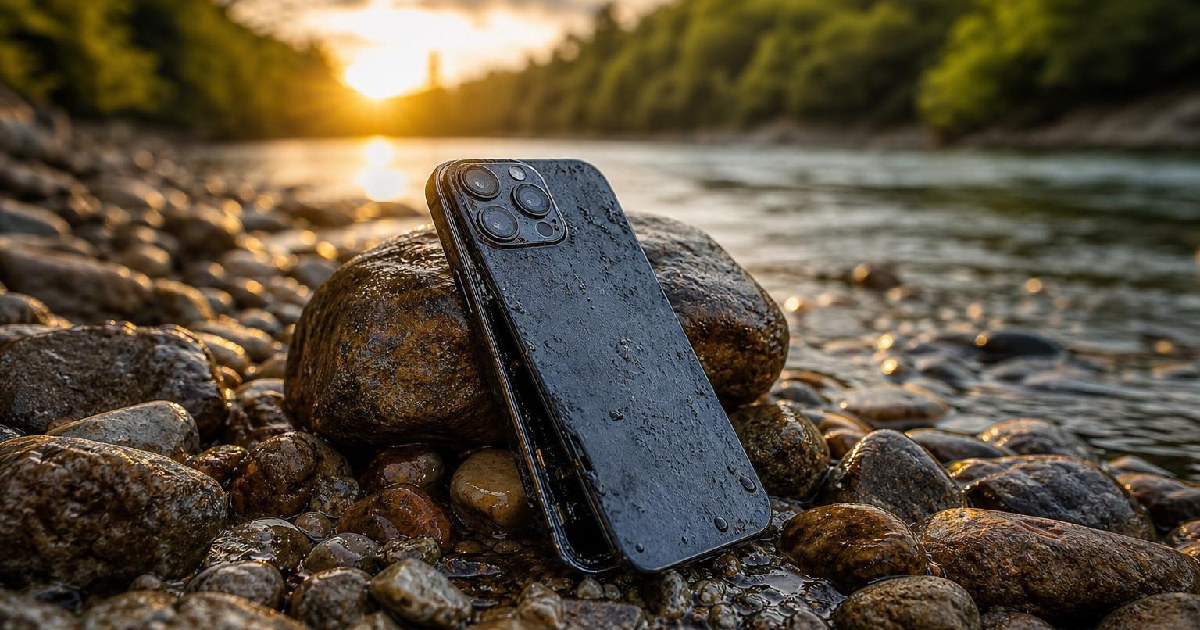
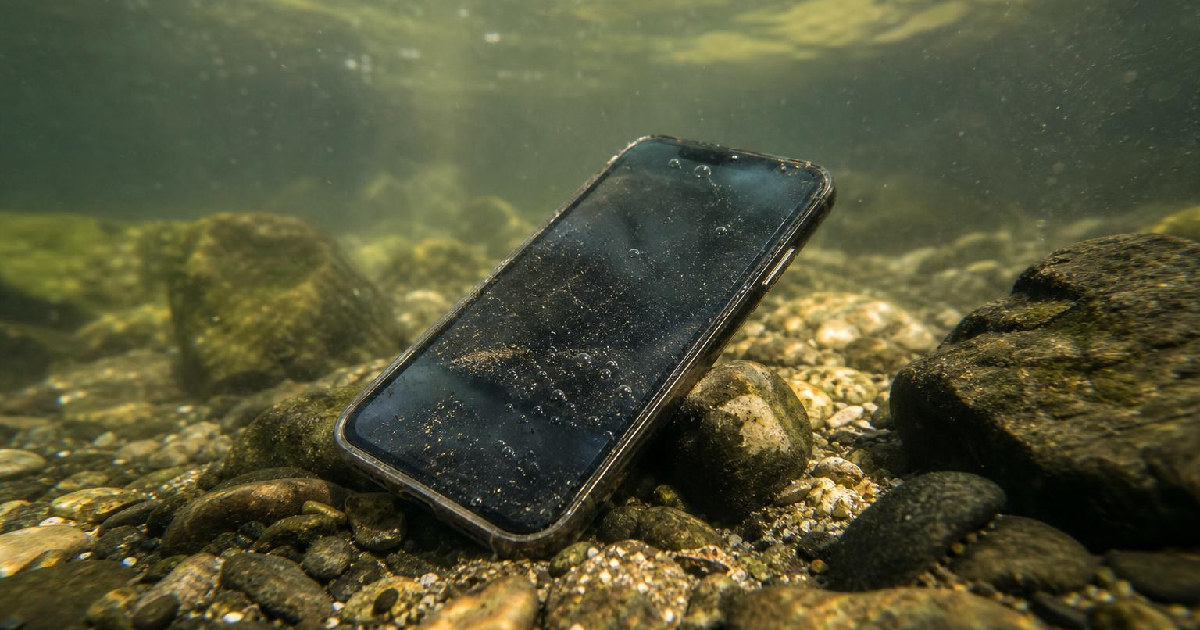
The plain answer is that this returned iPhone from river video follows Man + River as he pulls several phones out of a Texas tubing river and then makes the effort to get them back to their owners. The more useful answer is that the video works because it is not just about finding things underwater. It is about what happens when a treasure hunt turns into a small recovery operation.
That shift changes the whole tone of the piece. Phones are not the same as a pair of sunglasses or a random lighter. They carry messages, photos, contacts, work access, and the daily weight of somebody’s routine. When one survives underwater long enough to be recovered, it stops being a lost object and becomes a thread back to a person who probably assumed it was gone for good.
Man + River frames that idea early by noting that one of the phones already seems promising while another has enough charge to offer hope. That simple detail gives the video a practical edge: if the device can still power on, the search can move from excavation to identification.
The haul: phones, Ray-Bans, a lighter and the usual river clutter
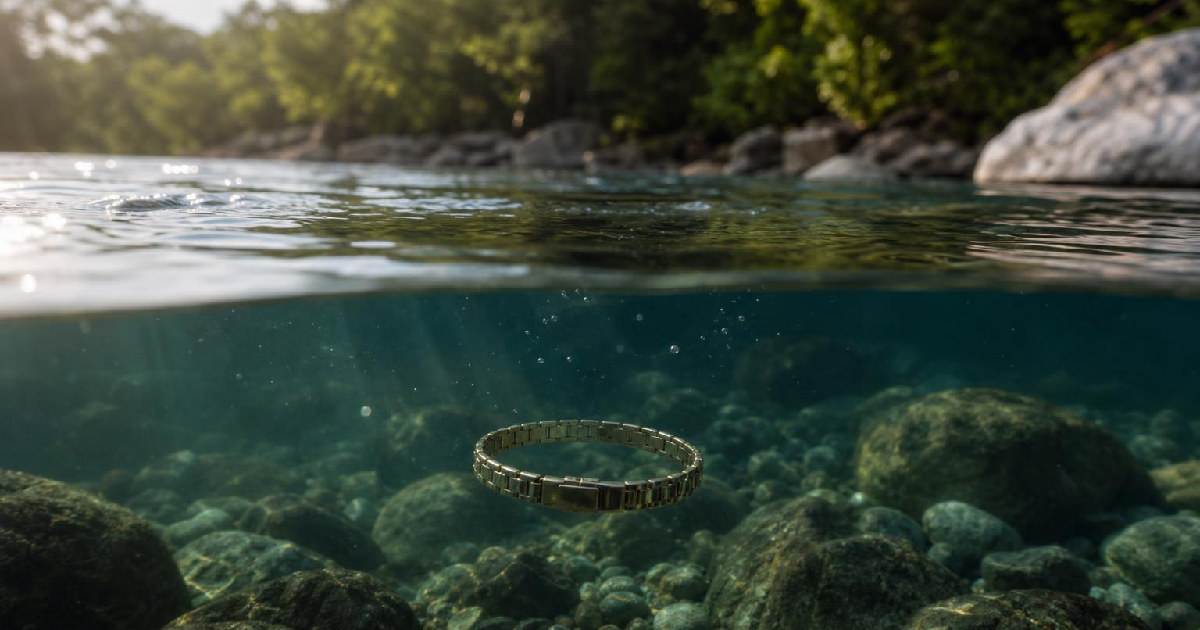
The river itself seems to deliver the kind of mixed bag this channel often shows: useful items, personal items, and a lot of discard. Over the course of the dive, Man + River pulls out four phones in total, along with Ray-Bans, a novelty lighter, rope, a bracelet, and a steady stream of vapes.
The vapes become its own running theme. He even jokes that he has already found around ten of them and asks viewers to guess how many more he’ll pull before the end of the dive. That kind of repetition says a lot without needing a sermon. In a popular tubing area, small disposable items stack up fast, and what starts as a treasure hunt also becomes a cleanup of the everyday mess people leave behind.
The most striking object besides the phones is the battery he spots inside one of them. He pauses on it because it looks ready to swell or fail, and he treats it as one of the more important things to remove. That is a useful reminder that river recovery is not only about the value of the object, but also about getting hazardous material out before it causes a bigger problem.
The rest of the haul has the familiar river-treasure rhythm: some items are interesting because they’re odd, while others matter because they’re recoverable. The Ray-Bans and lighter are the sort of things people expect in a public tubing spot. The phones are the things that make the dive feel personal.
How the recovery turns into owner tracking
Once the dive ends, the work shifts from finding to sorting. Man + River explains that two of the phones do not look very promising, while the others have a better chance of coming back to life. He also notes that he plans to get the numbers from both SIM cards and use that information to contact the owners.
That detail gives the video a concrete structure beyond the underwater footage. He is not just showing off what came up from the bottom; he is showing the process of trying to reconnect each device to a person. It’s a small but important distinction. Anyone can hold up a waterlogged phone and call it a find. The harder part is figuring out whether the phone still works and whether its owner can be reached.
The first call is made to an owner whose phone had been sealed in a pouch and came out completely dry inside it. That matters because it explains why the phone had a real chance of surviving. The owner mentions having a temporary replacement but still being stuck with payments on the original device, which adds a practical layer to the recovery. This is not sentimental in a vague sense; it is a real inconvenience with real financial friction.
Man + River’s approach stays simple: he tells the owner he wishes he had been there sooner, offers to ship the phone back, and keeps the conversation focused on getting the device home.
One phone still has a charge, and that changes everything
The most satisfying part of the video is that at least one phone still comes back to life. After plugging it in, he gets a response right away. That gives the whole hunt a pulse. A dead phone would have still been a find, but a working one turns the recovery into proof that the river didn’t win completely.
He is visibly encouraged by that result, and for good reason. A phone that powers on can give him what he needs to identify the owner and possibly confirm the match more confidently. In other words, the recovery is no longer hypothetical. It becomes actionable.
The second owner call makes that even clearer. He reaches someone who confirms the loss and is willing to meet the next day. That’s the sort of moment the whole video has been building toward: a piece of submerged debris becomes a returned object with a name attached to it.
Meeting the owners puts the whole video into focus
The final return is the one that makes the video feel complete. Man + River meets Stephen, who recognizes the phone immediately and even has the same case. He shows Stephen a short clip of the moment the phone was found, then hands over the device. Stephen’s reaction is calm but clearly personal; the phone is familiar enough that the match feels instant.
A few extra details make that return feel grounded rather than staged. The phone’s screensaver is still visible, the case lines up, and Stephen is wearing Army-related clothing from the time the phone was lost. Man + River thanks him for his service and offers the kind of offhand, human sign-off that suits the moment better than a dramatic speech would.
He also gives Stephen a sticker and a T-shirt, which fits the creator’s style of turning a recovery into a brief in-person exchange rather than just a handoff. The return isn’t treated like a big ceremony. It’s more practical than that, and that makes it feel real.
Why these returns are the real payoff for river treasure hunting
There are plenty of reasons people watch underwater treasure videos: the gear, the suspense, the odd objects, the possibility of a surprise. This one has all of that, but its strongest thread is simpler. A river can swallow something ordinary and make it feel permanent. Pulling it back out is useful. Getting it back to the right person is the part that lingers.
That’s why the underwater iPhone recovery angle matters here. The story isn’t only about a working device, or about a phone found in a river, or even about the cleanup. It’s about what happens after the dive, when the search becomes a short chain of decisions that ends with a stranger getting something back that they had already written off.
For a channel built around river finds, that balance is part of the appeal. The hunt still delivers the fun of discovery, but the follow-through gives the video a cleaner center. The best outcome is not the biggest object. It’s the one that can still be traced, still be charged, and still be handed back.
Watch the original video: https://www.youtube.com/watch?v=GfGrPgKS-SU
RECOMMENDATIONS
All About The Life designs from Texas Thread Theory, inspired by the places you go and the stories you bring back.

Keep Exploring Badge
A vintage outdoor badge centered on one simple message: “Keep Exploring.” With mountains, evergreens, a river, hiking boots, lantern, map, and compass details, it’s made for hikers, campers, travelers, and anyone who is always curious about what’s around the next bend.