Why this river hunt stands out
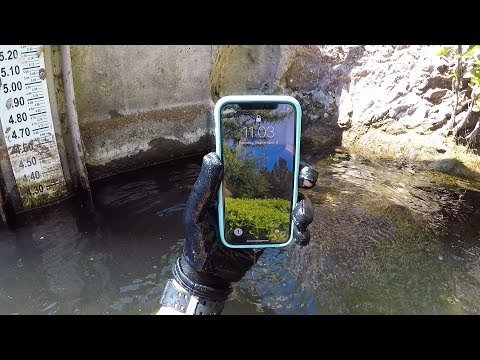
The short answer is that this video is not just about finding odd things at the bottom of a river. It is about how a day of snorkeling turns into a chain of recoveries, with one especially striking result: a working iPhone X that is still on after spending time underwater. That detail gives the whole outing its shape. Plenty of lost items can be collected from a riverbed, but a phone that still powers on changes the tone immediately, because it opens the door to contacting the owner instead of just cataloging the find.
Man + River frames the day as a post-holiday search, with the river offering the kind of unpredictable mix that comes after a busy weekend. The video stays grounded in that premise: people lose things, water hides them, and the job is to look carefully enough to pull useful objects back out. The appeal is partly the hunt itself, but just as much the possibility that something lost can be restored to someone who actually needs it.
The finds that matter most
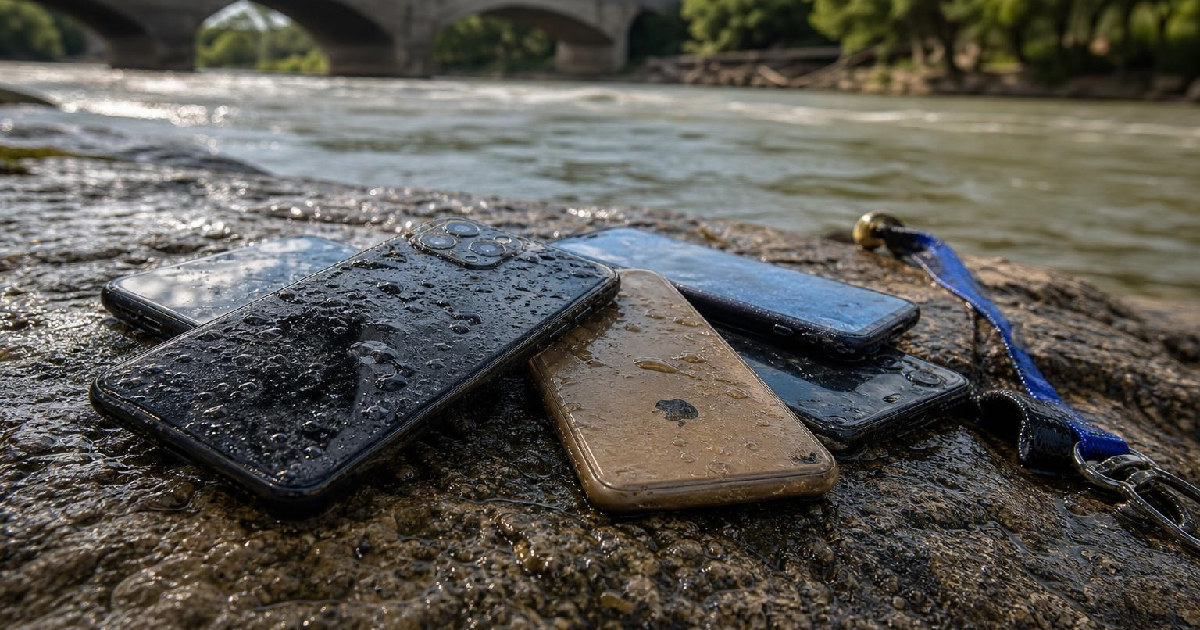
The title mentions three phones, and the video delivers on that in a way that matters for the story. An iPhone 6s, an iPhone 7, and an iPhone X all come into play, but the iPhone X is the one that changes the energy of the search. It is found in a case with water already inside, alarms going off, and only a limited amount of battery left. Even so, it is still functioning, which makes it far more than a soggy piece of electronics.
That contrast is what gives the video its best moment. The river is not treated like a place where objects simply disappear forever. Instead, it becomes a place where timing still matters. If the phone had been down there longer, the outcome might have been very different. Because it was found when it was, there is still a real shot at reconnecting it with the owner.
The other two phones keep the search from feeling singular. Together, they show that this was not a one-off lucky pull but a day where the river was giving up several lost devices at once. That helps explain why these videos work: the finds are interesting on their own, but they also build a broader picture of how much gets dropped, forgotten, or misplaced in and around the water.
A second diver changes the rhythm
One of the quiet strengths of the video is the arrival of Steve, a fellow diver who recognizes Man + River and ends up joining the search. His presence does not change the premise, but it does change the rhythm. Instead of a solitary scan of the riverbed, the outing becomes a shared effort, with two people moving through the water and hoping for something worth surfacing.
Steve also seems to bring a little momentum to the hunt. The working iPhone X is found after he joins in, and Man + River clearly treats that as a lucky turn. The video makes space for that human reaction: not just “look what we found,” but “look what happened once another diver got involved.” It is a simple shift, but it makes the search feel more alive and less mechanical.
How the owner was tracked down
The most useful part of the video is not the discovery itself but the attempt to identify who the phone belongs to. Man + River says he had hoped Find My iPhone would be turned on, because that would have made the process easier. Instead, he takes a more hands-on approach: he removes the SIM card, puts it into an older phone, and looks for the number in the device’s settings.
That is a practical solution, and it suits the kind of feature this is. Nothing about the sequence feels exaggerated or cinematic. It is just a thoughtful workaround, one that turns a wet recovery into a real contact attempt. When the number rings and the owner answers, the video shifts from a find video into a return story.
The call itself is casual and direct. Man + River explains that he found the phone in the river and asks whether the person lost it. The owner confirms it, says it was dropped on Saturday, and reacts with genuine surprise that the phone still works. That reaction is the payoff for the recovery: the object is not only identified, but still usable.
Why the return changes the story
The phone is eventually returned in person, and that is where the video lands its strongest emotional beat. The meetup is simple rather than theatrical. The owner has driven a long way to get the phone back, and the exchange carries the relief that comes with recovering something essential. Phones are personal in a very ordinary way: they hold access, contact, routines, and whatever else a day tends to depend on. The video never has to spell that out; the owner’s response makes it obvious.
What makes this part satisfying is how cleanly it follows from the earlier choices. The river search could have ended at the find, and many videos would stop there. Instead, the process keeps moving until the phone is back with the person who lost it. That gives the whole outing a clearer purpose. It is not just about what was pulled from the water, but about what happened after the pull.
What keeps these videos compelling
There is a reason a river treasure hunt can hold attention even when the items are ordinary on paper. The water turns everyday losses into small mysteries. A lighter, sunglasses, a shirt, a pair of phones, an alarmed iPhone X: none of that sounds dramatic until it is sitting on the riverbed and being lifted back into daylight.
This video also works because it keeps its scope narrow. It does not pretend the river is full of rare artifacts or build a bigger narrative than the footage supports. The interest comes from observation, timing, and follow-through. The phones are interesting because they were found underwater. The iPhone X is especially interesting because it still works. And the return matters because the owner is real, reachable, and relieved.
That combination is what gives Man + River’s search videos their staying power. They are not only about scavenging; they are about the moment when a lost object stops being a loss and becomes a return.
Watch the original video: https://www.youtube.com/watch?v=JuwDItPVWe4
RECOMMENDATIONS
All About The Life designs from Texas Thread Theory, inspired by the places you go and the stories you bring back.

Keep Exploring Badge
A vintage outdoor badge centered on one simple message: “Keep Exploring.” With mountains, evergreens, a river, hiking boots, lantern, map, and compass details, it’s made for hikers, campers, travelers, and anyone who is always curious about what’s around the next bend.