A small clip turns one jump into a search mission
The direct answer to what happens in this video is simple: a bracelet breaks loose in the water, and Man + River goes after it with a freedive search. But the interesting part is not just that he finds it. It is how quickly a small mechanical failure becomes a problem with depth, visibility, and timing attached to it.
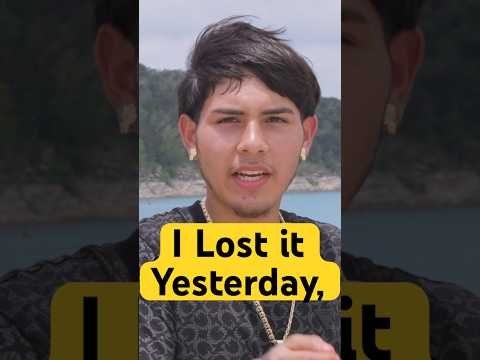
According to the searcher’s explanation, the bracelet had been worn during a jump, and the clip gave way as soon as he hit the water. That left him with a rough starting point and a narrow window to work from. He knows the bracelet is somewhere below, but not exactly where, and that uncertainty is what makes the rest of the effort feel so focused.
The search is shaped by depth, visibility, and one risky ledge
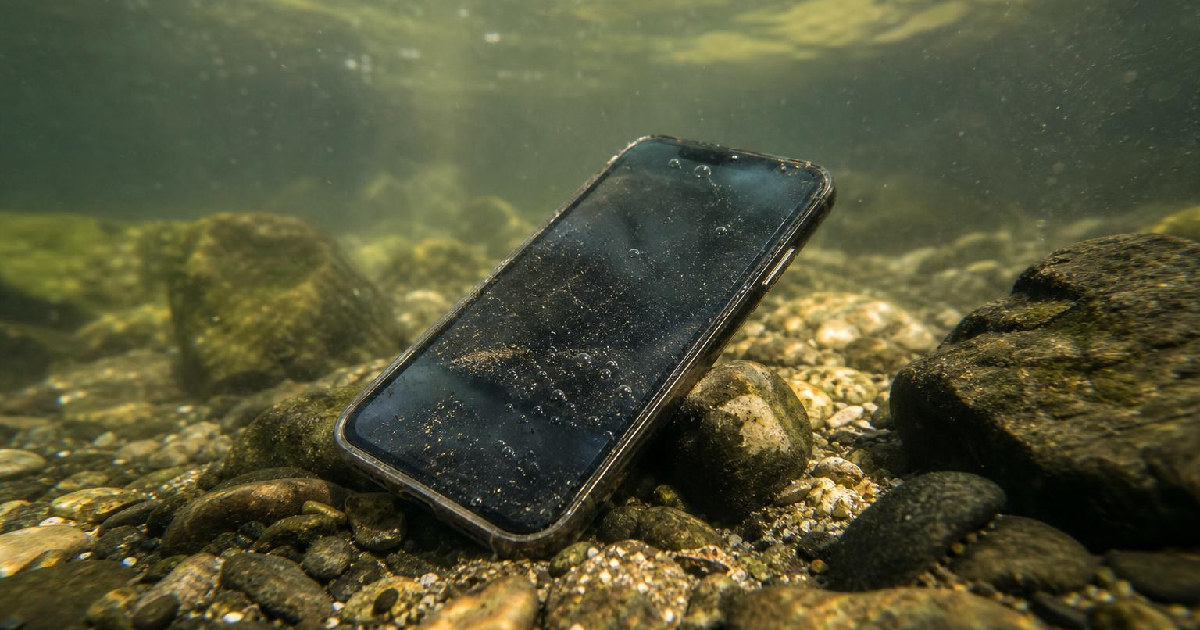
This is not the kind of recovery where the answer sits right under the surface. The video makes clear that the bracelet is somewhere deeper down, near a ledge, and the searcher has to read the space as he goes. He looks straight down, spots the drop, and begins checking the area layer by layer.
He also puts a hard limit on the effort: on one breath, he says he can only get to about 30 feet. That matters because it frames the entire search. This is not an open-ended dive with room for trial and error. It is a narrow dive window where each descent has to count.
At about 25 feet, he still has not seen the bracelet, and that is the point where the tone shifts. The search is no longer casual. He is deep enough to feel the pressure of missing it, but still close enough to keep trying. The ledge matters here because it creates a second layer to the hunt: if the bracelet dropped past the first visible area, then the answer may be sitting just beyond the first sweep.
Finding the bracelet becomes a matter of timing on the way up
The best part of the search is that the bracelet is not found in the most obvious moment. He does not spot it while descending with certainty and then simply reach over and take it. Instead, he sees something on the way back up, which changes the rhythm of the dive.
That detail gives the recovery a very human shape. He is already returning when his eyes catch what he needs, and that tiny moment of recognition turns into the payoff. He has to trust what he saw, adjust, and go back for it. The video keeps the focus on that last approach, where the target goes from a possible sighting to a confirmed find.
There is no long build-up or complicated rescue setup. The drama comes from the fact that the bracelet is small, the water is deep enough to matter, and the searcher has only one breath to make the trip count. Once he closes in, he knows he has it, and the search ends with the kind of relief that only makes sense after a few stressful dives.
The handoff is the real payoff
The recovery itself is only part of why the clip lands. The better payoff is what happens when the bracelet is handed back. The owner’s reaction is immediate and plain: he gets his bracelet back, and the lesson arrives at the same time.
The exchange is not dressed up as anything grand. It is a short, amused moment where the owner acknowledges what went wrong and says what he has learned: not to wear jewelry when jumping into the water. That line is the cleanest possible ending because it turns the recovery into a practical reminder instead of a victory lap.
The searcher, meanwhile, treats the return as the satisfying end to a job well done. He describes it as one of the best parts of his work, which makes sense in a video like this. There is a clear object, a clear problem, and a clear resolution. The bracelet goes from lost to found, and the person who lost it gets a second chance to think twice before making the same mistake.
Why the video works as a recovery story
What makes this clip effective is its scale. It is not trying to be a sprawling expedition or a dramatic rescue. It is a tight, documentable problem: a bracelet snaps off, sinks out of easy reach, and someone with freediving ability goes looking for it.
That simplicity gives the story its shape. The viewer can follow the logic without needing extra explanation. A rough location becomes a descent. A descent becomes a search across depth. A search becomes a sighting. And a sighting becomes a return.
It also helps that the video keeps its focus on the physical challenge instead of dressing the moment up with excess commentary. The ledge, the 30-foot limit, and the sighting on the way up are enough to create tension on their own. The result is a small but satisfying recovery story built from ordinary bad luck and a very specific kind of skill.
For readers who like underwater searches, lost-item recovery, or short-form adventure clips with a clean payoff, this is exactly the kind of story that works because it stays grounded. One mistake led to a missing bracelet. One freedive brought it back.
Watch the original video: https://www.youtube.com/watch?v=D6Qh0-tLxcA
RECOMMENDATIONS
All About The Life designs from Texas Thread Theory, inspired by the places you go and the stories you bring back.
Make A Story Worth Telling
A scenic vintage-inspired design that encourages you to “Make A Story Worth Telling.” Mountains, water, sunset, and tropical details give it an adventurous feel that’s perfect for travelers, explorers, and anyone who wants a life filled with moments worth remembering.