How a river recovery starts with a cracked, waterlogged phone
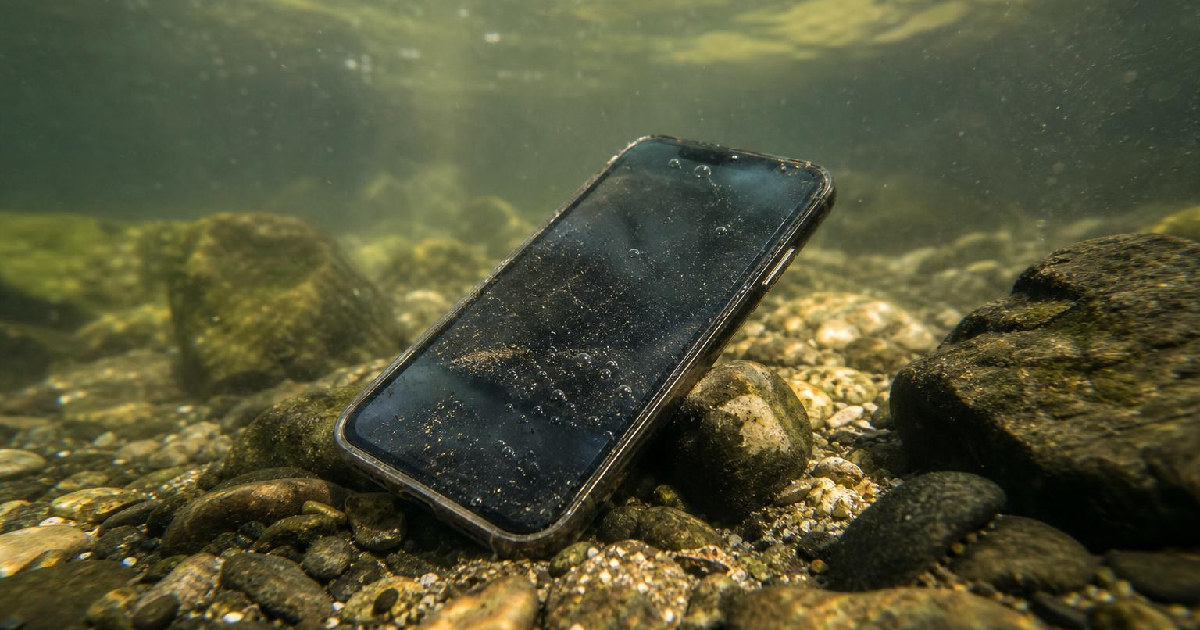
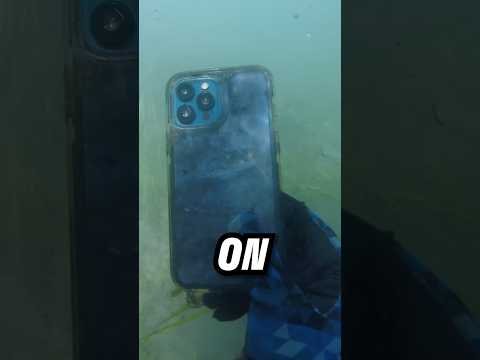
The short answer is that this video is about a lost phone that refused to stay lost for long. Man + River finds an iPhone 13 underwater during a dive, notices the cracked lens and the moisture trapped inside, and decides to see if it can be brought back to life. That choice gives the whole video its shape: not just a cool river find, but a quick, hands-on recovery attempt that turns into a successful return.
What makes the story work is how ordinary the tools and steps are. There is no big recovery setup or complicated investigation. Instead, the video centers on patience, a little luck, and a willingness to try the obvious fix before giving up on the device completely.
The simple drying attempt that made the phone usable again
Once the phone is out of the river, the next move is to dry it out and test it anyway. The creator uses silica gel beads to help pull moisture from the device, then tries plugging it in to see whether it will wake up. That moment carries the tension in the video because the phone looks rough enough that a failure would not be surprising.
But it works. The phone powers on, and that changes everything. A dead underwater find becomes a device with a chance to identify its owner and get back to the person who lost it. The satisfaction here is not just that the phone turns on. It is that the recovery stays practical and focused the whole time. There is no dramatic reinvention of the process; the result comes from trying the simplest sensible thing first.
Pulling the owner’s number from the SIM card
Once the phone is working, the next question is obvious: who does it belong to? The video answers that by using the SIM card to get a phone number. That detail matters because it keeps the recovery grounded in something viewers can follow immediately. The phone is not just found; it is traced back through the most direct possible clue.
After the number is recovered, the creator reaches out and gets in touch with the owner. The conversation that follows confirms that the phone has been found and is already on its way toward being returned. It is a clean, efficient bit of problem-solving, and that efficiency is part of why the story lands. The phone did not disappear into some vague mystery. It got a route back to its person.
Why the BMW keys detail adds a little extra mystery
There is a brief side note in the video about BMW keys, which adds a bit of unexpected texture to the search. The owner asks whether those were found too, and the creator checks the items he has pulled up. They are not BMW keys, and the answer stays simple: no, those are not the ones.
It is a small moment, but it makes the recovery feel more like a real-world lost-and-found exchange and less like a scripted success story. People lose more than one thing at a time. Conversations around a found phone can open into other missing items, other questions, and other hopes. The video does not force that into a bigger plot; it just lets the exchange happen naturally.
The handoff and the surprise that followed
The story does not end when the phone is identified. After the shipment back to the owner, the video reveals a surprise in return. The owner is so happy to have the phone back that he offers a free first haircut in Conro, Texas as thanks.
That response gives the video its warmest finish. The return is not treated as a transaction so much as a neighborly favor answered with another kind gesture. The owner’s reaction shows real relief, and that is what viewers remember: not just that the phone survived the river, but that it made its way back to someone who clearly did not expect to see it again.
The surprise also keeps the video from becoming too neat in a generic way. The reward is personal and specific rather than flashy. It feels like the kind of thank-you that comes from someone who genuinely appreciates the effort.
What makes this a satisfying kind of rescue story
There is a reason this kind of video works. It does not rely on a huge cast, a complicated challenge, or a long build-up. It starts with an object that should probably be done for, follows a simple attempt to revive it, and ends with a human connection that makes the whole effort feel worthwhile.
A video about finding a phone underwater could have stayed at the level of an interesting dive find. Instead, it becomes a small rescue story with a clear beginning, middle, and end:
- a damaged iPhone 13 comes out of the river,
- the phone is dried and tested,
- the owner is tracked down through the SIM card,
- and the return leads to a grateful response.
That structure is why the episode feels satisfying without needing to be overstated. It is practical, short on drama, and grounded in a real payoff.
For viewers, the appeal is probably not mystery so much as competence. The creator sees a problem, tries the obvious fix, finds the contact information, and closes the loop. The result is a small but complete story, one that is easy to follow and easy to appreciate.
Watch the original video: https://www.youtube.com/watch?v=bqpyrEYlTL4
RECOMMENDATIONS
All About The Life designs from Texas Thread Theory, inspired by the places you go and the stories you bring back.

Keep Exploring Badge
A vintage outdoor badge centered on one simple message: “Keep Exploring.” With mountains, evergreens, a river, hiking boots, lantern, map, and compass details, it’s made for hikers, campers, travelers, and anyone who is always curious about what’s around the next bend.