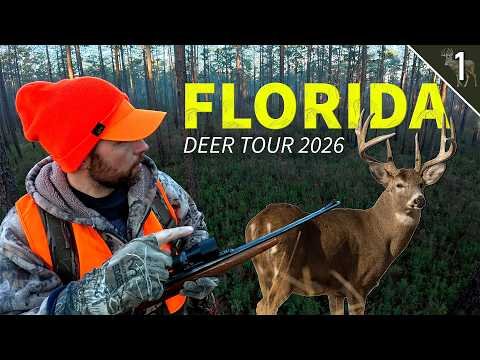
Florida deer hunting starts with the rules, not the trees
Florida public land deer hunting has its own rhythm, and this trip is a good reminder that the hunt begins long before anyone worries about a stand tree or a track in the dirt. The crew’s travel problems were part of the story, but the more useful takeaway is simpler: if you are hunting Florida, you need to know the season structure, the hunting zone you are in, and whether the WMA you plan to enter has its own rules.
That matters because Florida does not run on one flat deer calendar. The Florida Fish and Wildlife Conservation Commission publishes deer season dates by hunting zone, and WMAs can follow separate season rules. If you are trying to make sense of Florida deer hunting on public land, that is the first filter. Habits built in other states do not always carry over cleanly here.
The video’s value is that it shows what happens after that paperwork check: you still have to read the ground.
FWC season zones and why WMA rules can differ
Florida deer season rules are one of those things worth checking twice, especially if you are moving between public parcels. A hunter can be in the same general part of the state and still run into different timing or access rules depending on the zone and the specific WMA. That is why a quick map glance is not enough.
The same goes for scouting assumptions. A parcel that looks like “just another Florida woods spot” may play very differently once you know the dates, pressure and access system around it. This hunt kept circling back to that idea: the land only starts making sense when the rules and the habitat are viewed together.
What the habitat is telling you once you get off the road
The first scouting passes in the video are less about drama and more about calibration. The hunters move from road edges into a setting that looks nothing like broad northern timber. It is thick, tight and visually busy, with pine cover dominating large stretches and the occasional hardwood pocket breaking things up.
That is the part of Florida public land deer hunting that can surprise people who are used to cleaner sightlines. Deer are still looking for the same essentials, but the way they use cover changes the whole feel of the hunt. You are not reading giant openings and distant travel corridors as much as you are piecing together small, usable edges.
Pine thickets, hardwood drains and the security cover deer use
The strongest habitat clue in the video is the transition between dense pine cover and lower, thicker drain country. That edge keeps showing up as a place where deer feel comfortable moving, bedding and slipping from one pocket to another.
The crew also talks through the difference between the more open understory in one area and the tighter, more crowded pines in another. That matters. In Florida, a little change in burn history, understory density or drain structure can completely change how easy it is for deer to move through a spot. A place that looks “deer-y” at first glance may be too closed off to hunt well, while a nearby drain edge can suddenly look like a much better travel lane.
Why small oaks, scrapes and rub lines matter more than they first look
The oaks in this hunt are not the kind that overwhelm a map with obvious food sign. Some are small, some look old, and the acorn picture is uneven enough that the hunters keep questioning whether they are seeing a true feeding area or just a place deer pass through.
That is a useful reminder for Florida deer hunting on public land. Food still matters, but not every oak flat carries the same weight. In this kind of cover, a small pocket of acorns, a scrape, or a rubbed sapling can matter more than a broad “there are oaks here” label. The video keeps returning to those little indicators because they help separate real deer use from dead-looking habitat.
The scouting clues that were actually worth chasing
The hunt gets more interesting once the camera stops treating every glance as the main event and starts narrowing in on sign. The hunters bump deer, find beds, note tracks, and eventually keep coming back to the same kinds of features: drain edges, fresh rubs, and narrow travel routes through thick cover.
That kind of sign can be easy to miss if you are expecting a more open public-land pattern. But in Florida, where the landscape can feel like a wall of pine and brush, the small evidence often tells you more than a big scenic overlook ever will.
Beds, trails, fresh rubs and where deer kept showing themselves
Several spots in the video produce the same general message. Deer are using the thick stuff. Beds show up in cover. Trails are tight. Rubs appear where the cover funnels movement. And the deer themselves often do not give much warning before they are there.
That last part is worth remembering. In this kind of habitat, a deer can be close before you have a clear view. The video shows how quickly an ordinary walk can turn into an encounter when the cover is dense enough to hide movement until the last second.
Why food alone did not explain the first spots
The first areas the crew checks do not fully add up as feeding locations, even though acorns are present. That is an important distinction. A place can have oaks and still not be the place deer are leaning on that day.
Instead, the better read comes from pairing sign with structure. Are there beds nearby? Are there rubs on the edge of a drain? Are there narrow trails entering and leaving thick bedding cover? Those are the questions that help turn Florida public land into a huntable map instead of a guess.
How travel problems changed the hunt without changing the plan
The travel chaos in this video is memorable, but it is not really the point. The point is how the group adapted. Delayed arrivals, lost gear and a missing bag full of hunting essentials could have turned the trip into a total reset. Instead, they kept making scouting decisions, kept comparing spots and kept narrowing their focus.
That is part of what makes a companion article like this more useful than a straight recap. The hunt becomes a case study in decision-making under bad conditions.
Lost gear, late arrivals and adjusting with less than ideal setup
The crew has to keep working with what is available, which changes the pace of the hunt. They are making calls without the full setup, juggling travel issues and still trying to read deer movement well enough to find a usable spot.
That sort of adjustment is common on public land trips, even when the weather is normal. The difference here is that the travel mess just made the limits more obvious. Good scouting still matters, but flexibility matters too.
What this trip suggests for anyone hunting Florida public land
If there is one practical lesson from this hunt, it is that Florida deer hunting rewards hunters who trust the edge instead of the obvious. Not the prettiest flat. Not the biggest patch of timber. The edge where thick pine, drain country, rubs, beds and occasional food pockets line up.
For anyone heading into a Florida WMA, the best first step is still the boring one: confirm the zone, confirm the WMA rules and make sure your dates line up with the current deer seasons. After that, spend your time looking for the kind of cover deer actually use to stay hidden and move safely.
Sometimes that means committing to a drain edge a little longer. Sometimes it means leaving a spot that looks promising on paper but does not show the kind of fresh sign you want. Florida gives you enough thickness to get fooled. The good hunters are the ones who know when the sign says stay and when it says move on.
Watch the original video here: https://www.youtube.com/watch?v=3gLKhlfe9ig
RECOMMENDATIONS
All About The Life designs from Texas Thread Theory, inspired by the places you go and the stories you bring back.
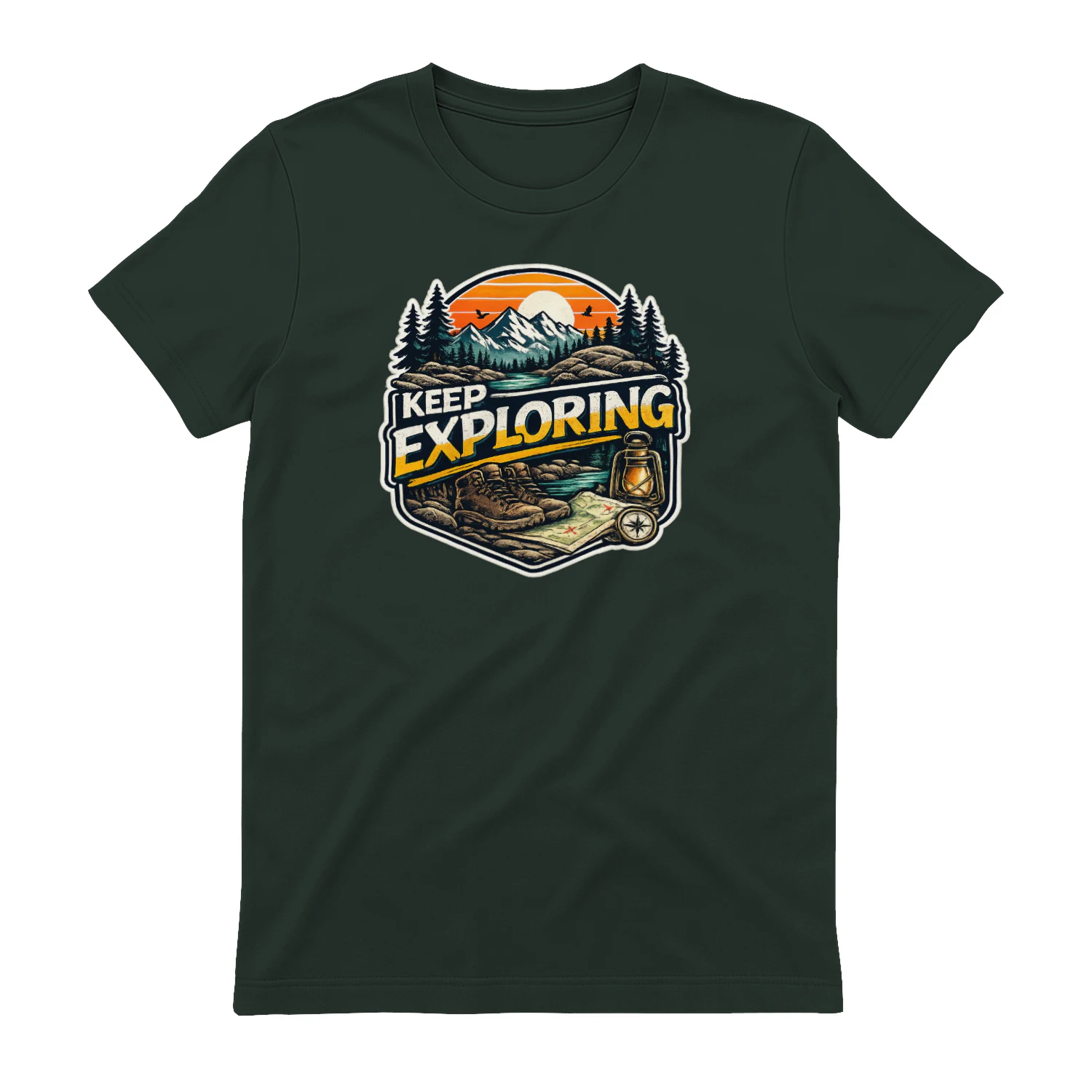
Keep Exploring Badge
A vintage outdoor badge centered on one simple message: “Keep Exploring.” With mountains, evergreens, a river, hiking boots, lantern, map, and compass details, it’s made for hikers, campers, travelers, and anyone who is always curious about what’s around the next bend.