Why this canal spot mattered immediately
The plain answer is that magnet fishing in the river in this video becomes interesting almost at once because the team lands on a sheltered canal area and starts pulling out unusual things from the very first cast. The better answer is that the location itself does a lot of the storytelling. This is not presented as a carefully planned expedition to a pristine stretch of water. It is a rainy-day decision, made because the bridge gives cover and the canal looks like the kind of place where people might dump things and move on.
That setup matters. Bondi Treasure Hunter frames the area as the sort of “dodgy” spot that invites curiosity. Cars can pull in nearby, the water runs right alongside the access point, and the bridge creates the kind of hidden pocket that can collect whatever gets thrown, dropped, or pushed in. The whole session grows out of that mix of shelter, convenience, and suspicion.
What makes the video compelling is that the hunt does not need a long warm-up. The canal already feels loaded with possibility before anything is found. Once the magnet starts moving, the spot quickly proves that it has a story of its own.
The first cast changes the whole hunt
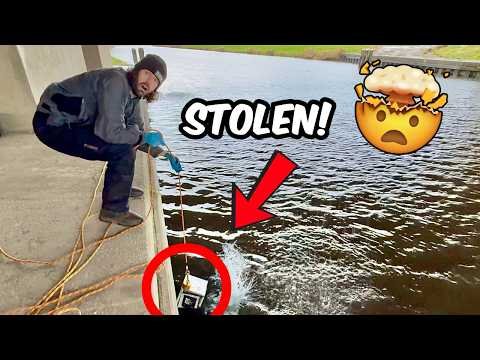
The first major find is the one that resets the mood: a safe appears almost immediately. That is the kind of result magnet fishers hope for but rarely get right away, and the video treats it like a genuine shock. The safe looks relatively recent, and that detail shapes the rest of the search. If one safe has been dumped there, then maybe there is another. Maybe there are more items sitting nearby, waiting just beyond the next pull.
The safe is opened on camera, but the reveal is intentionally modest rather than dramatic. There is a shelf inside and not much else. A key-like item turns up, but it is not for the safe itself. The result is less about treasure in the everyday sense and more about evidence that the canal has been used as a dumping ground. The box is the headline; the emptiness inside is part of the point.
That contrast gives the video its shape. A safe sounds like the ultimate magnet-fishing score, but here it becomes the beginning of the hunt, not the end of it. It suggests theft, disposal, or at least some kind of rushed concealment, but the creator does not push the idea beyond what the spot shows. He stays with the material evidence: the safe, the access point, and the sense that more could still be down there.
Why the walls became part of the story
A lot of the session is defined by one recurring problem: the magnet keeps finding the wall.
That sounds simple, but it becomes a real part of the video’s rhythm. The bridge area has metal surfaces that catch the magnet, yank it off course, or pin it in place. Instead of a clean cast-and-retrieve routine, the hunt turns into a constant battle against the structure itself. Bondi Treasure Hunter keeps having to rip the magnet free, adjust his angle, and try again.
That struggle is useful because it shows how magnet fishing is never just about what is in the water. It is also about reading the environment. In this case, the walls complicate everything. They can hide finds, hold the magnet, and make it hard to work the edge properly. When he starts dragging from different angles, it feels less like random casting and more like problem-solving.
The wall snags also help explain why the safe feels so surprising. If the magnet is repeatedly drawn toward the bridge structure, then a big find in the open channel carries extra weight. It is not simply luck; it is the result of working around a difficult setup until something solid comes free.
The other finds that filled out the session
Once the safe has been recovered, the hunt starts to build a picture of the canal as a place where all kinds of material have settled.
There is construction debris, which fits the setting and the recent-looking condition of some of the scraps. There is a crusty pole, a bolt, bits of metal packing tape, and other pieces that feel like the leftovers of worksites or maintenance. None of it is glamorous, but together it suggests an area that catches a lot of stray material.
Then the finds get more interesting again. A canister of Happy Gas turns up, and Bondi Treasure Hunter makes a point of noting that this kind of item is no longer treated the same way it once was. The canister adds a layer of modern mess to the canal: not treasure, exactly, but something that says people have been using the spot and leaving things behind.
There is also a small amount of cash, which briefly raises the possibility that the safe might have contained something more valuable. That tiny find matters because it keeps the session from flattening into pure junk collecting. It gives the hunt a flicker of possibility before the canal shifts back into heavier, stranger items.
Later, the video leans into the physical side of the hobby even more. A fishing lure gets caught in the rope, an old saw comes up crusted and unusable-looking, and the search eventually produces a shopping trolley-like load that is too heavy and awkward to handle in one go. That final section is almost comic in how much effort it demands. The magnet fishing has moved beyond curiosity into brute-force recovery.
What this kind of magnet fishing shows about the canal
The most interesting thing about the video is not that a safe was found. It is what the safe does to the rest of the session.
It turns a rainy stop under a bridge into a kind of field test for the canal itself. Is this a clean stretch of water with a few random scraps, or is it a place where heavier things have been dumped and then left to sit? The finds point toward the second answer. The safe, the canisters, the metal fragments, the tools, and the trolley all suggest repeated human use rather than one isolated drop.
That is why the hunt feels active even when the magnet comes back empty. The creator keeps working the same section from different angles because the first cast has already told him the water is worth reading carefully. A place that gives up a safe once can still be hiding more. A place that keeps producing wall snags can still be holding something just beyond reach.
By the end, the video lands on a simple but satisfying truth about this kind of treasure hunting: the reward is part discovery and part interpretation. You are not just pulling objects out of a canal. You are trying to understand what the canal has been used for, what it has swallowed, and what kind of story the next cast might continue.
Watch the original video: https://www.youtube.com/watch?v=tWakZ9qqvm0
RECOMMENDATIONS
All About The Life designs from Texas Thread Theory, inspired by the places you go and the stories you bring back.
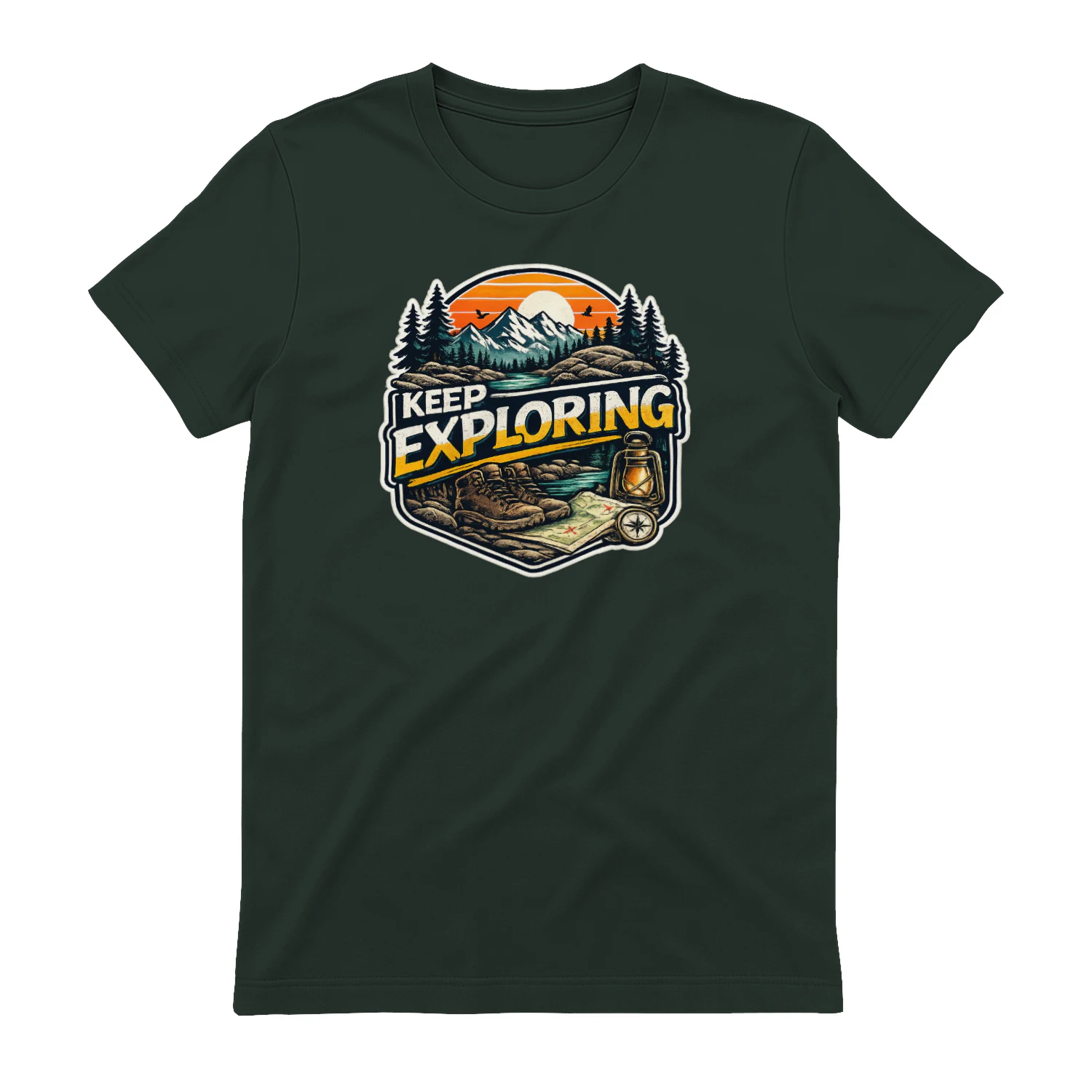
Keep Exploring Badge
A vintage outdoor badge centered on one simple message: “Keep Exploring.” With mountains, evergreens, a river, hiking boots, lantern, map, and compass details, it’s made for hikers, campers, travelers, and anyone who is always curious about what’s around the next bend.