Why the north side changes the Yellowstone trip
The clearest takeaway from this Yellowstone episode is simple: the park feels very different depending on how you enter it and where you stay. That is the direct answer if you are wondering what this video is really about. It is not just a stop at Old Faithful or a campground check-in. It is a reminder that Yellowstone is huge, that the distances are real, and that one entrance can make the whole experience feel crowded while another makes it feel slower and more open.
The creators frame that idea early by pointing out how many visitors funnel through West Yellowstone because Old Faithful pulls such a heavy crowd. Then they contrast that with the north side of the park, where far fewer people enter through Mammoth Hot Springs. That difference matters because it changes the rhythm of the trip. Yellowstone is not presented here as a place to knock off in a hurry. It is treated as a place that rewards patience, repeated visits, and a willingness to see beyond the busiest corridor.
Mammoth, Gardiner, and the value of camping near the quieter edge
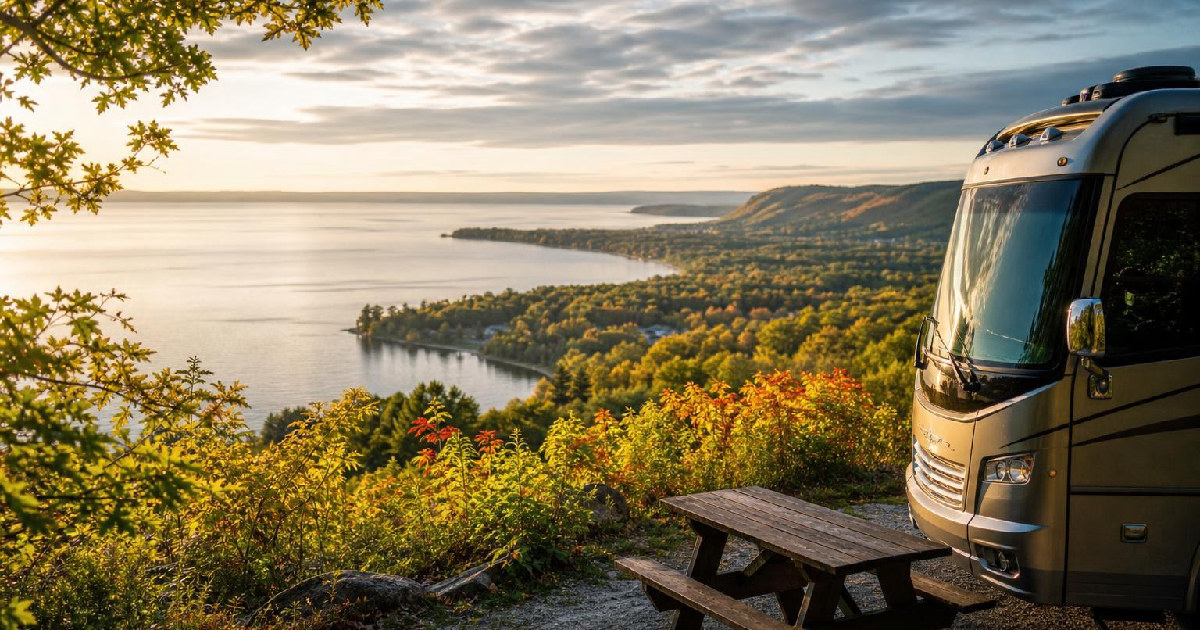
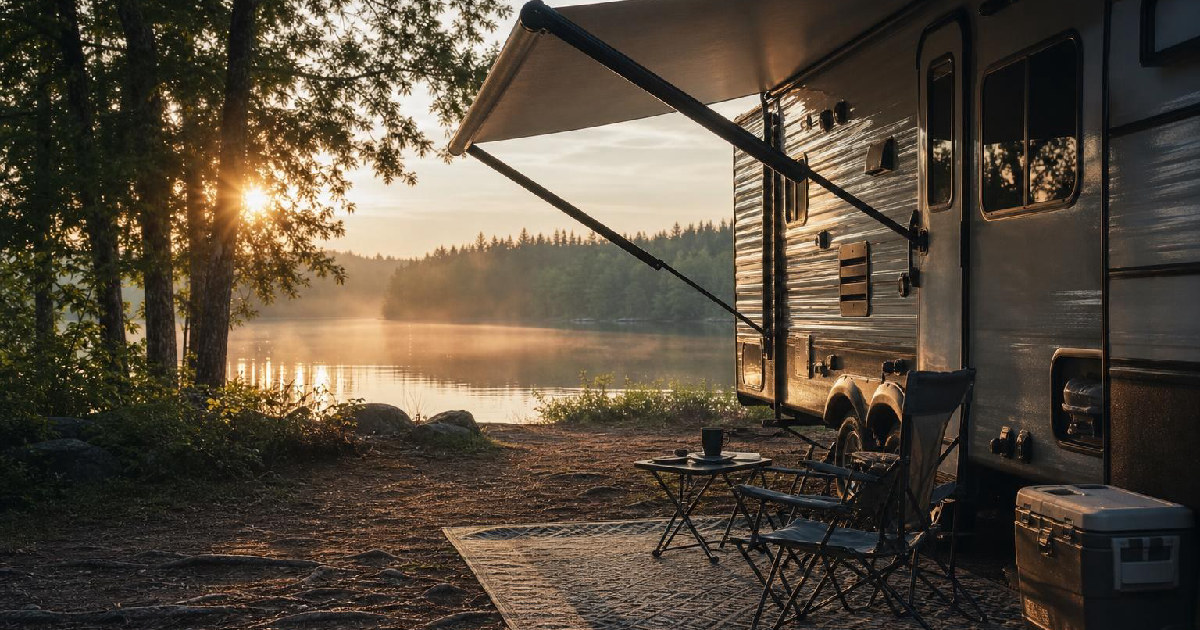
A lot of the episode’s character comes from the north entrance area itself. The creators spend time around Mammoth Hot Springs Campground, and the campground experience shapes the story more than a quick drive-through ever could. Elk wandering through camp, chilly mornings, fire smoke in the air, and the quiet of a national park wake-up all make the north side feel lived-in rather than merely scenic.
There is also a strong practical thread running through the campground discussion. They note that they picked up a cancellation and were glad they acted fast, which is a useful real-world detail for anyone planning around Yellowstone’s limited availability. The video does not pretend camping there is effortless. In fact, the repeated references to how hard it was to get into Mammoth Hot Springs Campground underline the opposite. Good sites can be scarce, and timing matters.
The stop in Gardiner adds another layer. Rather than treating it as just a town outside the park, the episode uses it as a reference point for RV travelers who may not fit, or may not want, the more constrained campground setup. That makes the segment useful without turning it into a gear guide. The point is not that one option is best for everyone. The point is that Yellowstone travel changes a lot depending on whether you are trying to stay inside the park, near the boundary, or in a larger RV-oriented park up the road.
Old Faithful without the only-Old-Faithful mindset
Old Faithful appears in the episode, but the larger editorial point is that Yellowstone should not be reduced to it. The creators do visit the geyser area and do the expected photo-stop routine, but they keep returning to the idea that Yellowstone contains more than the headline attraction.
That is where the companion value of this video really lands. If you are planning a first Yellowstone trip, the episode suggests you might be better off thinking in regions instead of landmarks. The geyser basin is only one part of the park’s personality. The north side has its own quiet atmosphere, different geothermal features, and a very different pace from the West Yellowstone traffic flow. The video makes that contrast feel concrete without needing a lecture.
There is also a nice tension in the way the creators move between the big-name attraction and the rest of the park. Old Faithful is still worth seeing, of course, but it is not treated as the whole story. The better lesson is that Yellowstone becomes more memorable when you leave room for the less obvious corners.
Why RV timing, cancellations, and campsite fit matter here
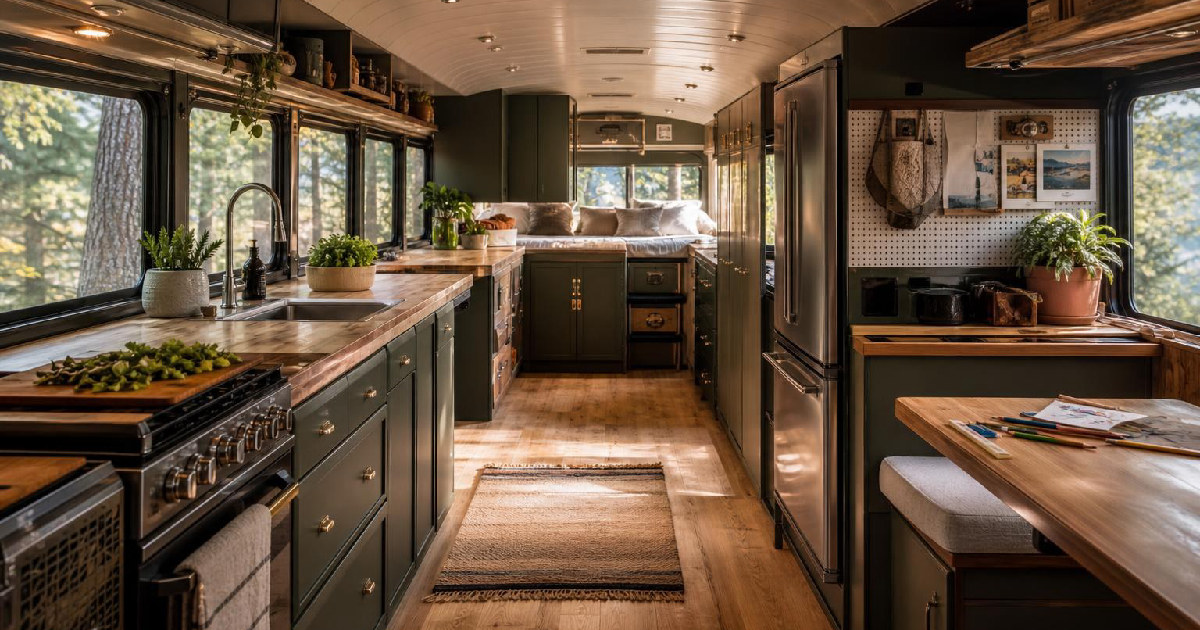
One of the most useful parts of the video is how plainly it treats the RV side of the trip. Yellowstone may be a scenic destination, but the actual experience depends on practical details: whether you can get a campground reservation, whether a site fits your rig, how easy it is to move around, and what kind of hookups or dump access you end up with.
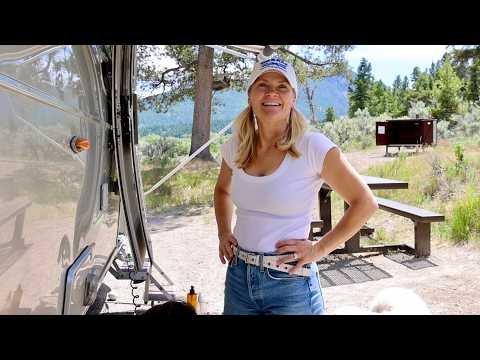
That is especially clear in the campground scenes. The creators talk through backing in, making sure hoses are in good shape, and managing the small chores that shape daily RV life. None of that is glamorous, but it is exactly what makes a Yellowstone stop workable rather than stressful. The video also shows how much a site can improve the trip when water, electric, and dump access all line up in one place.
The cancellation story stands out too. The creator mentions using recreation.gov and finding a button that allowed an early departure and a refund. That detail matters because it captures one of the low-drama realities of campground travel: plans change, but the system can also work in your favor if you know where to look. For anyone trying to move through Yellowstone with an RV, that kind of flexibility is worth more than a polished itinerary.
Small road-trip details that shape the whole visit
The episode is full of little moments that do a lot of work. A narrow road with sharp curves becomes part of the memory. A drive that takes longer than expected becomes another reminder of the park’s scale. A quiet morning with tents, campfires, and cold air gives the north side a different texture from the more crowded tourist approach.
Even the everyday RV routines carry meaning here. They are not filler; they help explain why the creators keep coming back to Yellowstone but still feel they have more to see. The park does not flatten into a single experience. One day is not the same as the next, and one entrance does not stand in for another.
The wildlife moments and geothermal views reinforce that idea. Elk in camp, warning signs about wildlife, bubbling pools, and steaming ground all add up to a version of Yellowstone that feels broader than the usual postcard route. It is still Yellowstone, but the emphasis shifts once the video moves away from the most famous stop.
A different way to think about Yellowstone planning
If you are trying to plan a trip, this episode offers a useful way to think about it: choose your Yellowstone experience before you choose your photo stops. That does not mean overplanning every minute. It means recognizing that where you camp and which entrance you use will change your daily rhythm.
The north entrance feels quieter and a little more spacious. West Yellowstone feels busier and more directly tied to Old Faithful traffic. Mammoth Hot Springs Campground gives you a close-in, in-the-park experience when you can get it. Gardiner gives RV travelers another kind of access point. Those are not interchangeable choices, and the video does a good job showing why.
That is the strongest editorial takeaway from the trip. Yellowstone is not one experience repeated in different places. It is a set of distinct regions, and the route you choose can make the park feel entirely different.
Watch the original video: https://www.youtube.com/watch?v=Cdj3lfy8i-0
RECOMMENDATIONS
All About The Life designs from Texas Thread Theory, inspired by the places you go and the stories you bring back.

Go Somewhere — Life Is Better On The Road
A bold road-trip design featuring an RV, winding road, mountains, lake scenery, and the message “Go Somewhere — Life Is Better On The Road.” Made for travelers, campers, RVers, and anyone who feels a little more like themselves once the highway opens up ahead.