Why this converted bus makes sense for family travel
The clearest answer to what this video shows is simple: Alex and Len took a retired passenger bus and turned it into a rig that fits their actual life. Not an imagined life, not a weekend-trip version of life, but the kind built around two young kids, remote work, travel when it suits them, and the ability to stay put when they want to. That is what makes this Prevost bus conversion interesting. It is not just a flashy build. It is a family system.
What stands out first is how deliberately they rejected the usual RV template. Instead of forcing the coach into a conventional floor plan, they built around the things that matter most to them: light, storage, a workable kitchen, safe seating for the kids, and enough flexibility that the same space can shift throughout the day. That is a much more useful way to read the rig than just treating it as a cool finished bus.
What the original passenger coach became
The bus itself is a 1997 Prevost H345 with just under half a million miles on it. It weighs about 40,000 pounds and runs a 450-horse Detroit diesel. Those numbers alone tell you this is not a standard RV starting point. It is a commercial coach, and that changes everything from structure to space to the kind of work required to turn it into a home.
They bought it in October of 2024 as a fully seated 56-passenger bus, then stripped it all the way down to bare metal. From there, they rebuilt the interior almost from scratch. The original red and gray look is gone. So are the cloth-like ceiling materials and the plastic window trim. In their place is a cleaner, brighter layout with luxury vinyl flooring, custom cabinetry, and a more residential feel.
The part that gives the bus its personality, though, is the windows. They kept almost all of them, and that choice creates the whole mood of the interior. The coach feels open and airy in a way a typical RV often does not. But it also comes with a cost: more heat, more need for cooling, and less privacy when the blinds are up. It is a tradeoff they seem fully aware of and willing to make.
The layout follows the family, not the brochure
The most revealing part of the build is how much it reflects daily routines. This is a family with kids ages two and five, so their floor plan is built around nap times, car seats, changing needs, and the reality that the bus has to work all day, not just at night.
The middle of the bus, which often ends up as bunk space in touring coaches, was not going to work for them. That would have split the bus in a way that made movement awkward and made the bathroom less accessible. Instead, they moved the kids’ sleeping area toward the back and used darkness and white noise to help preserve nap schedules. The parents sleep in a pull-down bed that converts the main living area at night. It means making the bed every day, but they say the process takes about a minute when they do it together.
That swap reveals something important about the whole project: they are not prioritizing the idea of a separate bedroom. They are prioritizing usable space. For this stage of life, that matters more. Once the kids are asleep, they can shut the doors and reclaim the main area as their bedroom. In practice, that gives them more room for the kitchen, storage, and daytime living.
Kitchen, office, bath: every zone has to earn its keep
Len cooks often, so the kitchen was treated as a core part of the build rather than an afterthought. There is room for storage, a residential refrigerator, flip-up surfaces for extra counter space, and an outdoor kitchen setup that is still in progress but already functional. They can cook inside or outside depending on the weather and what they are making.
That same multi-use logic shows up everywhere else. Their office area doubles as a guest room and general catchall. A flip-up desk, a camp chair that can move outside, and shared dresser space all point to the same idea: every object should do more than one job if possible.
The bathroom is another example. They wanted a larger shower and more room than they had in previous rigs, so they built a tiled shower and a more residential bath layout. They placed it where they did partly because of the old emergency exit opening, which also serves as ventilation. The toilet is a marine macerating model rather than a standard RV gravity toilet, because the bathroom sits over the rear axle and needed a different plumbing approach. It is a practical solution, not a flashy one.
Power and water make the boondocking lifestyle possible
A big part of the appeal here is that the bus can support the way they like to travel. They do a lot of boondocking and Harvest Hosts stays, so the rig had to be able to stay self-sufficient.
The system includes a 200-gallon water tank, an 8,000-watt generator, 4,000 watts of solar on the roof, a 12,000-watt inverter, and a 15 kWh battery bank. That is a serious setup, but the video never treats it as trophy hardware. It is simply what allows them to use the bus the way they want.
The windows again create both the appeal and the challenge. In the right setting, they make the bus feel like a train car rolling through a view. In hot weather, they also mean a lot of cooling demand, which is why the coach has four mini-split heads tied to a larger outdoor unit. The system is designed to handle the heat so the view stays a benefit instead of becoming a burden.
The numbers people keep asking about
The video also answers the practical questions that always come up with a build like this.
They said the bus cost $17,000. The full build, including the purchase price, came in around $40,000 at one point, and is now closer to $50,000 once repairs and additional work are counted. That includes a major solar setup and other upgrades rather than just bare conversion costs.
Fuel economy is about 7 miles per gallon, and the bus has a 235-gallon tank, though they said they have never filled it beyond 208 gallons. They also tow a 7,000-pound truck, which adds another layer to the setup.
On licensing, the coach originally required a CDL because it was still titled as a commercial vehicle when they drove it home. After conversion, they changed the title in Ohio by meeting the state’s recreational vehicle criteria, including sleeping, cooking, and refrigeration provisions. Once that happened, the CDL requirement no longer applied in the same way for the converted rig.
The bus has not been trouble-free, either. They mentioned a transmission issue that cost about $5,000 to repair at an Allison-certified shop. That kind of honesty matters, because it keeps the build from becoming a fantasy. A converted coach can be a great fit, but it is still a big machine with real maintenance.
What this rig says about the way they travel
What makes this Prevost bus conversion memorable is not just the craftsmanship. It is the philosophy underneath it. They built for flexibility, not perfection. They built for kids who need naps, parents who work remotely, and travel that happens in bursts instead of all year in one direction.
That is why the bus feels so lived-in and so intentional at the same time. It is not trying to imitate a house exactly. It is trying to solve the family’s actual problems with the space they have. For a lot of RV buyers, that is the part worth paying attention to.
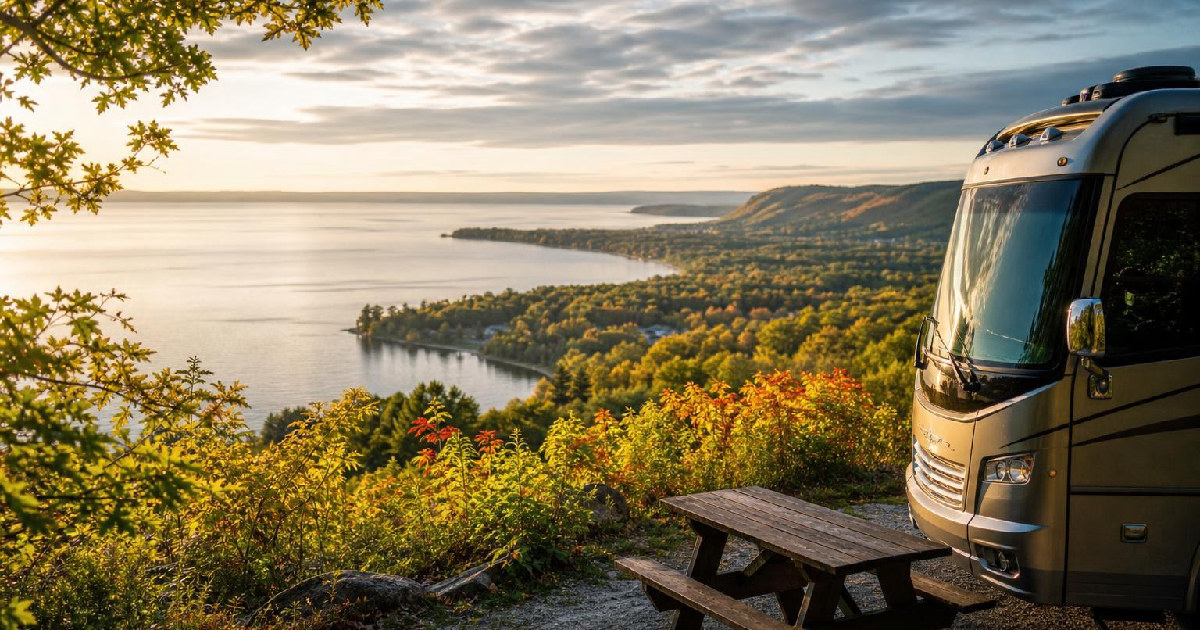
The result is a rig that can park at a ridge, boondock in relative comfort, support daily routines, and still feel open enough to enjoy the places it reaches. It is a reminder that the best builds usually come from knowing what you need and leaving out what you do not.
Watch the original video: https://www.youtube.com/watch?v=rywsroD9jjU
RECOMMENDATIONS
All About The Life designs from Texas Thread Theory, inspired by the places you go and the stories you bring back.

All About The Life Road Trip SUV Badge
A retro All About The Life road-trip badge featuring a rugged SUV, mountain roads, directional signs, and classic compass details. It’s the perfect design for back-road explorers, overlanders, weekend travelers, and anyone who likes their adventures with a full tank and no strict itinerary.