The trip’s real story: getting back on the move
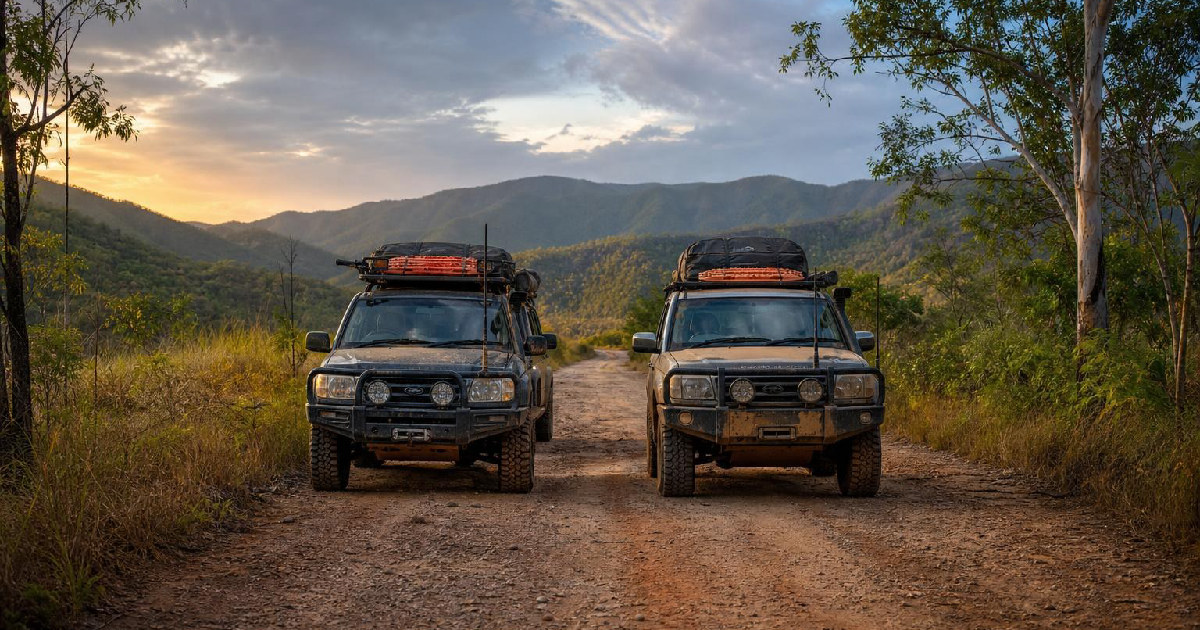
The clearest way to read this Kimberley finale is as a recovery mission that keeps turning back into an expedition. Yes, the goal is to reach the Berkeley River and open up a camp where the salt meets the fresh. But before the crew can think about fishing or settling in, they have to keep enough vehicles alive to make the run possible. That is what gives the episode its shape: broken parts, improvised fixes, and long stretches of track that demand patience rather than speed.
The direct answer is that this is a Kimberley 4WD adventure built around persistence. The country is remote, the route is rough, and the convoy is already carrying the kind of wear that comes from days in the scrub. Instead of pretending that the tough part is behind them, the video makes the repairs part of the story. That is exactly why it works. The journey feels earned because the crew has to keep solving problems before it can keep moving.
Repairs, spares, and the bush telegraph
One of the most revealing parts of the video is how ordinary the repairs are compared with the setting. The crew is deep in isolated country, yet the problems are familiar: a starter motor on the blink, a rear diff that has let go, belt and pulley issues, and the steady reality of keeping multiple vehicles and camera gear alive in the bush.
What stands out is not technical complexity for its own sake, but the way the crew leans on whatever is available. A spare starter motor comes out. A diff center is sourced through contacts in a tiny remote community. A replacement belt and pulley are fitted. The camera car gets attention too. In other words, the trip is not just a drive; it is a mobile workshop.
That matters because it changes the viewer’s understanding of the convoy. These are not pristine rigs making a clean run to a picturesque finish. They are working vehicles being asked to survive a brutal environment. When the video pauses for mechanical fixes, it is not stalling the adventure. It is showing what remote travel actually requires: diagnosis, patience, and a network of people willing to help when wreckers are not exactly around the corner.
Why the abandoned track matters
The abandoned track is the emotional centre of the episode. It is described as a route that has not been driven in over 30 years, and that sense of long neglect is visible in how the country behaves. In places the track is barely a track at all. It has disappeared into bush, become a riverbed, or been eaten away by washouts and overgrowth. The crew often has to stop, walk ahead, and work out whether the line still exists.
That is where the video finds its tension. A road that once served mining activity is now a puzzle. The convoy is often following faint rock piles, hidden turns, or the remnants of old earthworks. Sometimes the track is obvious only in hindsight, once several vehicles have already pushed through and opened it up again.
The appeal of that kind of travel is obvious from the way the crew talks about it. There is uncertainty in every decision: will the route go through, vanish, or trap the vehicles in deeper trouble? That uncertainty is part of the reward. The track is not scenic in a polished sense. It is compelling because it has to be rediscovered.
Crossings, washouts, and the slow work of opening country
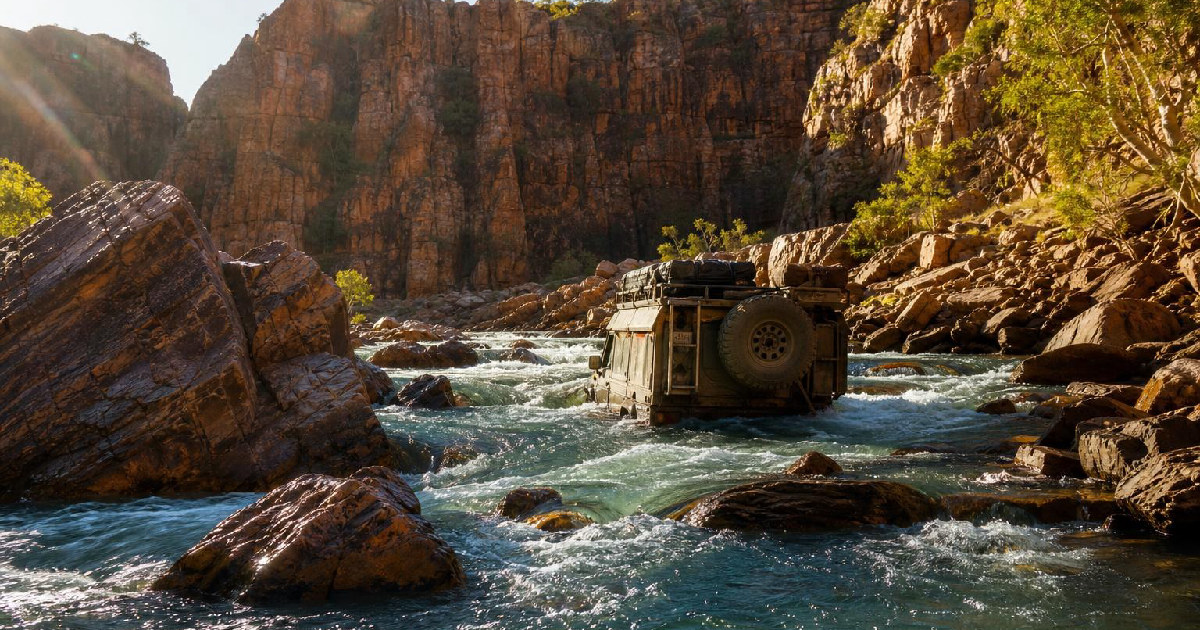
If the old track is the episode’s spine, the crossings and washouts are its pressure points. The crew deals with a series of creek entries, muddy exits, deep water, and sections where erosion has simply taken the road away. At times the line is so faded that the vehicles need to be guided one by one. At others, the bigger rigs are used to break a path through the worst sections before the lighter vehicles follow.
That pattern tells you a lot about the trip. It is not a race. It is a convoy problem-solving its way forward.
The Berkeley approach is especially memorable because it feels like country being reclaimed in real time. The track is there, but only just. Some sections are overgrown enough that visibility is almost useless. Other spots have bog holes or steep drops that force the crew to winch, re-line, or choose a different angle. The result is a route that becomes legible only after the convoy has already fought through it.
The night crossing of the Drysdale River is another example of how the trip keeps raising the stakes without needing a manufactured storyline. The water is moving, the light is fading, and the crew is crossing in conditions that feel both practical and slightly absurd. That combination—ordinary bush logistics mixed with a very real sense of risk—is what gives the episode momentum.
Finding camp at the end of the push
For all the mechanical fixes and track work, the camp scenes matter because they reward the effort. Once the convoy finally reaches open ground, the mood changes quickly. The crew can relax, set up properly, and enjoy the simple satisfaction of having made it through another hard section.
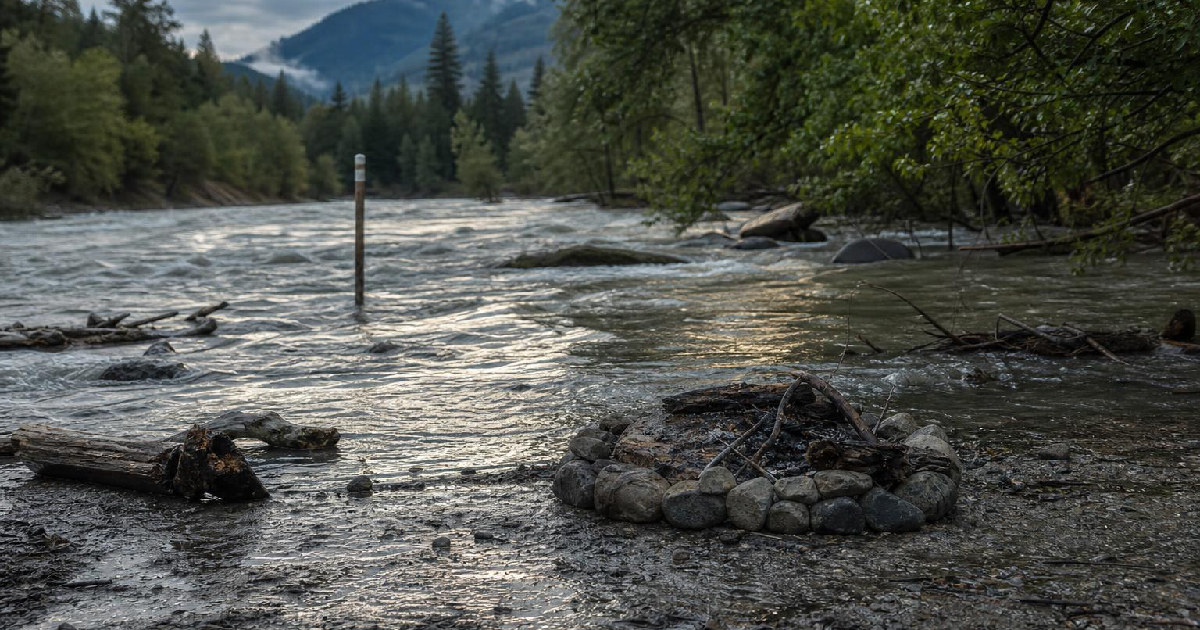
That contrast is one of the strengths of the episode. The video does not treat camp as a separate lifestyle segment bolted onto the adventure. Camp is the payoff for the day’s decisions. By the time the fire is lit and dinner is underway, the viewer understands why the crew is so relieved to be there.
The fish and chips cook-up adds another layer to that feeling. Fresh barramundi becomes the obvious meal after a day of river crossings and track work, and the whole scene reinforces what the trip has been building toward: a chance to camp, eat, and reset in a place that few people ever reach by vehicle.
What the Berkeley River goal changes about the whole journey
The Berkeley River is not just a scenic endpoint. It gives the entire episode its purpose. The crew keeps referring to the idea of reaching a camp where the salt meets the fresh, and that image makes the rest of the journey make sense. It is not just about ticking off an isolated track. It is about earning access to a place that feels unusually remote even by Kimberley standards.
That is why the final push works so well. The convoy has already crossed rough country, repaired itself, and pushed through a reclaimed route that has been hidden for decades. By the time the river comes into view, the destination feels deserved rather than simply announced.
For viewers, that is probably the lasting appeal of the episode: it shows how a serious 4WD trip is built from small victories. A spare part found in the bush. A river crossed without drama. A line chosen correctly through overgrown country. A camp finally set beside water that feels almost impossibly remote.
Watch the original video: https://www.youtube.com/watch?v=Qvwq4liXxG4