The campsite looked fine until the river started moving
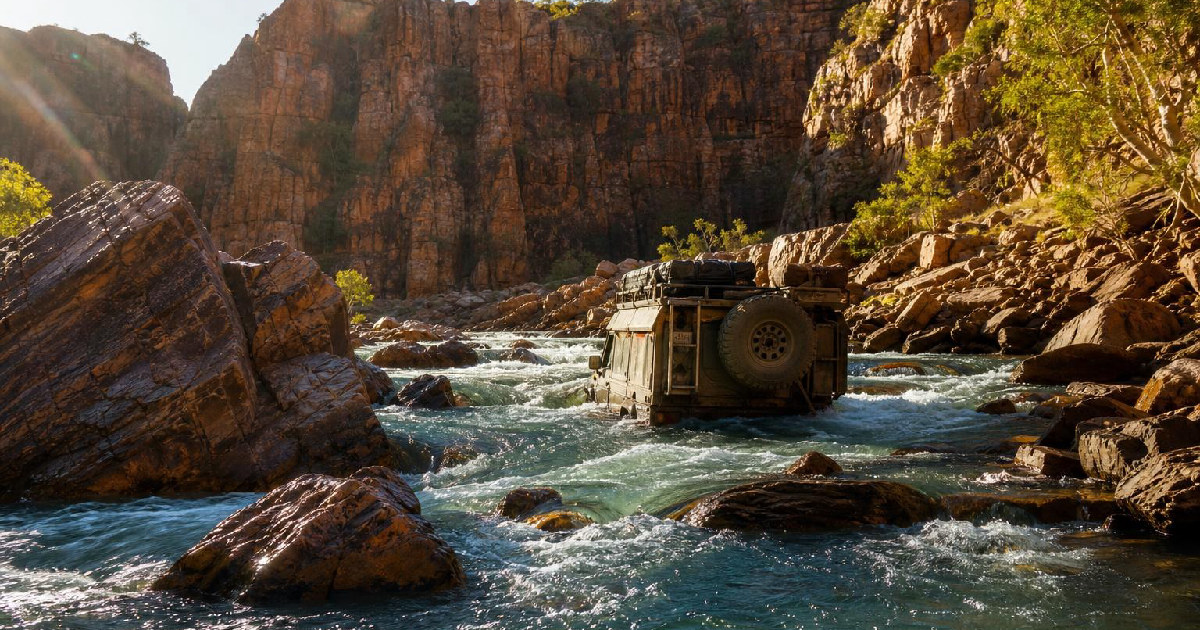
This 4WD 24-7 clip gets to the point immediately: the camp is set right on the edge of the river, and the water is rising fast enough to make the situation worth watching minute by minute. The creator does not dress it up as anything else. What starts as a good-looking riverside setup turns into a live check on whether the river is staying put or not.
That is the whole value of the video. The setting is beautiful, but the beauty is also the risk. The river that was narrow when they arrived is no longer behaving like a narrow channel, and the campsite is close enough to feel every change.
Why the marker sticks matter here
The most useful detail in the clip is the pair of markers. One is placed to show where the river was when they first arrived, and a second marker shows how far it has moved. That turns the scene from a general sense of unease into something concrete.
In a short video like this, small details do the heavy lifting. A marker gives the viewer a reference point. It makes the rise measurable in a visual way, even without charts, timestamps, or a long explanation. The river does not just look fuller; it has an earlier position, a newer position, and an obvious gap between the two.
The creator also notes that the rise happened quickly. The first marker to the current edge happened in about an hour, which is enough to make the campsite feel less like a relaxed stop and more like a place that needs attention.
A fireplace disappearing is the clearest warning
If the markers establish the change, the fireplace makes it real. The clip ends with the creator pointing out that the spot where the fireplace had been is now reached by the river. That is the kind of detail that lands instantly because it is familiar camp logic: if the fire area is underwater or threatened, the camp layout is no longer functioning the way it was.
There is no need for exaggerated commentary here. The visual tells the story. A place where people were obviously set up to spend time now sits at the river’s edge under pressure from rising water. That simple shift gives the entire video its tension.
It also explains why short campsite videos can be so effective. The audience does not need a long backstory to understand the stakes. Once the fire pit reference appears, everyone knows the camp is being outpaced by the river.
What this clip says about remote riverside camping
The phrase “remote Australia” in the creator’s description fits the feeling of the clip, but the video itself stays grounded in one immediate reality: conditions can change quickly when you camp close to water. That is the central takeaway, and the video shows it without turning it into a lecture.
For viewers, that makes the clip useful in a practical sense even though it is very short. It captures a campsite that looked acceptable on arrival and then had to be reassessed as the river moved. The markers, the rising water, and the fireplace all point in the same direction.
There is also a broader appeal in the way the video holds back from overexplaining. Instead of telling the audience what to think, it lets the changing river do the work. That restraint makes the clip feel credible. It is not selling a dramatic rescue or pretending to know what happens next. It is simply documenting a shift in conditions as it happens.
The tension comes from not knowing the next hour
Because the video is framed as part 1, it naturally leaves the viewer in the middle of the situation. That matters. The uncertainty is what gives the clip its shape. The river has already moved once, and the camp is already in a different position relative to the water than it was when they arrived. What happens next is left hanging.
That unfinished quality is part of why the video sticks. A campsite can feel stable right up until it does not. The creator’s quick check, the markers, and the fireplace reference all show a camp that is still recognizable but clearly under pressure.
For anyone who has camped near a river, that is an easy scenario to understand. You can plan around the day you see when you arrive, but water does not always keep to that schedule. This clip is the evidence.
Why this short video works as a companion feature
A lot of short-form outdoor content tries to create a full narrative out of very little footage. This one does not need that. The video is memorable because it captures one change with enough clarity that the viewer can feel the stakes immediately.
The key points are all on screen or spoken plainly:
- They are camped right beside the river.
- The river has risen since arrival.
- Marker points show how much it has moved.
- The fireplace area is now reached by the water.
That is enough to build a strong companion piece around, because the situation itself is the story. The clip does not need embellishment. It needs context, and the context is simple: this is what a fast-changing riverside camp looks like when the water starts winning ground.