The millimeter problem that decides everything
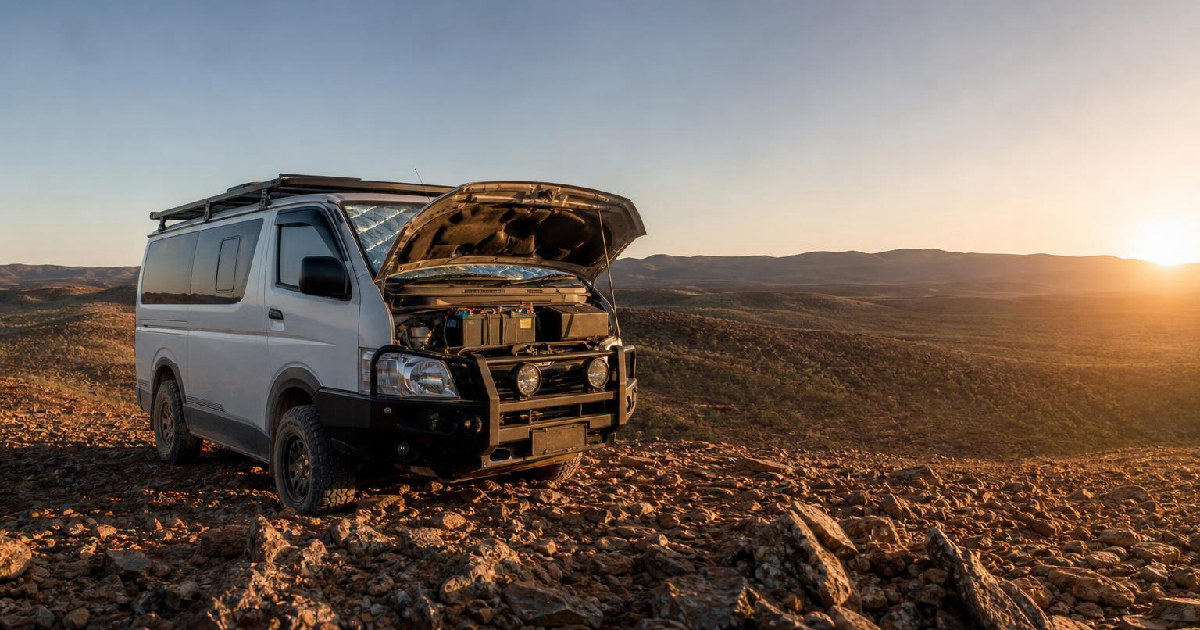
The sharpest moment in this build is not a dramatic modification or a flashy accessory. It is a clearance check. The HiAce has to get into the workshop, and the margin is so small that the whole exercise becomes a test of nerves. That tiny gap sets the tone for the entire feature: this is a vehicle that has been built with care, but it is still being measured against reality before it goes anywhere remote.
That matters because the video is not really about showing off a finished van. It is about proving that the van is usable. The first win is simple and decisive: it fits. Not comfortably, not with generous space to spare, but enough to stop the build from becoming a workshop problem every time the van needs attention. Even then, the fit raises a bigger question that runs through the rest of the trip prep: what happens when one solution creates another constraint?
In this case, the answer is familiar to anyone who has ever chased a neat overlanding setup. The van can fit in the workshop, but adding rooftop solar changes the profile. Keep the top clean and the van is easier to store. Add solar and the vehicle becomes a different proposition altogether. That tension between function and convenience sits quietly underneath everything else in the episode.
What the weigh-in actually says about the build
Once the garage question is settled, the next proof point is the scale. The van weighs in at 3,434 kg, which gives the build its most concrete headline. The result is useful not because it is impressive on paper, but because it tells the creator how much margin remains before the vehicle reaches its limit. In his own words, there is still plenty of room left before GVM, even with real travel load coming later.
That is the kind of number that changes how you think about a rig. Empty weight is not the same as travel readiness, but it is the foundation for everything that follows. Here the van is carrying a 100 L water tank that is not full, two fridges that are also empty, a heavier final bullbar, and interior fittings that now make the layout feel closer to a finished expedition setup than a shell. Even so, the result leaves enough room for people, food, tools, and the rest of the travel load.
The interesting part is not just that the weigh-in comes in under the threshold. It is that the build still has to behave properly once weight is added. The creator points out a practical problem that many van owners will recognize immediately: if the vehicle is made too light, it can affect workshop clearance; if it is made too heavy, handling suffers. That is a very specific kind of compromise, and the video treats it as one of the real design problems, not a side note.
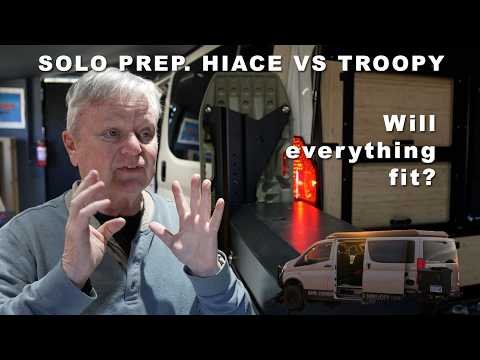
Packing a solo van is not the same as packing a Troopy
A large part of the feature is about habit. The creator is used to packing a Troopy, and that routine has become almost automatic. The HiAce forces a reset. It is still an overland travel platform, but the way the space is laid out changes the logic of daily use, emergency access, and storage priorities.
The emergency grab bag is the clearest example. In a solo travel context, it is not just a nice extra. It becomes a core safety measure, the thing he wants close at hand if he ever has to leave the vehicle quickly. The logic is straightforward: if you are forced out of the van, you lose shelter, water, food, communication, and protection from the elements all at once. That is why the bag matters, and why he treats it as part of the solo travel system rather than a loose accessory.
What is revealing is how different that is from the Troopy setup. In the older vehicle, the seat tilt and cabin layout made the grab bag easy to reach. In the HiAce, he has to solve the problem again from scratch. That single detail says a lot about the whole build. This van may carry similar gear, but it demands a different way of thinking.
Power, storage, and the little choices that keep the van usable
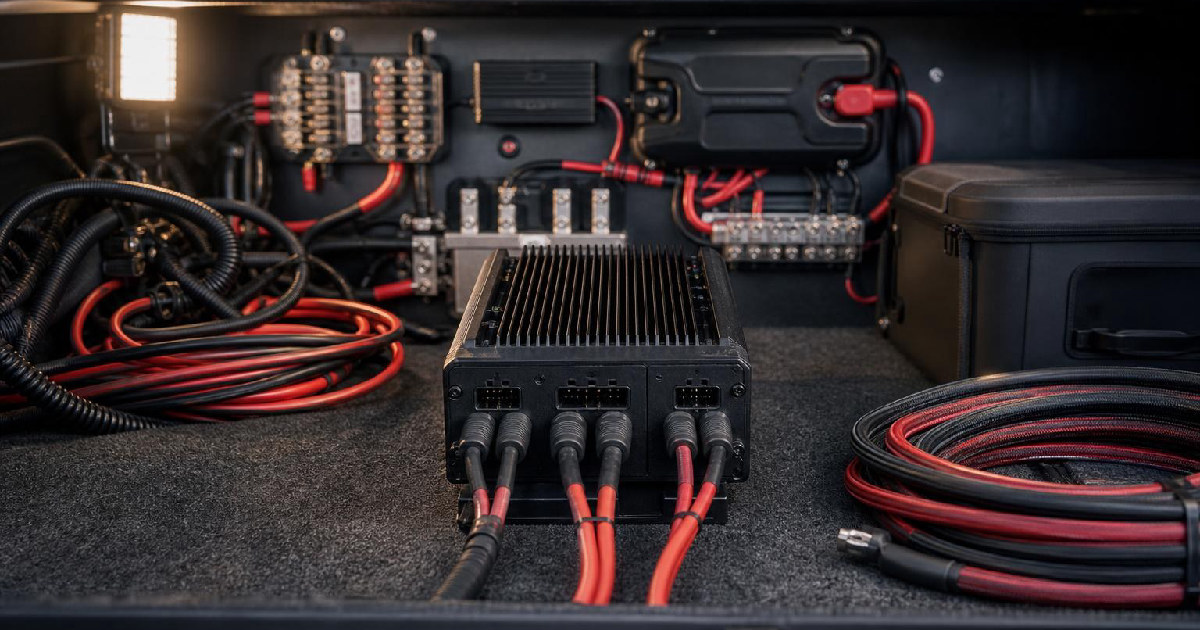
The article also becomes a study in how useful space is organized. The Egon DC Hub Nano is positioned as a compact central electrical unit, which makes sense in a build where space matters. The sound deadening from Car Builders is presented not as glamour work but as a practical improvement that changes how the doors feel and how the vehicle sounds inside. Even the speaker upgrade is treated as part of the broader goal: making the van behave like a well-sorted travel machine instead of an empty shell with parts in it.
Storage, too, is handled with a steady, unsentimental eye. The kitchen is packed around what gets used and what can be reached easily. The Travel Buddy oven stays because it has a real role in making travel easier, especially when a hot meal can be ready after a long drive. The fridge is not treated as the center of the universe, which is refreshing. The creator even questions why some rigs seem to be designed around the fridge more than around daily use. In his view, that is the wrong priority.
There are a lot of small details that add up to a system: toilet paper stored dry in separate bags, instant cloths that become wipes once water is added, tools in a roll bag, shoes and drone gear given their own places, and first aid clearly marked so it can be found fast. The logic is consistent throughout. If something is frequently needed or critical in an emergency, it should be easy to reach. If it is heavy, wet, or awkward, it should be contained so it does not turn into a problem later.
Why range changes the whole route plan
The biggest practical constraint is not weight or storage. It is range. The video makes that very clear. The creator is thinking about a remote desert route, but the numbers do not support it in the current setup. Even with additional fuel carried in jerry cans, the planned distance between fuel stops is too demanding for the van as it stands.
That forces a change of plan, and the change is part of the story. Rather than pretend the first route will work, he steps back and chooses something easier on fuel. That decision gives the feature a grounded, honest quality. It is not about forcing the trip he originally wanted; it is about matching the trip to the vehicle’s real capabilities.
That same realism also shapes how he thinks about the newer LandCruiser Troopcarrier. He notes with some frustration that even the Troopy’s fuel setup has changed in a way that reduces its long-range appeal. The comparison is not sentimental. It is practical. The lesson is that every platform has trade-offs, and those trade-offs become more obvious when you are alone and a long way from help.
What this first solo trip is really for
On the surface, the trip is a test run. In practice, it is a reset. The van has to prove itself not only as a finished build but as a solo expedition tool. That means navigation, packing, power management, safety, and route planning all have to work together without the backup of another person in the vehicle.
The new Garmin Tread 2 is part of that process, but the real focus is broader than any one device. The creator is trying to rebuild the instincts he already has from years of Troopy travel and apply them to a different vehicle with a different shape, different access points, and different limitations. That is why the video feels more consequential than a simple build update. It is the moment where theory meets a real trip.
For readers who like the practical side of overlanding, that is the value here. The van is not being judged by looks or by a list of parts. It is being judged by whether it can fit, weigh, pack, communicate, and travel in a way that makes solo bush travel feel controlled rather than improvised.
Watch the original video: https://www.youtube.com/watch?v=VR8lzKXWDrY
RECOMMENDATIONS
All About The Life designs from Texas Thread Theory, inspired by the places you go and the stories you bring back.

Take The Scenic Route
A scenic-route AATL design built for road trips, mountain drives, sunsets, back roads, and travelers who know the long way can be the best way.