Why the Smokies fit this kind of trip
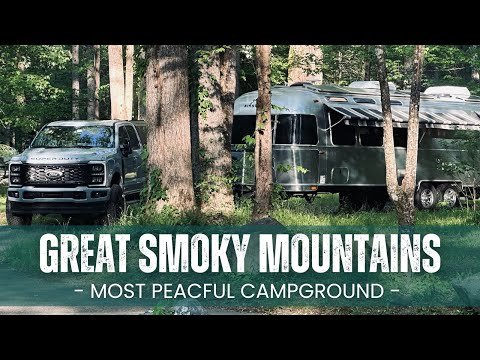
The plain answer is that this Keep Your Daydream episode is about returning to the Great Smoky Mountains and making the most of a few days there. The more useful answer is that it shows why the Smokies suit RV travel so well. This is not a park that asks you to rush. It asks you to settle in, make a workable base, and pay attention to the small shifts in weather, traffic, wildlife, and trail access that give the place its character.
That approach fits the episode from the start. The travel context includes a larger national-park mission, but the Smokies do not become just another checkbox. Instead, they become a place where the creators revisit familiar ground, compare notes on previous stops, and adjust plans around the realities of being on the road. The episode keeps circling one idea: the park is best experienced at a slower pace.
A base camp that supports real life, not just sightseeing
Anchor Down RV Resort serves as the practical reset before the deeper park time. In the video, it is treated like a place to get work done, handle laundry, and squeeze in a workout or two before moving on. That matters because it shows the rhythm behind the travel. RV life is not all scenic overlooks. Sometimes the best move is staying somewhere that gives you enough room to regroup.
That kind of stop also explains why the Smokies visit feels grounded instead of frantic. The trip includes the ordinary things that make the rest possible: checking in, solving small parking questions, moving gear around, and getting ready for the next leg. The episode does not pretend those tasks are incidental. They are part of what lets the park experience feel relaxed instead of rushed.
Elkmont Campground then shifts the trip from practical base camp to a more immersed park stay. The video emphasizes the streamside setting and the sense of being surrounded by greenery and moving water. That combination gives the campground a very different mood from the resort stop. One place helps you reset; the other places you inside the park’s atmosphere.
Cades Cove is slow travel by design
Cades Cove is the part of the episode that best captures the Smokies’ identity. It is a scenic drive, but not the kind that rewards speed. The whole point is to go slowly, watch the landscape, and let the road reveal itself. The creators talk through the drive in a way that matches the place: relaxed, observant, and occasionally distracted by what appears just off the road.
That is also why the visitor-center conversations matter. The advice they get from a ranger and volunteers adds useful context without turning into a lecture. It frames the area as something worth revisiting, especially when closures and seasonal timing affect access. The episode makes clear that the park experience is partly about adapting to those rhythms rather than expecting the same outcome every time.
The discussion around Cad's Cove Loop and the campground nearby also points to a practical truth for RV travelers: the best camping choice is not always the one you notice first. Sometimes it is the site that places you close enough to the experience that you can step out of the rig and go straight into it. The video suggests that Cades Cove Campground would be a strong fit for that style of stay, even if it was not the site they originally had in mind.
Small logistics shape the whole day
A lot of the episode’s texture comes from the unglamorous parts of road travel. There are questions about internet access, parking tags, site length, turning radius, and whether the rig will fit where it needs to go. Those details might sound minor, but they are exactly what makes the trip feel real.
The same is true of the cooking and packing scenes. The food prep is not presented as a polished campsite performance. It is the kind of flexible outdoor cooking that happens when you are dry camping and trying to use what you have well. The blueberries, pancakes, lemon, and sour cream are all handled as part of a practical flow rather than as a showpiece. The point is not perfection. It is making a good meal fit the day.
That same practical instinct shows up in the gear talk, too. The episode touches on where certain items are stored and why some things stay with the truck instead of the cabin or glove box. The underlying theme is simple: on the road, storage choices are travel choices. What lives in the battery box, what stays in the console, and what gets used while towing all affect how smooth the day feels.
The bear sighting works because the park has been building toward it
The black bear encounter lands well because the episode has already established the Smokies as a place where patience matters. The creators do not stumble into wildlife as a standalone moment; they are already driving slowly, watching the road, and letting the park unfold around them. That makes the sighting feel like a reward for paying attention.
It also reinforces one of the episode’s quieter points: the Smokies are not only scenic, they are alive. The ranger’s note about bears coming out earlier in May fits the moment without overexplaining it. The bear crossing becomes a memorable stop in the middle of a day built around slow movement and observation.
There is also something fitting about the way the encounter happens in traffic, with one driver enjoying the scenery a little too much and everyone else trying to keep the line moving. That mix of patience and mild frustration is part of the Smokies experience, too. The park invites both wonder and a little logistical humility.
Outdoor cooking gives the visit its own kind of memory
The meal preparation near the end of the episode does more than fill time. It gives the Smokies trip a domestic, lived-in quality. Cooking outside in a national park is a small act, but it changes the feel of the day. It turns the setting into part of the meal rather than just the backdrop to it.
That matters here because the whole episode keeps favoring activities that slow the body down and sharpen attention: scenic driving, sitting by water, cooking outside, checking conditions, and talking through what the park is like right now. None of it is flashy. All of it adds up to a stronger sense of place.
The video also makes a point of comparing the Smokies to other national parks by mood rather than by score. Some parks impress quickly. The Smokies settle in gradually. That distinction gives the episode its strongest editorial thread and helps explain why the creators sound content even when plans change or a favorite closure has not arrived yet.
Why this visit still feels unfinished in the best way
One of the more interesting parts of the episode is that it ends with a feeling of return, not completion. Cades Cove still has a reason to bring them back. The seasonal closure issue means part of the planned experience is still ahead of them. And the park itself seems to invite repeat visits rather than one-and-done sightseeing.
That unfinished quality is exactly what makes the Smokies work for a companion feature like this. The episode is not really about “doing” the park in a checklist sense. It is about learning how to move with it: where to stay, when to drive, when to pause, and how to let weather and wildlife and road conditions shape the day.
For RV travelers, that is the real takeaway. Great Smoky Mountains RV camping is less about squeezing every highlight into one schedule and more about accepting the park’s pace. If you let it, the park gives you enough: a practical base, a memorable drive, a bear crossing, and the sense that coming back is part of the experience.
Watch the original video: https://www.youtube.com/watch?v=uSDpHJg7-Ww
RECOMMENDATIONS
All About The Life designs from Texas Thread Theory, inspired by the places you go and the stories you bring back.

Calories Don’t Count On Adventures
A bright, playful travel design built around the unofficial rule that “Calories Don’t Count On Adventures.” With desserts, route graphics, outdoor gear, and mountain scenery, it’s perfect for road trips, vacations, food stops, and anyone who believes exploring is better with snacks.