Why this build is being treated like a real prototype
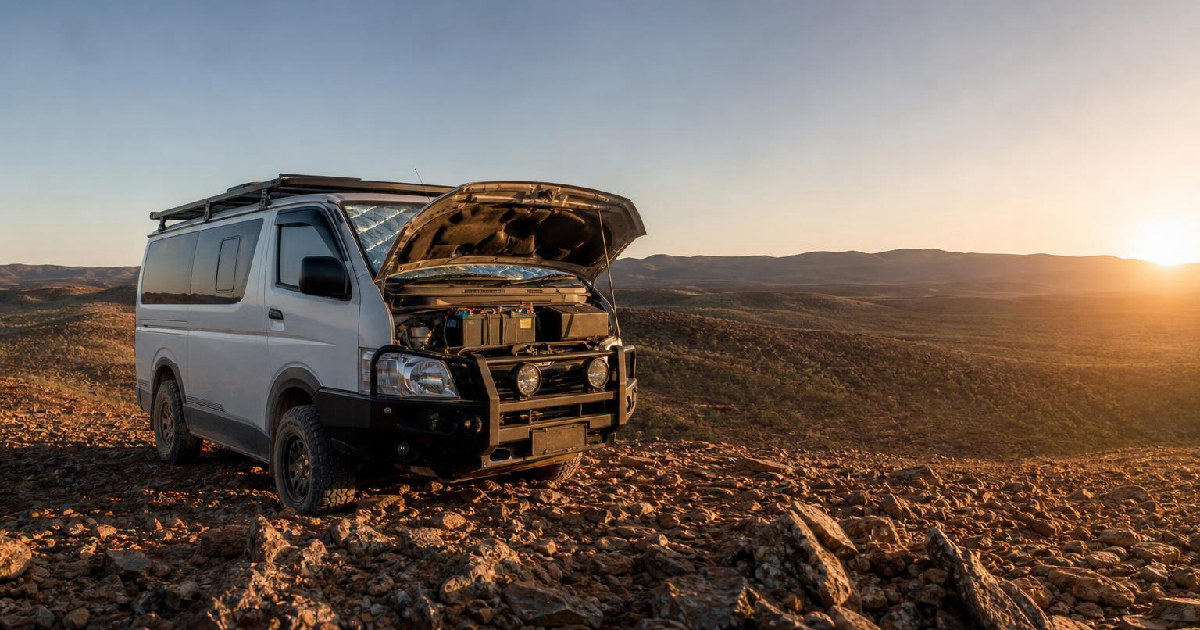
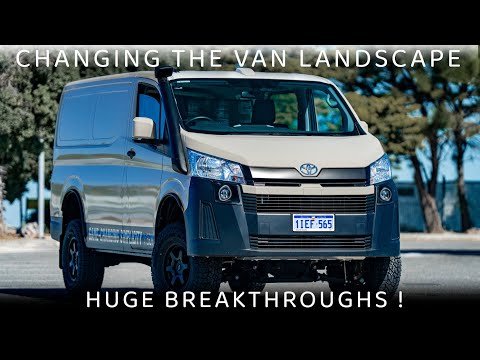
The clearest thing this video says, right away, is that the HiAce 4x4 is not being built as a showpiece. It is being treated like a working prototype with a very specific job: become a capable overland van without pretending it can simply copy the formula of a Troop Carrier.
That distinction shapes everything. Andrew St Pierre White is frank about the benchmark. The Troop Carrier has solid axles, and this HiAce does not. So the aim is not to claim parity. The aim is to get as close as possible to “good enough for purpose” while still creating a van that works in lousy weather, carries a live-in/live-out camper setup, and can be tested hard before the interior is finished.
That is a useful way to think about the whole project. Instead of chasing a fantasy spec sheet, the team keeps returning to the same question: what does this platform need to do well, and what is sensible to ask of it?
Tyres, rims and the moment the fit wasn’t as simple as it looked
A big part of this update centers on the wheels and tyres, because they affect both how the van performs and how it looks. The project has already had a lift and off-road tyres fitted, but the team is not satisfied with “more interesting.” They want the van to look fit for purpose, not like a delivery vehicle wearing a few rough accessories.
That is where the latest tyre decision comes in. The team had been working through size options and had already tested a larger tyre on the same rim. The logic seemed straightforward: if the diameter is the same and the narrower tyre should fit, the job ought to be simple. But the van pushed back. Under full lock, the tyre was hitting the bodywork.
That small but important moment tells you a lot about the project. This is not a build where every assumption survives first contact with the vehicle. The van is being asked to accept changes that sound obvious on paper, and the real-world fit has to decide what survives.
A week later, the new tyres arrived and the mood changed immediately. The narrower Falcon all-terrain option on the 16-inch alloy rim looked right to the people working on it, and the feeling in the workshop was that this was probably the correct balance. The team also made a point of choosing a size they believe won’t overstress unknown components. That restraint matters. They are not trying to make a monster truck. They are trying to make something dependable enough for trips where reliability matters more than the visual drama of larger rubber.
The other practical logic here is familiar to anyone who has watched serious vehicle builds for long enough: if a tested, approved size already gives enough capability for soft sand and overland use, why force the system to do more than it needs to?
A roof conversion that changes how the van can be used
Another major development lands with the camper roof conversion, and this is the kind of change that shifts the whole identity of the vehicle. The video shows the first fitted roof conversion by Headspace Campers in Queensland, and the result clearly leaves a strong impression.
What makes it stand out is not just that a camper lift has been done before. It is the way this one is being approached. The roof bed can be taken out of the way, which means the living area inside the van can be used more freely. That detail matters more than it might seem at first glance. In a compact van, anything that steals usable space has to justify itself. A solution that clears the interior when needed gives the project more flexibility and makes the van feel less locked into one arrangement.
The response in the video is telling: surprise, curiosity, and then a sense that the idea might actually solve one of the biggest problems in camper conversion. The roof system is not being treated as decoration. It is being treated as a working piece of the vehicle’s overall usability.
The 48V alternator: the electrical heart of the experiment
If the roof conversion changes the living space, the prototype 48V alternator changes the electrical future of the build.
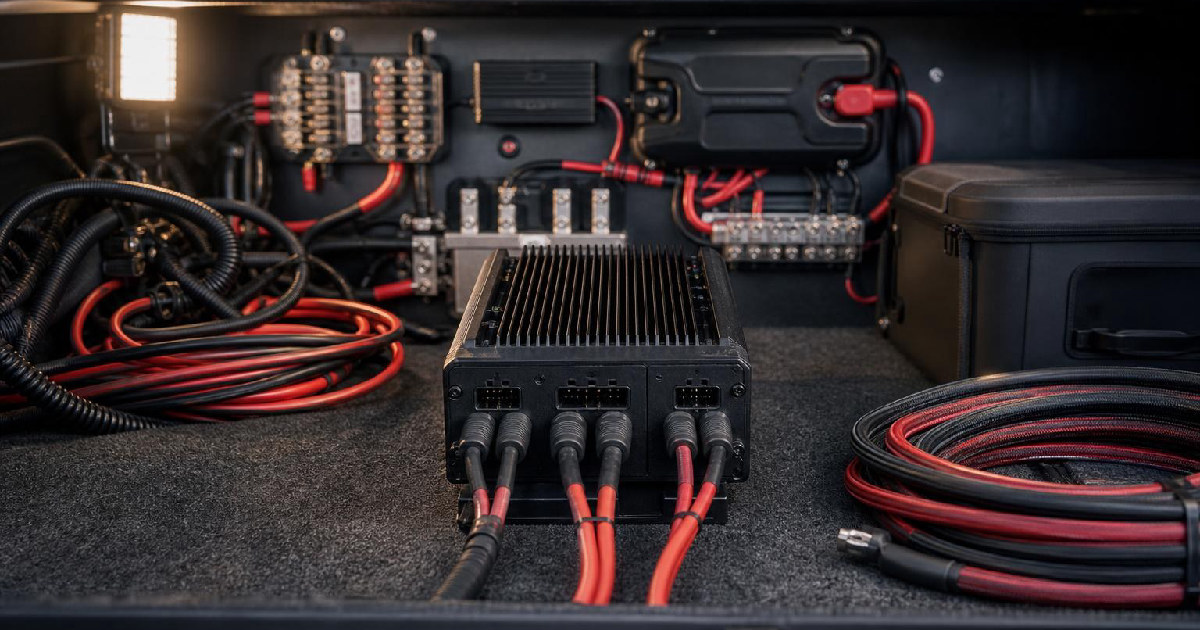
This is one of the most significant arrivals in the video, partly because of how long it has taken to get there. Andrew describes it as something he has waited about a year for, and the relief is obvious when it finally shows up. The alternator has been designed with an Australian company for Toyota’s 2.8L platform, with the aim of fitting the HiAce as well as other models in that family.
The technical ambition is clear enough from the explanation given in the video: this is a direct drop-in replacement, and when installed it will support the new system architecture rather than acting as a separate add-on. The team also notes that the setup is intended to remain reversible, so the standard 12V alternator can be put back in if needed. That is a sensible safeguard for a prototype vehicle, especially one that still has more testing ahead.
There is also an honesty here that makes the project more interesting. The alternator is not presented as a finished, flawless answer. Heat is a major concern, and more R&D is still required. That does not make it less important. It makes it feel like a real engineering step rather than a polished marketing reveal.
The promise, if the system works as intended, is substantial: the van should be able to charge the equivalent of a large 12V battery bank in about an hour of driving. For a vehicle that will be used as a test bed before the interior is built, that kind of output opens the door to serious overland electrical planning.
Why the next stage is testing, not decorating
The project has reached the point where the next phase is not about finishing touches. It is about making the van live with its systems before anyone locks in the final interior layout.
That means the HiAce will stay on site for weeks while the team works through sound insulation, the alternator installation, the 48V battery system, and the awkward realities of fitting equipment into a body shell that is not as roomy as it first appears. Andrew points out that, even though the van seems large, tolerances are tight because of the body’s curves and bends. The sliding-door kitchen prep table and the Maxtrax table both have to fit into a space that does not leave much margin for error.
This is a build where the sequence matters. First the outside, then the electrical backbone, then the testing trip, and only after that the full interior decision-making. That may feel slow to people who want to jump to the finished camper reveal, but it is exactly what makes the project credible.
The team is not trying to skip the hard part. They are trying to learn what the van can really support before committing to a layout that would be expensive to undo.
What this HiAce says about overland builds that prioritize reliability
There is a clear philosophy running through the whole video: use the parts that make sense, test them before escalating, and don’t confuse bigger with better.
That shows up in the tyre choice, where a known and approved size is preferred over a more aggressive but untested option. It shows up in the alternator, where the project is intentionally building a system that can later be reversed if necessary. And it shows up in the roof conversion, where usable space matters as much as the novelty of the hardware.
The result is a build that feels grounded. It is ambitious, yes, but not careless. The HiAce 4x4 is being asked to become a compact overland vehicle with real capability, and the team is working through the problem one decision at a time instead of trying to force an identity onto the van before it has earned it.
That is why this update lands as a milestone, not just a parts list. The vehicle is beginning to look the part, but more importantly, it is starting to reveal the logic behind the build.
Watch the original video: https://www.youtube.com/watch?v=C50HJ6tkqXQ
RECOMMENDATIONS
All About The Life designs from Texas Thread Theory, inspired by the places you go and the stories you bring back.

Go Somewhere. Do Something.
A high-energy adventure design built around the message “Go Somewhere. Do Something.” With travel-inspired route and destination details, it’s made for anyone who is always looking for the next road trip, day trip, weekend escape, or excuse to get out and experience something new.