Why swamp cabbage is the real star of this birthday cookout
A birthday cookout can be about cake, gifts, and the usual round of family photos. This one has all of that energy, but the food tells a much more specific story. At The Sanctuary, Robert Arrington is cooking swamp cabbage alongside Boston butt and ribs, and that puts a Florida tradition right at the center of the day. The video does not treat swamp cabbage like a side note. It is the dish that gives the meal its identity.
For readers who have heard the name but never had a real explanation, the short version is simple: swamp cabbage is the tender heart of the sabal palm, cooked as a traditional Florida dish. UF/IFAS has documented that connection as part of the state’s food history, and it matches what is shown here on the property. The ingredient is cut from the palm, trimmed, and then cooked slowly with aromatics so it becomes something you can actually sit down and eat.
That matters because swamp cabbage is one of those foods that sounds unusual until you understand the setting. In the video, it is not presented as a novelty. It is treated as a familiar, satisfying meal that belongs on a table built around family, work, and land.
What swamp cabbage actually is in Florida cooking
Sabal palm heart, tender growth and the bitter center
Swamp cabbage comes from the sabal palm, also known as the Florida state tree. The part people want is the tender heart inside the young growth. The outer layers and bitter center need to be worked through before the edible portion is ready. That is why the cooking starts long before the pot goes on the heat. Cutting, trimming, and breaking down the palm heart is part of the recipe, not just prep work.
In the video, the process makes a larger point: swamp cabbage is a food with a frontier feel, but it is not rough or random. It depends on knowing where the tender part starts, where the bitterness lives, and how to handle it so the final dish is soft and full of flavor instead of sharp and woody.
Why tomatoes, onions and celery show up in the pot
The video also gives a practical clue that helps explain how swamp cabbage stays appealing: it is cooked with tomatoes, onions, celery, garlic, basil, and oregano. That combination is doing more than adding seasoning. Tomatoes bring acidity, and acid helps keep the cabbage from turning brown while it cooks. The result is a pot that stays bright enough to look good and deep enough to taste like it has been building flavor for hours.
That detail answers one of the most common questions around swamp cabbage recipes. If you are wondering how to cook swamp cabbage so it doesn’t lose its color or turn dull in the pot, the answer often starts with acidity. Tomatoes are a simple, old-school way to help with that.
How this cookout builds flavor beyond the swamp cabbage
Boston butt, ribs and the smoker setup
The meal around the swamp cabbage matters just as much as the cabbage itself. Robert is also smoking a deboned Boston butt and ribs, and he makes it clear that the pork is part of the flavor base for the cabbage. The meat is seasoned, smoked, and held so it can finish while the rest of the meal comes together.
That pairing makes sense in a Florida cookout context. Swamp cabbage is rich enough to stand on its own, but pork gives it another layer, turning it from a side dish into the kind of pot people gather around. The smoker also sets the tone for the day: this is slow food, built from heat, time, and attention.
Wide egg noodles, corn and the rest of the plate
There is a comfort-food logic to the rest of the spread too. Wide egg noodles show up, along with corn, and the finished meal feels less like a one-dish experiment and more like a birthday table full of practical favorites. The video keeps circling back to taste, steam, and the moment the food is finally ready, which is exactly how outdoor meals usually work. Everyone waits, then everyone eats.
That is part of the appeal of a swamp cabbage recipe. It does not ask for a lot of polish. It asks for enough heat, enough patience, and the right ingredients to carry it.
What the Sanctuary setting adds to the meal
A birthday gathering that feels like a working homestead
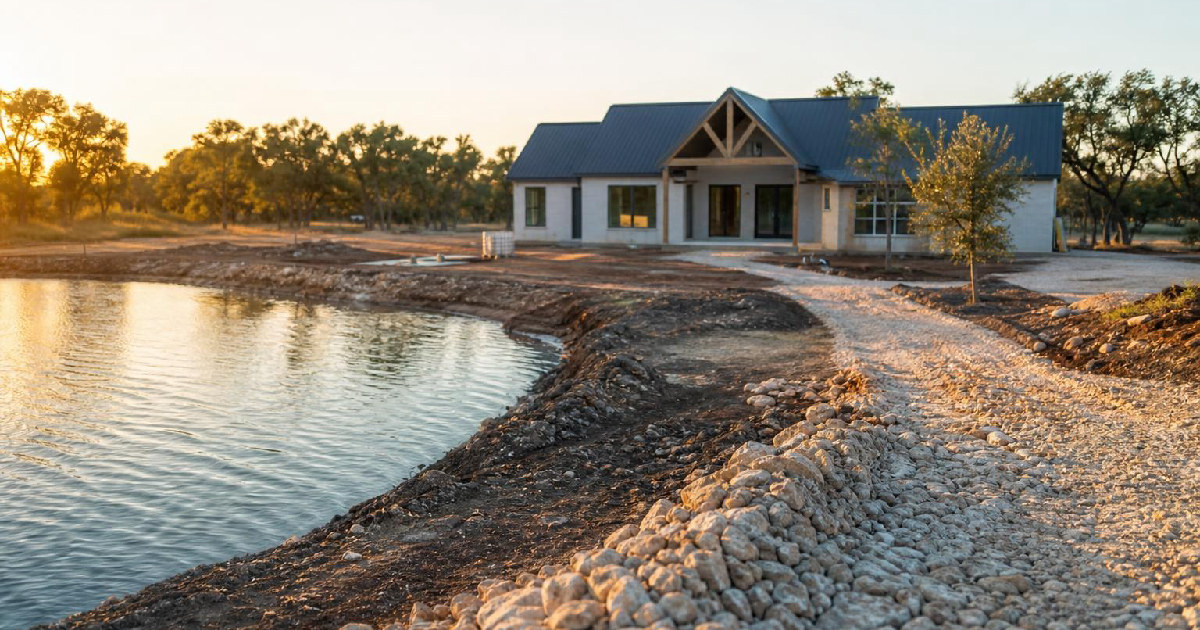
The setting at The Sanctuary gives the whole cookout a different weight. This is not a manicured party space with no trace of the work behind it. It is a property where dirt gets moved, equipment gets used, and the day can swing from land chores to birthday celebration without a hard break in the middle. That makes the meal feel grounded.
Sarah’s birthday is the occasion, but the larger picture is family life in motion. People come and go, the smoker stays hot, the food keeps moving, and the celebration grows out of the work instead of replacing it. That is why the swamp cabbage feels so right here. It belongs to a place where practical skills, outdoor living, and family time all overlap.
Why the pond, land work and family rhythm matter
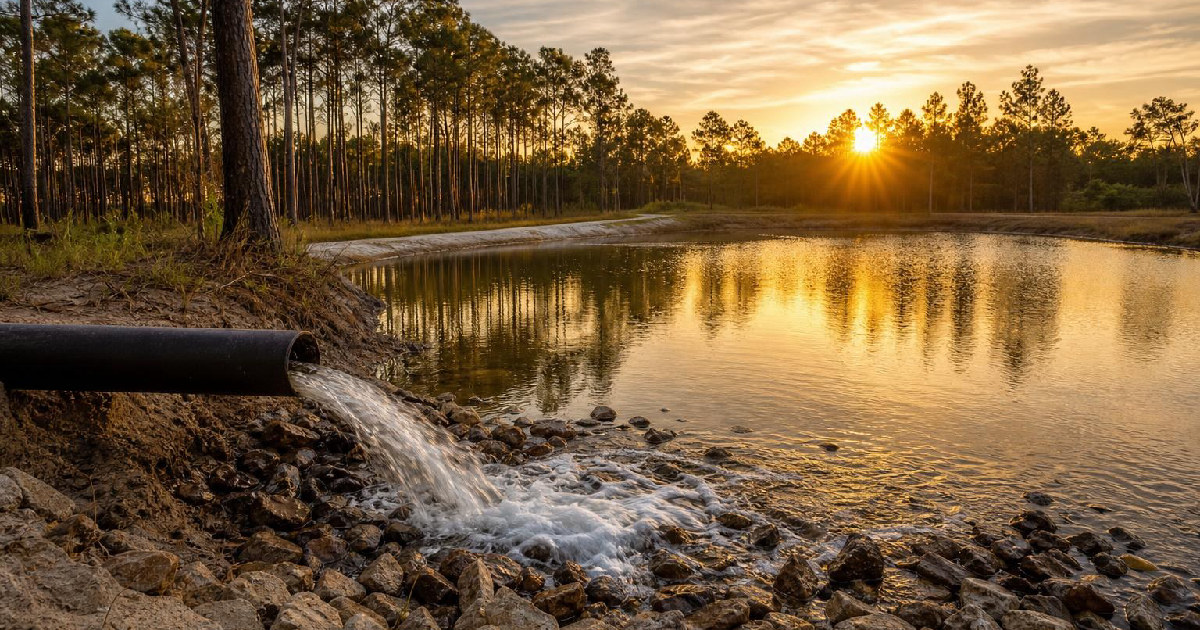
The video keeps reminding viewers that The Sanctuary is not just a backdrop. The pond, the land improvements, the truck trouble, the equipment, and even the floating toys all help show what kind of life this is. It is busy and messy in the way real properties are busy and messy. The cookout lands in the middle of that reality.
So when the meal arrives, it is doing more than feeding people. It is marking a day, showing off a piece of regional food knowledge, and fitting into a household where outdoor work and family celebration happen in the same breath.
When readers can trust the food context
Creator footage plus UF/IFAS background on sabal palm preparation
If you want the clearest answer to the question of what swamp cabbage is, the combination of the video and UF/IFAS background works well together. The footage shows how the dish is prepared in practice: cut the sabal palm heart, work through the bitter parts, cook it with pork and vegetables, and let it go slowly until it is ready. UF/IFAS adds the broader Florida context by noting that the tender heart of the sabal palm has traditionally been prepared as swamp cabbage.
That makes this video useful even if you came for the birthday party itself. It becomes a quick guide to a traditional Florida dish, a reminder that some of the state’s most recognizable foods come from the land itself, and a good example of how a family cookout can carry local history without trying very hard.
If you want to watch the full birthday cookout and see the swamp cabbage come together at The Sanctuary, the original video is here: https://www.youtube.com/watch?v=_8cq0-QaZRs
RECOMMENDATIONS
All About The Life designs from Texas Thread Theory, inspired by the places you go and the stories you bring back.
Try The Local Stuff
A vintage travel-and-food design encouraging you to “Try The Local Stuff.” Inspired by markets, local ingredients, destination scenery, and the thrill of discovering something new, it’s made for travelers and food lovers who believe tasting a place is part of experiencing it.