The last day in the Keys is about timing, not just fishing
The cleanest way to read this video is as a final-day Florida Keys outing where everything is happening at once: weather, family time, fishing, and dinner plans all moving in the same direction. The crew knows a storm is building, but that does not stop the day from unfolding. Instead, it gives the trip a little urgency. They are not trying to stretch the moment into something bigger than it is. They are simply making the most of the last day while they still can.
That is the direct answer to what this episode is really about. It is a Florida Keys family fishing trip that becomes a catch-clean-cook day, with Sombrero Key, the East Cape, and the house kitchen all functioning like parts of the same story. The result feels complete because the video does not separate recreation from food or fishing from family time. It treats all of it as one rhythm.
Sombrero Key, chum, and the appeal of seeing fish up close
Early in the day, the focus shifts toward Sombrero Key, described as a park where the crew expects to see “amazing stuff.” That expectation matters. The episode is not only about catching fish; it is also about the experience of being near them, especially when chum is involved. The idea is simple enough: chum brings fish up, and once the water starts to stir, the snorkeling and surface activity become part of the attraction.
There is also a storm in the background, which adds a subtle tension without turning the trip into a weather drama. The thunder is there, the radar is checked, and the sky clearly has plans of its own. But the family still keeps the day moving. That balance is part of what makes the episode feel lived-in rather than staged. They are adapting to the conditions they already have, not waiting for perfect ones.
The manatee memory mentioned along the way also helps explain the tone of the trip. This crew is not only interested in the fish they can keep. They are the kind of people who notice the wildlife around them, remember old viral moments, and enjoy the simple surprise of seeing something up close in clear water.
A productive run on the East Cape
Once the fishing starts, the video turns into a practical demonstration of how this style of trip works. The East Cape boat is used to move into productive water, and the conversation quickly shifts into the language of marks, holes, keeper sizes, and what each fish is worth keeping. The emphasis is on reading the water and using the boat well, not just tossing a line and hoping for the best.
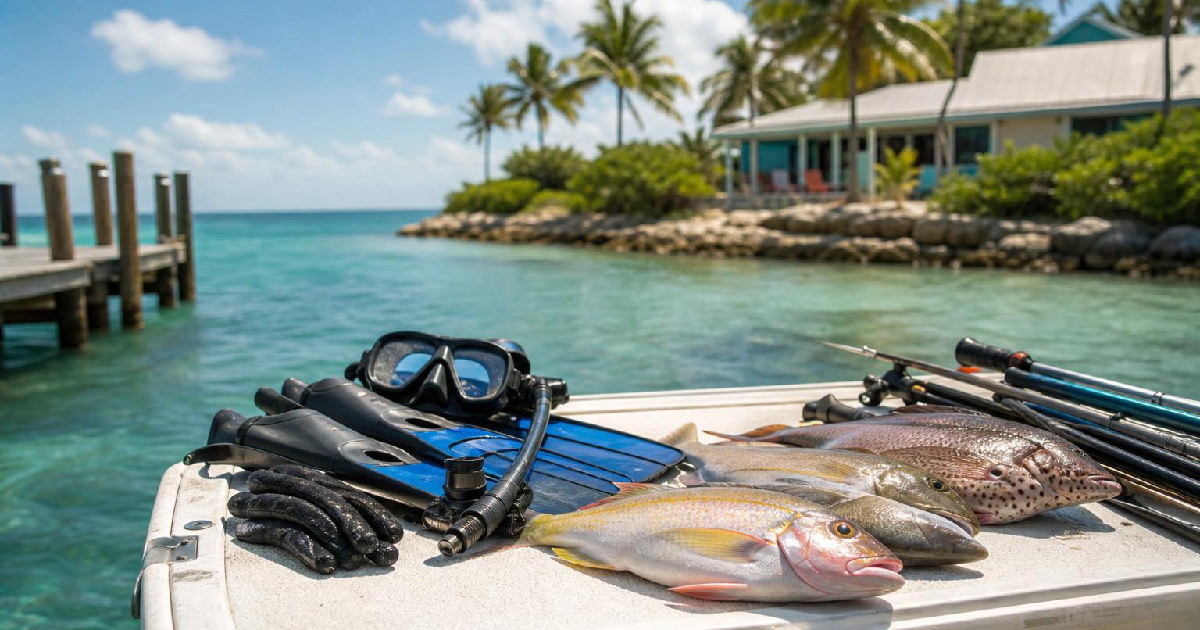
That matters because the episode shows a very specific kind of fishing knowledge at work. Robert is locating spots, calling out where fish are holding, and helping turn visual cues into catches. A red grouper comes first in the mix, followed by mangrove snapper and other fish working the holes. The crew keeps talking through keeper size and handling, which gives the fishing portion a working rhythm instead of a trophy-hunt feel.
Then the bigger surprise arrives: the bull shark moment. The transcript makes clear that the mood shifts when a giant bull shark and cobia show up. The line about “just when you think you’re relaxing” sums it up well. This is the kind of encounter that changes the temperature of a fishing day instantly. It is not overexplained or dramatized beyond the moment itself; it simply becomes one more reason the Keys keep delivering unexpected action.
Why the dinner matters as much as the catch
The second half of the episode is where the whole trip clicks into place. The fish are cleaned, the boat is wrapped up, and the kitchen takes over. That transition is important because the meal is not a bonus scene. It is the point where the day becomes complete.
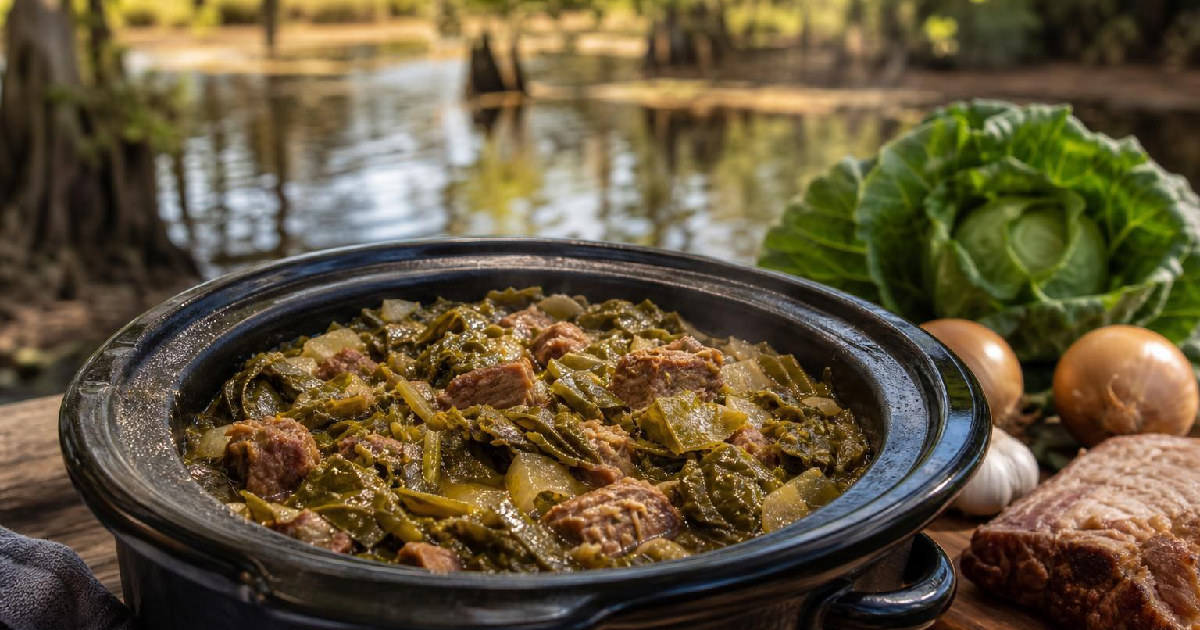
The dinner built from the day’s catch is layered with details that make it feel earned. There is red grouper, mangrove snapper, caramelized corn, grits, mango salsa, citrus, onion, honey, and spice. The ingredients are not presented like a formal recipe. They are part of the family workflow of making use of what came from the water and what came from the house. The mangoes from the father’s tree add an especially personal note, and that detail gives the meal a stronger sense of place than any restaurant dish could.
There is also a nice contrast in the kitchen scenes. One person is cleaning fish, another is building the salsa, someone else is handling the grits, and everyone keeps trading comments as the meal comes together. It feels like the same team effort as the fishing itself. The catch does not stop at the dock; it keeps moving until it reaches the plate.
What this episode says about the trip as a whole
The strongest thing about this video is how plainly it treats the trip as a shared memory rather than a performance. There are boats, fish, storms, and a lot of talk about what was caught, but the emotional center stays with the family. The transcript keeps returning to gratitude: for the house, for the week, for the help, for the food, and for everyone being together.
That is why the Florida Keys setting matters so much here. Sombrero Key is not just a backdrop, and the East Cape is not just a boat ride. They are the places where the trip’s best moments happen naturally. The snorkeling, the fishing holes, the shark sighting, the cleaning table, and the dinner all belong to the same day. Nothing feels disconnected.
If you are looking for the simplest way to describe the video, it is this: a last day in the Keys that starts with weather on the horizon and ends with a table full of fish, fruit, and family. The action is good, but the structure is what makes it memorable. It moves from water to boat to kitchen without losing its sense of purpose.
The result is a companion feature that fits the video’s real strength: not one giant event, but a sequence of small, well-used moments that turn an ordinary last day into a satisfying finish.
Watch the original video: https://www.youtube.com/watch?v=6gkCnfXqnKU
RECOMMENDATIONS
All About The Life designs from Texas Thread Theory, inspired by the places you go and the stories you bring back.

Worth The Detour
A road-trip-inspired AATL design for scenic routes, mountain drives, back roads, and the unexpected stops that become the best part of the trip.