The Sanctuary is moving from raw ground to a working home base
The clearest way to read this update is simple: the Sanctuary is no longer just a big piece of land with plans attached to it. It is becoming a place with shape, function, and a routine. The third pond has started, the house is farther along, the air conditioning is underway, and the land itself is being reworked so that water, vehicles, and eventually people all fit into the same picture.
That is the direct answer to what is happening in the video. Robert Arrington is showing a property in transition, where each job depends on the one before it. Drain water first. Move dirt next. Pull out debris. Fill the low spots. Build the driveway. Then, eventually, finish the spaces around the house and turn the whole thing into something livable.
Why the third pond starts with drainage, not drama
The pond work does not begin with a dramatic reveal. It begins with a sump hole, a pump, and a lot of muddy ground. That opening detail matters because it tells you how this kind of build really works. The water has to go somewhere before the digging can go anywhere.
Once the pump starts pulling water out, the crew can start shaping the hole and managing the muck. The video makes it plain that this is not random digging. It is planned dirt work with a sequence: drain the area, level it, move the debris, and use the right equipment for each step. The off-road dump truck, the bulldozer, and the excavator all have a job in the same system.
The land also reveals more than expected once the hole gets deeper. Shell rock shows up, then natural springs begin bubbling at the bottom. That changes the feel of the whole project. This is no longer just a dry excavation site being reshaped by machinery. It is land that has its own water movement and its own underground behavior, which means the pond is being built in conversation with the property itself.
A lot of the video’s energy comes from that push and pull between control and discovery. The team can move dirt, but they also have to respond to what the ground gives back.
House details that show the property is finally taking shape
The house update is quieter than the earthmoving, but it says a lot. The building is fully shelled in, metal has gone up, and air conditioning work has started. Those are not flashy milestones, but they are the kind that make a place feel real.
Robert’s wife points out a few of the finishes that are coming next: stained wrapped posts, stone at the bottom of those posts, stained exterior doors to match, and tongue-and-groove wood under the porch area. Even with some parts still unfinished, the house already has an identity. It is moving away from raw framing and toward a finished look that fits the rest of the property.
That is why the house portion of the video works as more than a construction update. It shows the same pattern as the pond work: build the base first, then layer in the details. The result is not just shelter. It is a home that feels tied to the land around it.
The land keeps telling the crew where things should go
A lot of the most useful information in the video comes from the way the land behaves. The muddy low spots show where water wants to sit. The higher ground marks where the team wants to build up. The shell rock will not grow grass, which is why it becomes driveway material instead of leftover fill. Even the trees matter, because the future pond edges will need to work around what is already there.
There is a practical kind of attention in those observations. The crew is not acting like the land is blank. They are reading it. Water flows one way. Roots spread a certain way. Some trees are better left alone, and some have to come out because they sit in the wrong place for the planned pond shape.
That sort of decision-making is what keeps the Sanctuary from feeling like a random construction site. It feels like a property being learned in real time.
The day’s work keeps spilling into family life
One of the reasons the video feels grounded is that the work never stays separate from family life. Robert is moving dirt and running equipment, but he is also handling lunch, checking in with the dogs, talking through the property, and then shifting gears into a completely different kind of evening.
That change matters. The day moves from machinery and muck to a family meal, and the tone changes with it. There is still a sense of work being done, but the video keeps reminding you that this property is being built around a household, not the other way around.
Even the small moments carry that rhythm. A lost camera gets found. The dogs get treats. Someone is looking for glasses. Battery packs get discovered behind a couch. Those details are ordinary, but they make the larger project feel lived in rather than staged.
Later, when the family sits down for lobster, the scene lands as the opposite of the muddy morning. The property work has not ended, but the day has clearly found its center again. That balance between hard labor and family table is part of what gives the Sanctuary update its shape.
A property project that is also a family project
The bigger takeaway from this video is not just that a pond is being dug or that a house is getting closer to finished. It is that the Sanctuary is becoming the setting for a whole way of life. The land work, the driveway, the utility setup, the house finishes, the fishing camp logistics, and the family dinner all belong to the same story.
Even the separate pieces of the day reinforce that. Robert moves from the Sanctuary to Indian Mound Campground, where utilities and concrete work are part of the picture too. The property build is not isolated. It connects to where they stay, how they move equipment, how they plan the land, and how they use the places around them.
That is why the third pond feels important. It is not a side project. It is part of the larger design for the Sanctuary, just like the driveway, the barn plans, the house finishes, and the future grass and sod. The pond changes the land. The house changes how the land is used. And the family’s daily routines show what all of it is for.
In the end, this video is less about one big reveal than about visible momentum. The Sanctuary is coming together one careful job at a time, and the satisfaction in the footage comes from that progress being plain to see.
Watch the original video: https://www.youtube.com/watch?v=DbHm4bfnO3Q
RECOMMENDATIONS
All About The Life designs from Texas Thread Theory, inspired by the places you go and the stories you bring back.
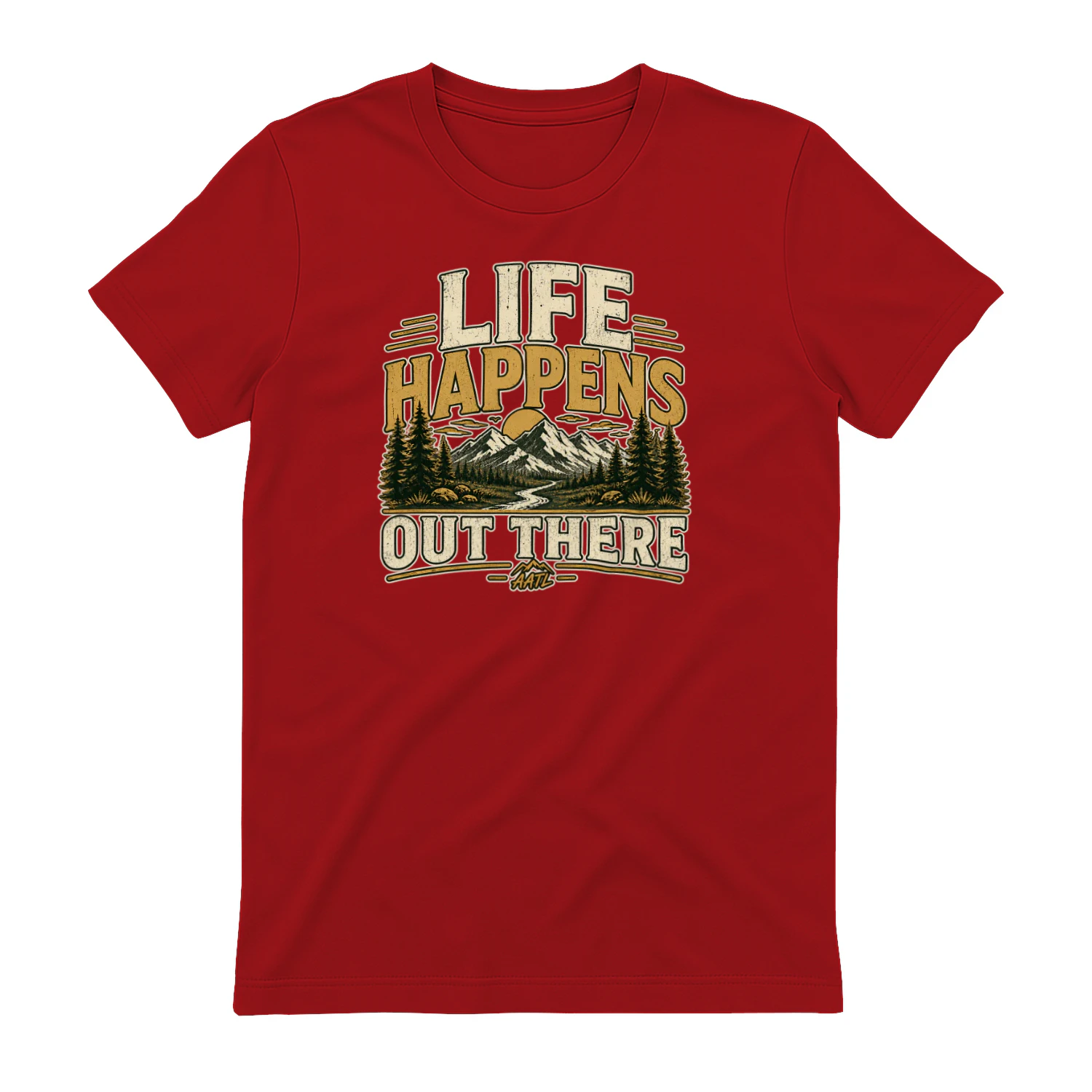
Life Happens Out There
An outdoor-focused AATL design celebrating mountains, forests, hiking, camping, road trips, and the simple idea that life happens when you get out there and explore.