Why Florida is the real subject here
The plain answer is that this video is about a first-time Florida hog hunt and a catch clean cook. But the more interesting thread is the one running underneath it: FLAIR is trying to answer a bigger question about where he should live, and Florida keeps putting its case forward one encounter at a time. The hunt becomes a kind of field test for that question. Can a Nebraska creator, used to a different pace and different animals, make sense of hunting in Florida? And does the state offer enough to justify staying?
The video keeps circling that idea without overexplaining it. Rather than treating Florida as a postcard backdrop, it shows the place as a working environment with neighbors, thick cover, feeders, hog pressure, and a very particular kind of outdoor rhythm. That makes the outing feel less like a novelty and more like a first lesson.
A neighborly welcome, Midwest style
Before anyone heads for the woods, the video spends time on something simpler: hospitality. A neighbor drops off cookies, FLAIR returns the favor with jerky, and the exchange sets the tone. This is not just comic relief. It is the social frame for the whole episode. FLAIR is clearly trying to plug into the local way of life while bringing some of his own Midwest habits with him.
That contrast keeps showing up. The video leans into the idea of “Midwest nice” meeting Florida life, and the neighbors help make the move feel less abstract. One of them becomes the bridge between the creator’s old world and the new one, and the conversation about Florida is almost as important as the hunt itself. What is there to do here? Why stay? What makes the state feel like home?
Those are ordinary questions, but they give the episode a useful shape. The hunt is not random. It is part of an attempt to understand a place through the people who already live there.
Why the hunt got harder the closer it got
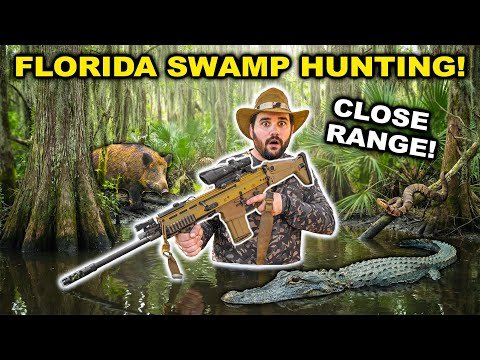
The core action of the video is a lesson in how Florida hunting changes the rules. The group is not set up for a long-range, sit-and-wait kind of day. They are moving through dense cover, hunting hogs in thick palmetto country, and trying to do it at close range with handguns. That is already a different mindset from the kind of hunting many viewers might expect.
Again and again, the video makes the same point in different ways: these hogs are not easy targets. They are fast, smart, and hard to pin down. Once they scatter into the thick stuff, the whole scene turns into a test of nerves and timing. The creator’s frustration is part of the story, but so is the logic behind it. If hogs are bedding in the cover and using the terrain, then every decision has to be cleaner and quicker than it would on open ground.
That is where the Florida angle matters most. The hunt is not just “different” because it is in a new state. It is different because the land itself demands a different kind of patience and a much tighter margin for error.
The handguns, the SCAR, and the team split
One of the funnier running debates in the video is the gear split. FLAIR wants the SCAR; the handgun route is the one that feels like work. The back-and-forth is not really about style points. It is about confidence, distance, and who gets to choose the terms of the hunt.
The SCAR comes up as the easier path and the more appealing one, while the pistols are tied to close encounters and more pressure. That tension pays off because it mirrors the rest of the day. If the goal is just to get a hog, more reach seems like the obvious answer. But if the point is to prove you can do the Florida version of the hunt, then the harder option becomes part of the challenge.
The video also uses team play to keep the hunt from feeling repetitive. Team Florida and Team Nebraska become a playful rivalry, but the rivalry has a real edge to it because the terrain does not care which side you are on. You still have to move quietly, spot the animal, and make the shot count.
When the hunt finally connects
The most satisfying part of the hunt is not the build-up; it is the moment one of the group finally connects on a hog after a careful stalk. The video makes a point of showing how close they get, how fast the animal moves, and how quickly the situation changes once the animal is spotted. That is what gives the successful shot its weight.
The result is a reminder that this kind of hunting is less about volume and more about timing. The team has to read the terrain, move with more discipline than they started with, and accept that the hogs will not make things easy. When a shot lands, it feels earned because the whole episode has already shown how many chances can slip away.
What stands out is how the video does not pretend the hunt is tidy. There are misses, near misses, and a lot of explaining afterward. That honesty makes the successful shot feel more believable. This is not a hunt where everything goes according to plan; it is a hunt where one solid connection matters because the rest of the day has been hard.
What the cook says about wild hog meat
The catch clean cook brings the episode back to the practical side of outdoor life. The hog is slow-cooked with stock, seasoning, and barbecue sauce, then served on toasted buns with a few extra sides and snack experiments around the edges. That part of the video does two things at once: it rewards the hunt, and it shows what wild hog meat is like when you actually sit down and eat it.
The texture becomes the main talking point. The group likes the flavor, but they are honest about the chew and dryness. That matters because it keeps the cook from turning into a neat victory lap. Instead, it reads as a real kitchen result from a real hunt: usable, flavorful, but not perfect. The meat clearly works better when broken down more fully and given enough sauce or moisture to settle into the sandwich.
That honesty is useful. It tells viewers what the meal was actually like without dressing it up as restaurant food. The result is still satisfying, but the video leaves room for the idea that wild hog can be worth eating while also benefiting from a better approach next time.
Why this video works as a Florida litmus test
The strongest thing about the episode is that it never forgets the question underneath it all: should FLAIR stay in Florida? The cookies, the neighbors, the hog hunt, the thick cover, the challenge of close-range shooting, and the final meal all feed into that one larger decision. Florida does not get defended with slogans. It gets defended by showing what life there actually looks like.
That makes the video work on two levels. On the surface, it is a hunting trip with a cook at the end. But as a companion feature, it reads like a real attempt to understand a place by participating in it. The state is not being sold as perfect. It is being experienced as active, slightly chaotic, and full of things that Nebraska simply does not offer.
For viewers trying to understand why this first swamp hunt matters, that is the answer. It is not just that FLAIR hunted a hog. It is that the hunt became a test of fit: a test of whether Florida feels like a place where his lifestyle makes sense.
Watch the original video: https://www.youtube.com/watch?v=uShbKm3vBuo
RECOMMENDATIONS
All About The Life designs from Texas Thread Theory, inspired by the places you go and the stories you bring back.
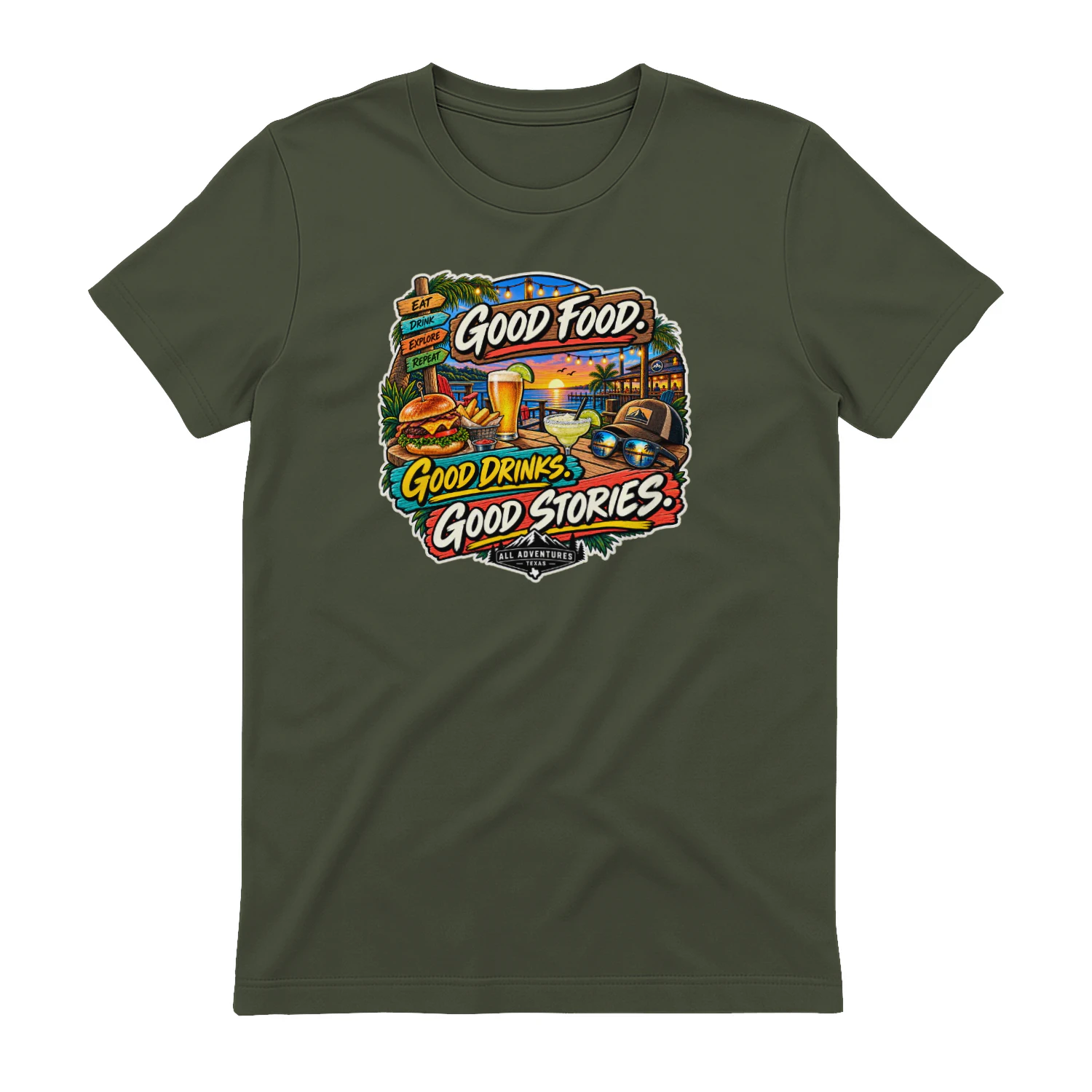
Good Food. Good Drinks. Good Stories.
A vintage-inspired food and nightlife design celebrating three things that make a night worth remembering: “Good Food. Good Drinks. Good Stories.” Perfect for restaurant lovers, cocktail fans, travelers, foodies, and anyone who believes the best experiences are even better when shared.