Opening day is about gear, plans, and a boat that still has a future
The clearest way to read this opening-day video is as a season kickoff that refuses to stay in one lane. It begins with duck-season gear and a sale, moves into a surprise boat reveal, turns into a cabin tour, and only then lands on the hunt itself. The direct answer is simple: this is an opening-day duck hunting video that doubles as a behind-the-scenes look at how FLAIR’s team is thinking about gear, housing, and future hunts.
That structure matters because the hunt is only one piece of the day. Before anyone even gets into the marsh, the video has already established the larger world around duck season: the warehouse is full, the new products are out, and the crew is trying to get ready for the months ahead. The tone is practical rather than polished. It feels like a working start to the season, not a ceremonial one.
Why the boat reveal matters before the hunt
One of the biggest through-lines in the video is the customized County Line Boats giveaway rig. The boat has already been out before, taken through river and marsh water, and then sent back for changes that reflect viewer ideas. In this video, it returns looking finished enough to impress the whole crew, even though it is still not fully done. There are still upgrades ahead, including future hunting setup work, but the boat is already carrying a clear identity.
What stands out is how specific the build conversation gets. The team points out lighting, turf, seating, porch pods, cup holders, and a built-in tape measure. None of that is treated like a generic list of accessories. Instead, the conversation is about making the boat useful for the way they actually use it. The result is a giveaway boat that feels less like a showroom piece and more like a working hunting rig with personality.
That also gives the giveaway some extra weight. This is not just a boat being shown off. It is a boat that is being prepared to go to someone else, which makes the surprise feel more meaningful. The boat is built up, admired, and shown to the rest of the crew, but the video keeps reminding you that it is ultimately meant to leave.
A cabin tour that doubles as a housing idea session
The stop at Banjo’s cabin adds another layer to the episode. On the surface, it is a tour of where everyone will stay for the night. In practice, it becomes a conversation about what kind of property setup makes sense for the future. They talk through cabins, barn-style living spaces, shipping containers, and tubular buildings as possible options for their own land. That gives the cabin segment a purpose beyond scenery.
The cabin itself is shown as a practical place, but one with enough warmth to suggest a model worth considering. There is a living area, kitchen, bedrooms, a loft, a bathroom, and enough room to make the hunt feel like more than a one-night stop. The crew keeps circling back to scale: is this too much house, is it the right size, or would a smaller version make more sense? That question is part of what makes the segment useful. It is not just a tour; it is a live comparison of living ideas.
The cabin also says something about the kind of hunt they are trying to build around their property. A good duck setup, in this world, is not only about the blind or the decoys. It is also about where you sleep, how you store gear, and how the whole operation comes together before sunrise. That context gives the rest of the video a little more structure.
Teal decoys, a long wait, and a better hunt than expected
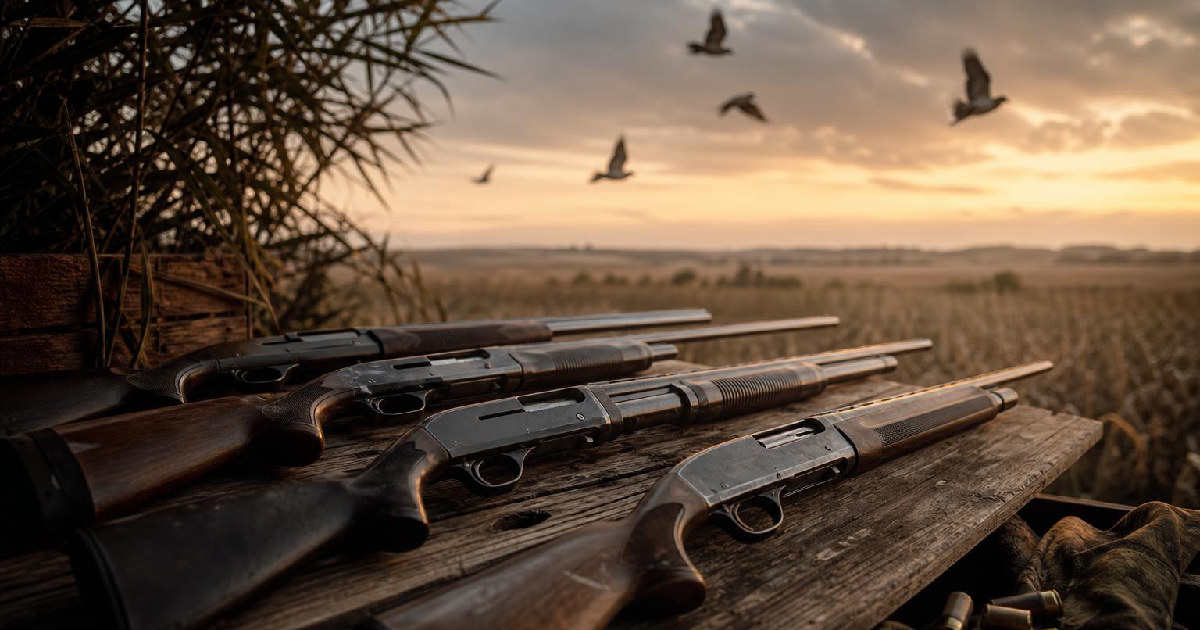
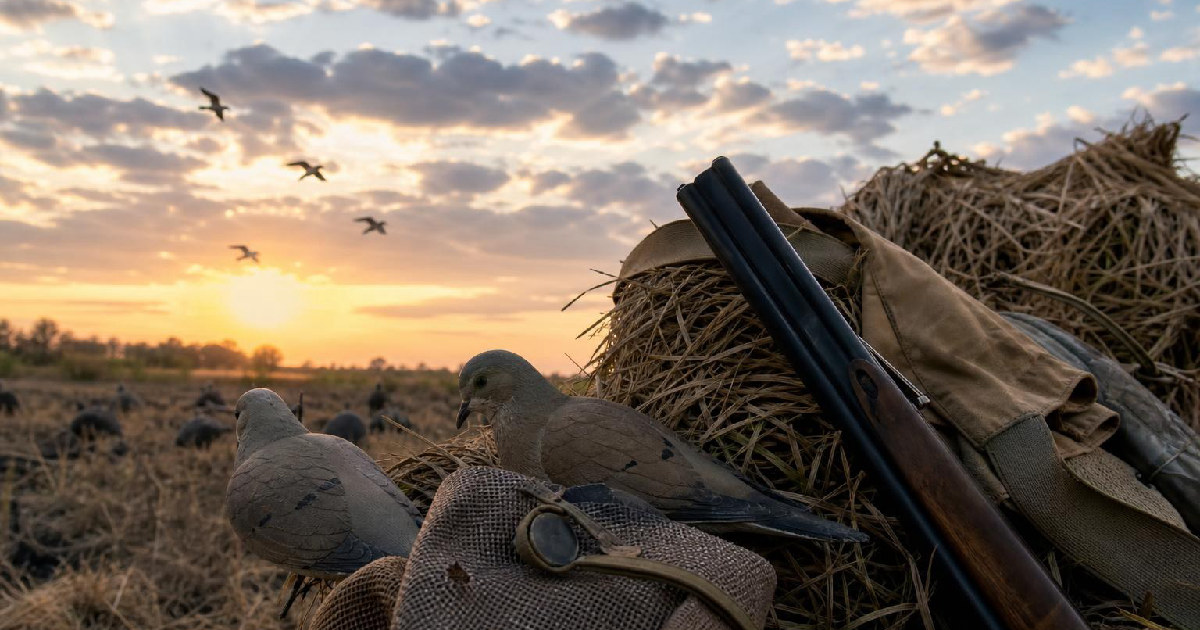
The hunt itself is built around teal decoys, and the video makes a strong case for why that matters. Early on, the birds behave in a way that seems almost too perfect. They land, swim, and hang out with the spread for a long time, to the point that the crew jokes about how long they are staying around. The direct answer here is that the teal decoys do exactly what they are supposed to do: they bring birds in and hold them long enough to create real opportunities.
The hunt is also shaped by timing. There are birds in the area, but the legal shooting window complicates things. That creates a stop-start rhythm where the crew has to wait, then act quickly when the moment comes. The result is a hunt that feels earned rather than easy. They do not just walk into a perfect setup and clean up. They have to work for the shots, and in at least one case, that means a long crawl into position before getting guns up.
The bullfrog segment adds a strange but memorable twist. The crew goes from ducks to frogs with complete seriousness, and it fits the day’s tone better than it might sound on paper. The frogs are legal, the setup is deliberate, and the shots become part of the wider catch-and-cook plan. If the duck opener is about adapting to conditions, the frog segment is about making the most of what the day gives them.
When the catch and cook becomes the rough part of the day
If the hunt is the success story, the cooking segment is the warning label. The group tries a bang-bang style preparation for teal and frogs, mixing sauces and coating styles in a way that sounds promising in theory. But once it comes together, the reaction is mixed at best. The frog legs end up better than the duck, and even then the team is clear that the cooking experiment is not the strongest part of the video.
That honesty is part of why the episode works. The crew does not pretend every new recipe is a win. They talk through the texture, the dryness, and the fact that some of the inspiration came from online ideas that sounded better than they tasted. The frog legs hold up better than the teal, which is probably the most useful practical takeaway in the whole catch-and-cook sequence.
For readers trying to understand the video, that contrast matters. The hunt performs. The food experiment mostly doesn’t. The day is still a success, but not because everything turned out perfectly. It is a good opening-day story precisely because it includes both the good and the bad.
What the video says about duck season at this operation
The bigger story here is not just that duck season opened. It is that the season opens inside an operation that already has moving parts: product drops, giveaways, boats, cabins, storage ideas, and the recurring question of how to keep improving the setup. The hunt is part of that larger system, not separate from it.
That is why the video feels broader than a simple opener. It shows the way duck season touches everything around it. Gear gets launched. A boat gets finished. A cabin gets debated. A hunt gets run. A meal gets tested. The best parts are the moments where the team is clearly figuring things out in real time rather than trying to present a finished story.
Watch the original video: https://www.youtube.com/watch?v=5Jx9IicJfHY
RECOMMENDATIONS
All About The Life designs from Texas Thread Theory, inspired by the places you go and the stories you bring back.
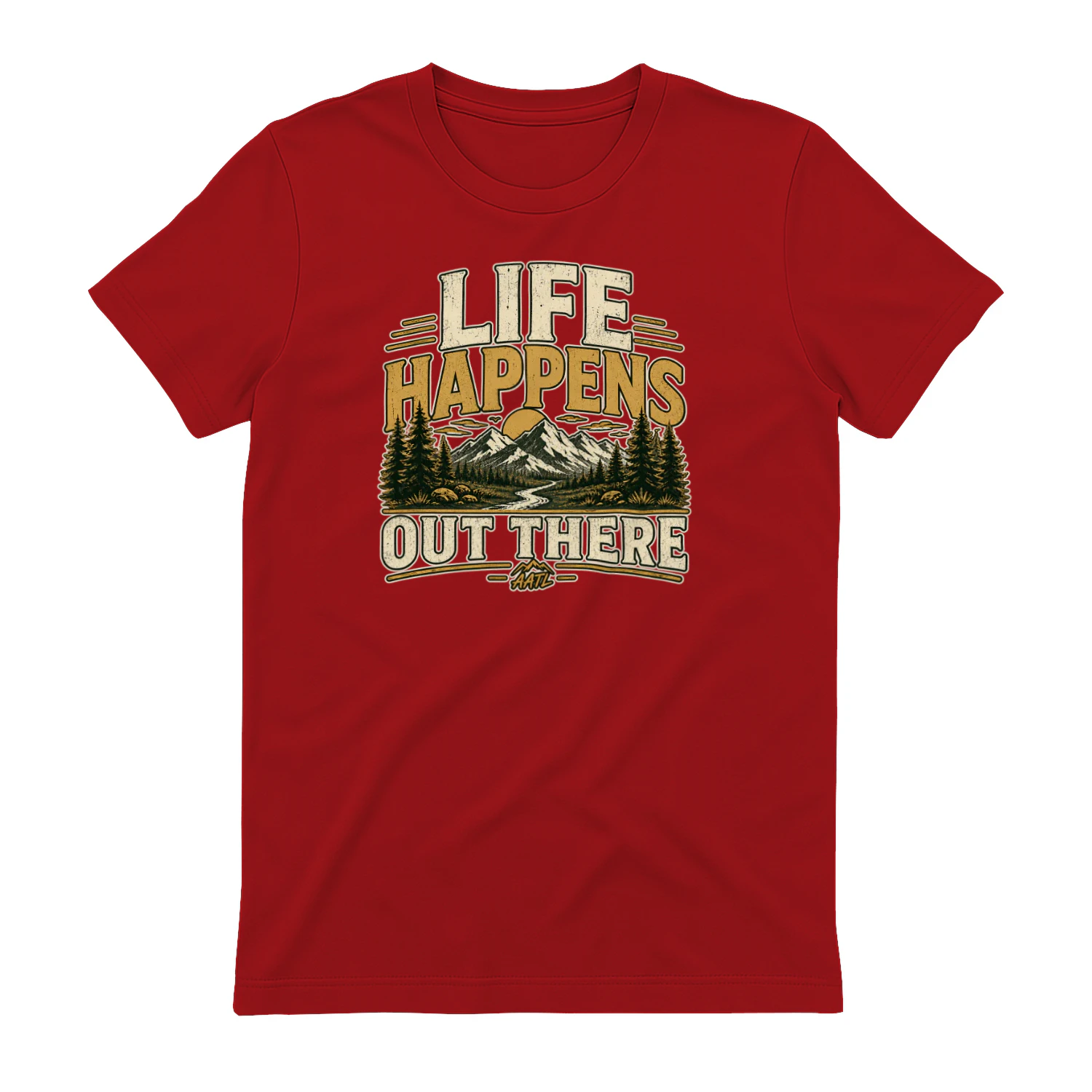
Life Happens Out There
An outdoor-focused AATL design celebrating mountains, forests, hiking, camping, road trips, and the simple idea that life happens when you get out there and explore.