The real experiment behind the barrel-count challenge
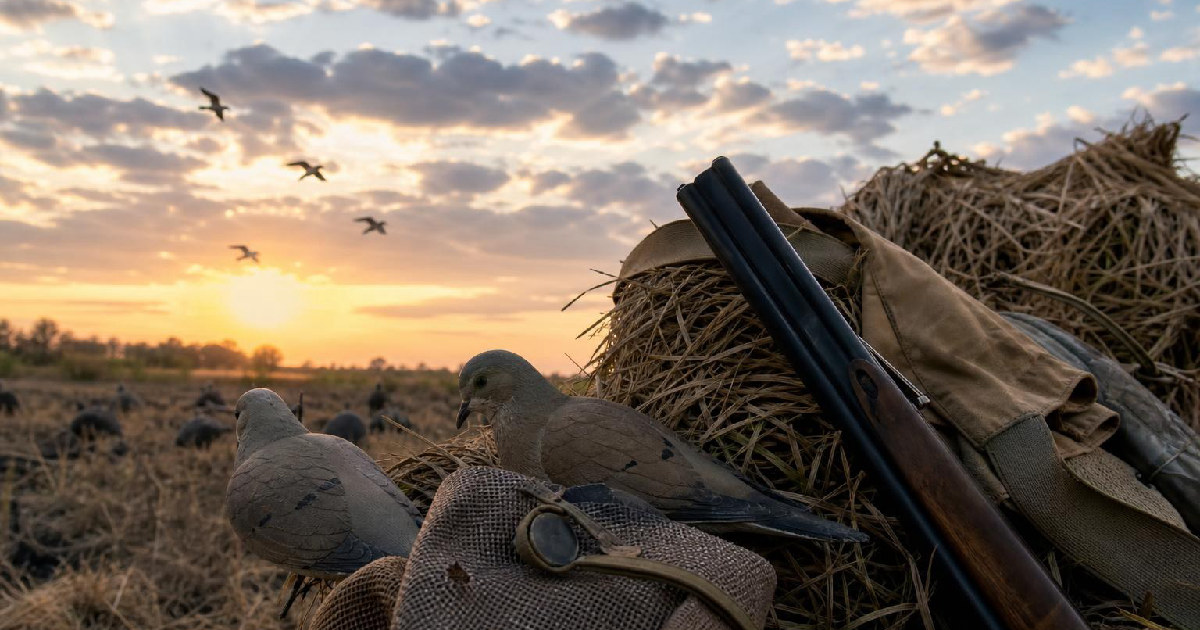
At first glance, this looks like a simple gimmick: single barrel versus double barrel versus triple barrel, then a dove hunt to see who can do the most damage in an hour. But the video works because the challenge is not really about barrel count as a novelty. It is about how different gun setups change the entire tempo of a hunt. Once the roulette wheel assigns the guns, the day becomes a live comparison of reload speed, trigger feel, gun weight, and the kind of confidence each shooter can carry into the field.
That is the direct answer to what is happening here. The video is a barrel-count hunting challenge built around a dove opener, and the whole point is to see how a single-shot setup stacks up against a double and a triple when the birds are moving and the clock is running.
Why the gun choices mattered more than the spin of the wheel
The roulette wheel gets the drama started, but the real story is in the gun rack. The crew spends a lot of time sorting through possible combinations, testing what counts as a single, what counts as a double, and what should be left out entirely. Some options are rejected because they do not fit the spirit of the challenge. Others are ruled out because they are too awkward, too slow, or simply unreliable enough to spoil the point of the whole experiment.
That sorting matters because the challenge depends on fairness. A single barrel only matters if it behaves like a true single. A double only matters if it gives the shooter two clean chances. The triple barrel, meanwhile, is the oddball of the bunch: heavy, unusual, and visually memorable enough that it feels like the wild card the moment it shows up. The video keeps returning to that contrast. One setup is built for simplicity, another for balance, and the triple brings pure novelty plus a lot of metal to manage.
That is why the challenge is more interesting than a random matchup. The guns are not just different in appearance; they create different habits. One shooter has to think carefully about every shot. Another gets a little more breathing room. The third gets more opportunities, but also more weight to swing around.
What the hunt revealed about pace, reloads, and confidence
Once the birds start coming, the comparison becomes practical instead of theoretical. The single-barrel setups create a hard kind of focus. There is no room to be casual, because every shot matters and the reload window is tight. That pressure makes the hunt feel sharper, but it also punishes hesitation. If a bird flashes by at the wrong angle, the shooter has to decide fast and commit.
The double barrels give a different rhythm. The crew notices that two shots are simply more forgiving, especially when the bird line is uneven or the first shot does not land cleanly. In a dove hunt, that extra chance can matter a lot. The gun can recover faster from a miss, and the shooter does not have to wait as long before trying again.
Then there is the triple barrel, which turns out to be its own kind of monster. It is heavy enough to change the way the shooter swings, but once the rhythm clicks, it becomes the most aggressive-looking tool in the whole field. The video makes a point of noticing how quickly it heats up and how strange it looks after repeated use. That detail does more than add flavor. It underscores the tradeoff the challenge is built around: more capability often means more bulk, more effort, and more to manage in the hand.
The result is not a neat laboratory-style conclusion. It is messier and more useful than that. The hunters talk themselves into and out of each setup in real time. They notice which one loads easier, which one feels better on the shoulder, and which one gives them enough speed to stay in the game when birds are crossing fast or appearing from the wrong angle.
Panther, pressure, and the little things that changed the day
The dog work adds another layer to the hunt. Panther is not just background noise; she is part of the pressure and part of the payoff. The crew keeps trying to settle her, because a breaking dog changes the flow of the field just as much as a slow trigger does. When birds are down, Panther’s job is to find them, and when she is keyed up too early, the hunt gets more complicated.
That tension makes the field feel alive. The hunt is not just a competition among barrels. It is a three-way relationship between shooter, gun, and dog. The better the team settles in, the better the whole setup works. That is especially important in a short shooting window where every missed opportunity matters.
There is also something revealing about how often the crew talks about comfort. Heat, glare, sweat, and the angle of the sun all show up as real factors. This is not a polished range test. It is a hunt with human problems: gear that feels heavy, a single shot that loads too slowly, and daylight that keeps shifting the whole plan. Those little frustrations end up shaping the final impressions as much as the hits do.
From field to kitchen: why the dove meatball sub lands
The second half of the video is a clean follow-through from hunt to meal. Instead of treating the birds as the end of the story, the crew turns them into dove meatballs and builds a sandwich around them. That choice matters because it gives the video a second purpose. It is not just about taking birds in the field; it is also about turning them into something recognizable, filling, and worth the extra work.
The sandwich direction is especially smart because it grounds the whole cook in a familiar reference point: the Subway-style meatball sub. But the video does not use that as a crutch. It uses it as a target. The dove meatballs are mixed, baked, simmered in marinara, then stacked with cheese and toasted until the whole thing feels closer to a homemade deli project than a quick camp meal.
What makes that work is the same logic that made the hunt interesting. Precision matters. The meatball texture has to be right. The sauce has to sit correctly. The cheese has to melt without turning the sandwich into a mess. By the time the crew starts tasting, the meal feels like a proper continuation of the morning’s effort rather than a separate segment pasted on after the fact.
A practical takeaway from the whole two-part video
The best part of this video is that it turns a barrel-count gimmick into a real lesson about hunting rhythm. A single barrel is compact but unforgiving. A double barrel gives more room to recover. A triple barrel adds speed and style, but also weight and complexity. None of those things are abstract once the doves start flying.
That same practical mindset carries into the cook. The crew does not just celebrate having meat; they work it into a recipe that feels intentionally tested and intentionally rough around the edges. The result is a feature that works on two levels: as a hunting challenge and as a field-to-table payoff.
If you are here for the hunt, the article version of this video gives you the cleanest read on why the barrel count mattered. If you are here for the cook, it shows how the dove haul turned into a surprisingly serious sandwich project. Either way, the underlying idea is the same: when the gear changes, the whole day changes with it.
Watch the original video: https://www.youtube.com/watch?v=7HOlg0GnOQQ
RECOMMENDATIONS
All About The Life designs from Texas Thread Theory, inspired by the places you go and the stories you bring back.
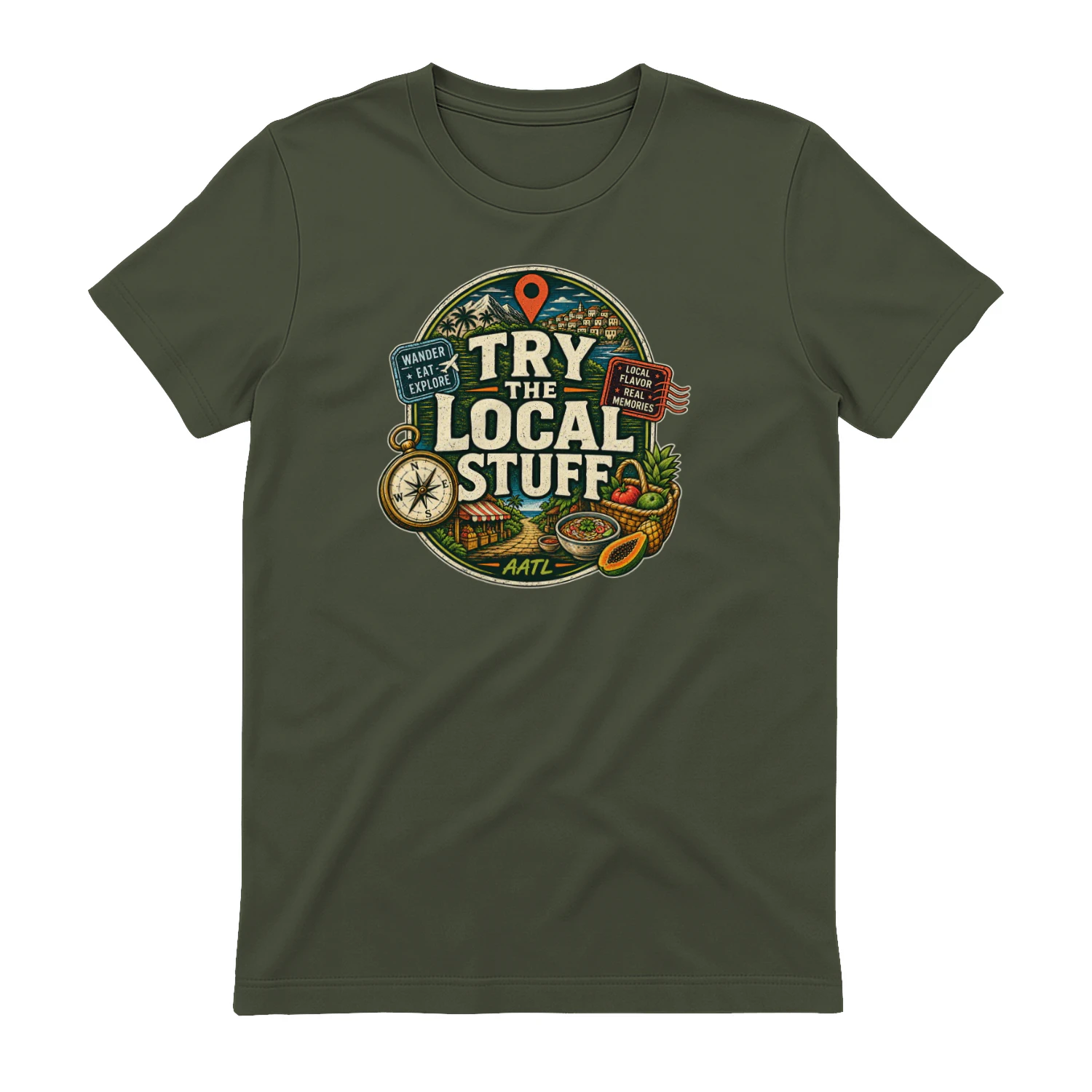
Try The Local Stuff
A vintage travel-and-food design encouraging you to “Try The Local Stuff.” Inspired by markets, local ingredients, destination scenery, and the thrill of discovering something new, it’s made for travelers and food lovers who believe tasting a place is part of experiencing it.