Why the hatchery got cleared out
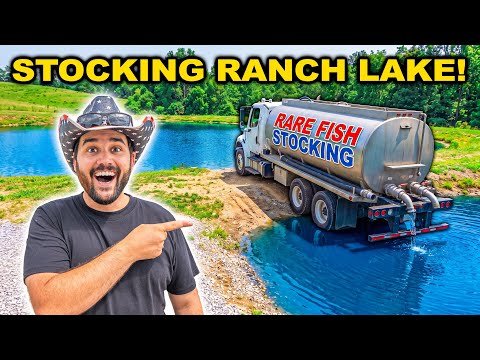
The cleanest way to read this video is as a fish-management reset. FLAIR says the hatchery bass had been fed multiple times and still were not growing the way he expected, even after a large bait bill and repeated effort. That frustration is the backbone of the whole day. Rather than keep pouring food into a system that was not producing the result he wanted, he decided to move the bass to the ranch lake, where the bait supply is naturally much better.
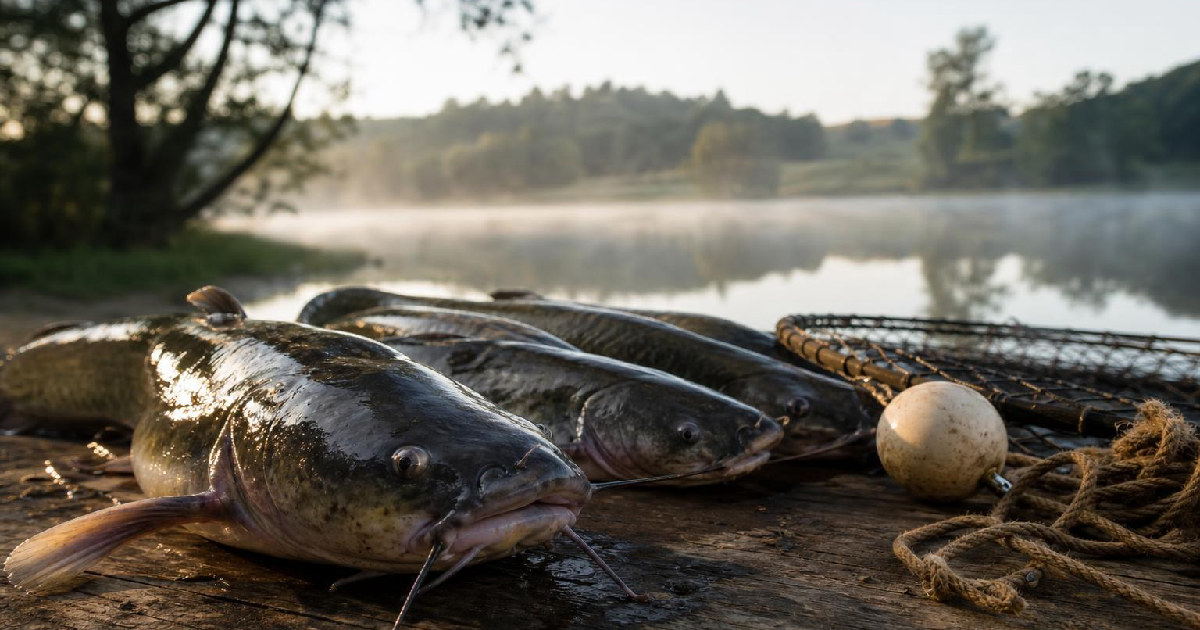
That is the video’s central answer in plain terms: the hatchery was not giving the bass enough of a return, and the ranch lake looked like the better home. He describes the ranch as a place with lots of bluegills and catfish, which made it the obvious candidate for relocating fish that needed more to eat.
The mixed bag headed for the ranch
What started as a straightforward bass transfer quickly turned into a broader stocking day. The crew expected one setup for one pond and another setup for the ranch lake, but the fish delivery came in mixed together. Instead of a neat split, FLAIR says they had to sort out what belonged where.
The bass were the priority, but the ranch lake ended up getting the more interesting additions. The video makes a point of holding back the surprise, then revealing that the ranch received fish FLAIR says he had never stocked in his ponds before. Those included wipers and perch, along with bluegills and minnows. He also says the ranch already has catfish and a strong bait base, so the hope is that the new fish can settle in and grow.
That mix matters because it changes the tone of the day. This is no longer just a rescue mission for underperforming bass. It becomes an experiment in whether a new group of species can thrive in a place with food, room, and a different kind of pressure than the hatchery pond.
Fishing the pond while the water dropped
One of the more useful parts of the video is how FLAIR and the crew adapt when the drainage does not go as planned. A pump issue slows things down, so instead of simply waiting for the pond to empty, they fish it while the water keeps falling. That gives the day a real working rhythm: drain a little, cast a little, sort a few fish, repeat.
The pond clearly still held bass that were willing to eat. The crew cycles through different presentations, from a plopper-style topwater attempt to more patient retrieves, and they figure out that the fish are still there even if they are not always easy to reach. At one point, the crew notices the bass schooling in a corner, and that becomes the most productive clue of the day. The message is less about a perfect technique and more about reading what the fish are doing in a tight, shallow, changing environment.
That kind of improvised fishing is what gives the video its shape. A pond drain sounds simple until it isn’t. Once the water level drops slowly and the fish stop behaving like they did at the start, the crew has to keep adjusting.
The day’s biggest complication was the plan itself
The video has a running theme of plans arriving in pieces. The transfer pump does not cooperate. The pond drains slower than expected. The original sorting idea gets muddled when the fish all arrive mixed together. Even lunch timing becomes part of the logistics. None of that is presented as disaster, just the normal friction that comes with moving live fish across properties.
That friction matters because it keeps the feature from turning into a polished success story. The day feels hands-on and a little messy in a way that makes the outcome more believable. The crew has to net fish carefully, keep them alive in truck tanks, and make judgment calls about what stays and what goes. It is not a laboratory operation. It is a field job with water, mud, oxygen, heat, and a lot of improvisation.
The bass transfer seems to go the way FLAIR wanted by the end: he says the hatchery pond appears empty and that the move may have gotten most, if not all, of the bass out. But the video is honest enough to leave some uncertainty. There may have been casualties, and there is no overclaiming that every fish made it perfectly through the process.
What the ranch lake stands to gain
The most interesting part of the stocking is not the number of fish alone. It is the shape of the fish community the ranch lake might become. FLAIR says the lake now has bass, wipers, perch, bluegills, minnows, and catfish in the mix. That creates a much more layered fishery than the hatchery pond ever had.
He seems especially excited about the wipers and perch because they are new to the ranch. He also says these fish are good fighters and, if they survive and establish, could make the ranch lake a much more active fishery. The bass, meanwhile, are being moved with a clear purpose: more food, more room, and a better chance to grow beyond the stunted look they had in the hatchery.
There is also a practical side to this optimism. The ranch has a strong bait base, and FLAIR repeatedly points out that the fish there should have access to a lot more forage than they had in the smaller pond. That is the bet the entire day rests on.
What’s left behind in the hatchery
By the end of the video, the hatchery is mostly empty, and that emptiness becomes its own conclusion. FLAIR checks back home and sees little, if anything, still swimming around. The message is clear: the pond has been stripped down, and the project has to start fresh from here.
That leaves the bigger question hanging in a useful way. What should replace the removed bass? FLAIR throws out a few possibilities, including cold-water options and even a recall to a past trout experiment. He is not pretending the empty pond is a finished chapter. It is more like a reset button.
That is what makes this feature interesting beyond the fish count. It is not just about moving bass from one place to another. It is about deciding when a pond is no longer doing what it should, and when a different body of water, with different food and different goals, offers a better future.
Watch the original video: https://www.youtube.com/watch?v=rHNemdSNP2M
RECOMMENDATIONS
All About The Life designs from Texas Thread Theory, inspired by the places you go and the stories you bring back.
Life Happens Out There
An outdoor-focused AATL design celebrating mountains, forests, hiking, camping, road trips, and the simple idea that life happens when you get out there and explore.