A hunt that flips the camera around
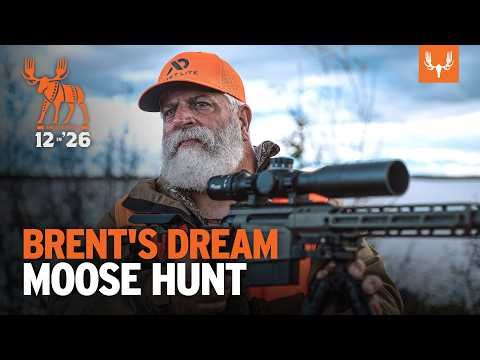
The clearest thing about this moose hunt is not the size of the country or even the bull itself. It is the perspective shift. Brent Reaves starts by saying that this is the kind of trip he used to document from behind the camera, not live from the middle of it. That detail gives the whole episode its shape right away. The film is not just about getting into moose country in northern Manitoba. It is about what it feels like when the storyteller becomes part of the story.
That matters because Brent never treats the hunt like a simple victory lap. He keeps coming back to how unexpected it all feels: the float plane into camp, the remoteness, the weight of the gear, and the fact that he is standing in a place he had only dreamed about. Even before anything happens with a rifle, the trip already has a sense of arrival to it. He is not just traveling to hunt. He is stepping into a version of the outdoors that once existed for him only through other people’s moments.
Why this country changes the pace
Northern Manitoba is presented as a place that forces hunters to slow down. The camp is remote enough that the crew talks about it in terms that sound almost geological: miles from Thompson, open water, long runs, and a landscape that feels far removed from home. Brent repeatedly notes how unreal it is to be there at all, let alone under the northern lights. The scenery is striking, but the more useful detail for understanding the hunt is the rhythm it creates.
Craig McCarthy explains that the way they hunt moose here is not about rushing from spot to spot. They call, they wait, and they often come back later to areas where a bull may have heard them long before they ever see him. That means the land is not just a backdrop. It is part of the process. Sound carries. Distance matters. A calling sequence can keep working even after the boat has moved on.
That is a very different feel from the kind of hunting that depends on immediate action. In this video, the country stretches the timeline. Brent is learning how a remote moose hunt can make a hunter think in terms of hours and return visits rather than quick reactions.
Calling moose requires a different kind of patience
One of the most useful parts of the episode is the way it explains moose calling through Brent’s own comparison with turkey hunting. He understands the idea of patience, but even he seems surprised by how slowly moose hunting can unfold. A turkey may respond quickly or swing in behind a hunter without warning. A moose, by contrast, may hear the call and simply take its time.
Craig’s explanation makes the whole method easier to grasp: a bull might be a long way off, but if the wind, calm, and timing are right, he can still hear the call and begin moving. The response is not necessarily a rush. It may be a gradual drift toward the sound, a lingering approach shaped by the rut and the animal’s own pace. That is why the hunters keep returning to the same areas and why they stay put longer than someone unfamiliar with moose hunting might expect.
The weather becomes part of the strategy too. The crew talks about the kind of conditions they want: cold, still, and calm. That quiet morning on the water matters because it lets the sound travel. Brent is visibly energized by that stillness, not because it guarantees success, but because it gives the hunt a real chance to work the way it is supposed to.
The shot, the recovery, and the emotional center of the trip
The day’s high point comes when Craig spots a bull at distance and gives Brent the range. The shot unfolds quickly after that, but the emotional response is not quick at all. Brent’s reaction is immediate and personal. He calls attention to his brother Tim, wishes he had been there, and ties the moment back to a lifetime of hunting and storytelling shaped by family.
That is where the episode deepens. The hunt is never framed as a solo achievement. Brent keeps tracing his thoughts back to the people who introduced him to hunting, especially his father and older brother. The moose becomes more than an animal on the ground; it becomes a point of connection across generations. Brent seems to experience the kill not just as a successful shot, but as a moment that belongs in a long family line of stories.
The recovery and butchering also reinforce that tone. The crew works through the practical side of the hunt, and Brent pays close attention to how the moose is handled. He learns about caping, about hanging the meat, and about how the meat changes after it has had time to cool. The process is not glamorized. It is part of the responsibility that comes with the hunt, and the video treats it that way.
Fish, rain, and the camp rhythm after the bull falls
What keeps this episode from turning into a simple harvest story is everything that follows. The rain comes in. The crew keeps working. They catch walleye. They eat moose steak again. In another setting, those details might feel like filler, but here they do something important: they show what camp life actually looks like after the big moment.
That matters because the trip is not built around one shot alone. It is built around the feel of being there. Fishing becomes part of the reward. Cooking becomes part of the memory. The food is described in practical terms, with the meat becoming more tender over time. The surrounding weather and water keep the hunt anchored in place instead of letting it become a highlight reel.
Even the unexpected bull that charges in the rain fits that pattern. It is another reminder that the landscape stays active after the main bull is down. Moose hunting here is not a neatly boxed event. It is a series of returns, surprises, and adjustments.
Why the stories matter as much as the meat
Brent closes the video by circling back to what stories do over time. That idea is the real thread holding the episode together. He talks about the stories his father told, the stories he wants his children and grandchildren to hear, and the role of shared meals and shared memories in making a life feel lived.
That is why this moose hunt lands the way it does. Yes, it is a dream trip to a remote part of Manitoba. Yes, it includes a bull moose, a float plane, northern lights, and camp meals built from the animal on the ground. But the part that stays with the viewer is Brent’s recognition that experiences matter because they can be carried forward. They become the kind of thing people talk about later, around a table, with the details changing shape just enough to keep the story alive.
For Brent, that seems to be the real point of the whole trip. The moose is the prize, but the story is the legacy.
Watch the original video: https://www.youtube.com/watch?v=fkGsnuqLpbk
RECOMMENDATIONS
All About The Life designs from Texas Thread Theory, inspired by the places you go and the stories you bring back.
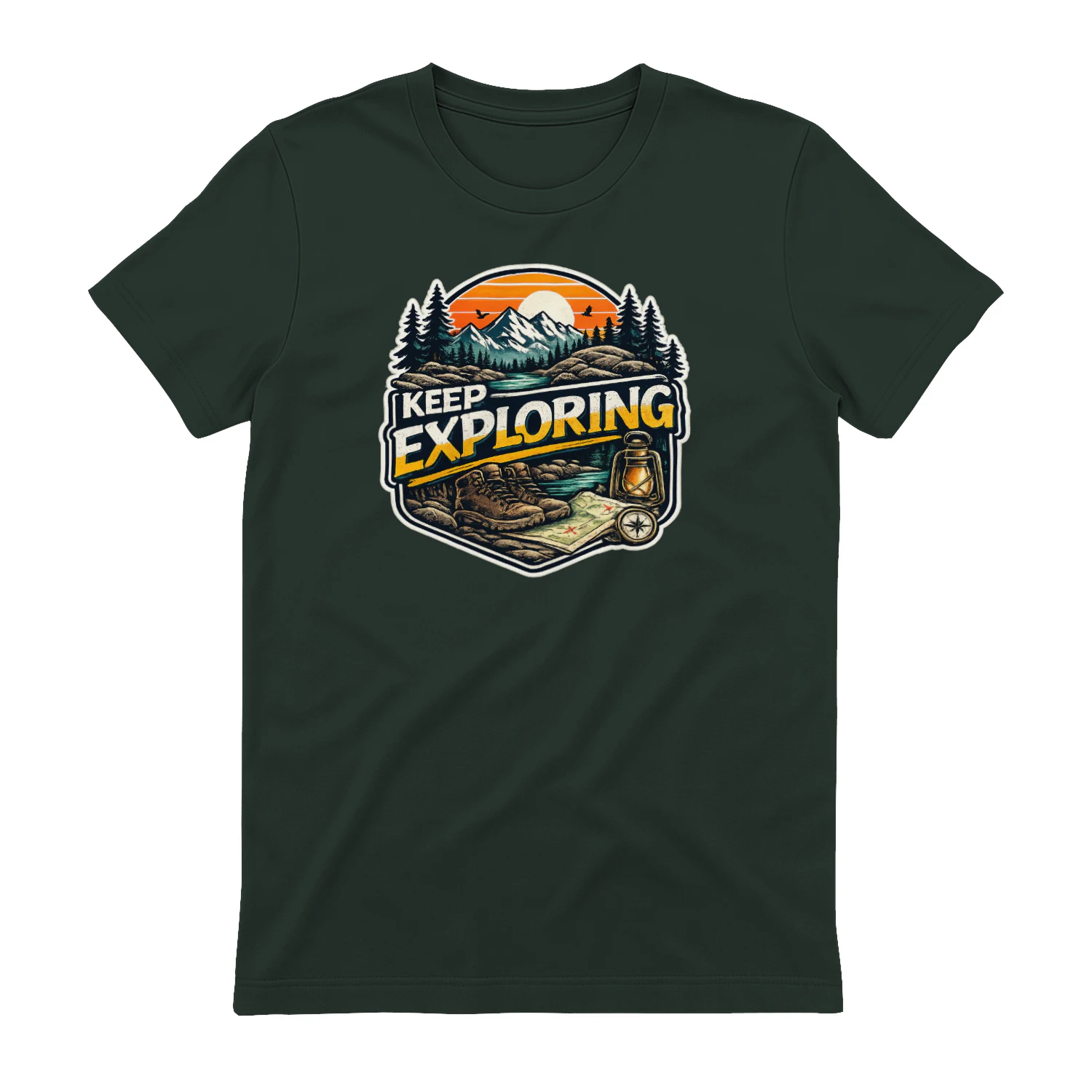
Keep Exploring Badge
A vintage outdoor badge centered on one simple message: “Keep Exploring.” With mountains, evergreens, a river, hiking boots, lantern, map, and compass details, it’s made for hikers, campers, travelers, and anyone who is always curious about what’s around the next bend.