The ranch as a working system, not just a set
The clearest way to read this video is as a tour of a business that happens to wear a cowboy hat without apology. Dale Brisby introduces Radiator Ranch with the kind of confidence that makes the place feel larger than a single property line, but he is also careful not to turn it into a brag sheet. He does not offer acreage counts or cattle totals. Instead, he walks through the parts of the ranch that actually tell you how it functions: feeding spots, camps, the arena, the warehouse, the shop, the round pen, and the places where stock, horses, interns, and equipment all move through the day.
That matters, because the video is not just a personality tour. It is a portrait of an operation built around repetition. Feeding happens. Sorting happens. Training happens. Branding happens. Filming happens. The humor is constant, but the infrastructure underneath it is real enough to give the tour weight. Radiator Ranch comes across as a place where the joke is part of the job, not a break from it.
Why the named camps matter
One of the most revealing details in the video is also one of the simplest: the ranch has named areas like Guacamole Camp, West Camp, South Camp, Farm Camp, and HQ. Those names are funny, but they also function like shorthand for a place that has been organized through use. Dale explains that Guacamole Camp got its name from an intern, a Spanish-speaking young man who suggested it and even spelled it the way he thought it should be spelled. Dale liked it and kept it.
That small story says a lot about the tone of the ranch. It feels informal, but not random. The names reflect a place where work, personalities, and inside jokes stick. HQ is headquarters. The camps are where tasks get done. The humor does not replace the ranch’s structure; it gives the structure a voice. In that sense, the naming system becomes part of the property’s identity, the same way a family place can slowly accumulate nicknames that mean something to the people who live and work there.
What the interns learn here
Dale returns several times to the intern program, and it is one of the most important parts of the feature. The ranch is not only where animals are handled and stock is kept. It is also where young people come to learn ranching, rodeo, or both. They live and work on the ranch and in the warehouse, then spend time in the arena practicing on bulls, broncs, and horses. That combination turns the property into a teaching ground as much as a production site.
The video makes clear that the education is practical. Interns help with ranch work and warehouse work, then get time in the arena to sharpen the skills tied to rodeo. Dale’s explanation suggests a place where labor and training are intertwined, not separated into neat categories. A day here can include feeding cows, handling stock, editing video, or working through riding lessons. That mix helps explain why the ranch feels so self-contained. It is not built around one job title. It is built around a lifestyle that has to keep moving.
The stock pens, arena, and round pen
The ranch tour gains texture when Dale moves into the areas where cattle and horses are actually handled. He describes the brushy country, the wagon-boss rhythm of sorting, and the need to move quickly because Texas heat changes the pace of the day. That practical explanation gives the property a sense of urgency. The work is not ceremonial. It has to be efficient.
The arena, which he calls the beaches of Wnebago, is where rough stock training happens and where interns learn the difference between watching rodeo and doing rodeo. Nearby, the leadups, traps, and sorting areas hold different kinds of stock in different places. Dale points out which pens are used for fighting cattle, bucking horses, and bucking bulls, and he notes why one trap stays empty to let grass grow. These details do more than map the place. They show a ranch managed by use, habit, and function.
The round pen gets a more reflective treatment. Dale explains that a young horse learns there, and he emphasizes why the shape matters. It is a compact, deliberate space for education. That becomes a useful contrast to the rough-stock arena, where the energy is bigger and more explosive. Together, the two spaces suggest the full range of the ranch’s horse culture: training, discipline, and the more chaotic edge of rodeo life.
How the warehouse keeps the whole place moving
The warehouse section reframes the ranch as a media-and-merch operation as much as a livestock operation. Dale says it is what keeps the lights on, and the video does not treat that as a side note. The Rodeo Time warehouse contains apparel, mounts, props, filming spaces, a media room, and a podcast room. It is where the show business and the business business overlap.
That overlap is one of the most interesting parts of the video. The ranch is a working place, but it is also a brand engine. Shirts, caps, content, and editing all sit inside the same larger identity. Dale is direct about how the YouTube channel, the apparel line, and the ranch support one another. None of those pieces are treated as pretend. They are all part of the same machine.
Even the warehouse decor supports that idea. The walls carry mounts and signs that reflect Dale’s taste and history. The media room shows the crew at work. The weight room and jiu-jitsu setup add another layer to the day-to-day routine. The place feels lived in, not staged just for the camera, even though the camera is obviously part of the operation.
The horse side of the cowboy story
The most thoughtful stretch of the tour comes when Dale talks about horses. He moves from practical descriptions of tack and bits to a broader idea of what horses mean in cowboy culture. He has ranch horses, bucking horses, gentle horses, and older animals with stories attached to them. Some are tied to family history. One horse belonged to his father. Another item came from a guided elk hunt. A few mounts or dead heads carry memories that are personal rather than ornamental.
This is where the video slows down enough to show the emotional logic of the ranch. Horses are not just tools here. They are part of the identity Dale is explaining. He talks about the spirit of the West, the wild and the tamed, and how rodeo keeps both alive. That framing helps the tour move beyond novelty. The ranch is not only a place where cowboy culture is performed. It is a place where that culture is kept in daily use.
Why the video works as a portrait of Dale Brisby
What makes this episode hold together is that Dale never fully separates the joke from the job. He says outrageous things, but the property behind them is real. He performs a larger-than-life version of himself, but the ranch, warehouse, animals, and interns show that the persona is anchored in actual routines. The result is a feature about identity as much as acreage.
The video also explains why Dale’s internet presence works for him rather than against him. He talks about making people laugh as something that has always mattered to him, and he connects that instinct to the life he has built. The ranch gives him material, the audience gives it an outlet, and the warehouse and apparel line give it a commercial shape. That makes Radiator Ranch feel like the central hub of a bigger ecosystem, not a single filming location.
For viewers, the appeal is in seeing that system laid out plainly. The video gives you the camp names, the pens, the horses, the warehouse, the interns, and the stories attached to each. What it really offers, though, is a look at how a cowboy brand can be organized around actual work without losing its sense of play.
Watch the original video: https://www.youtube.com/watch?v=EkWYxKCy1FE
RECOMMENDATIONS
All About The Life designs from Texas Thread Theory, inspired by the places you go and the stories you bring back.
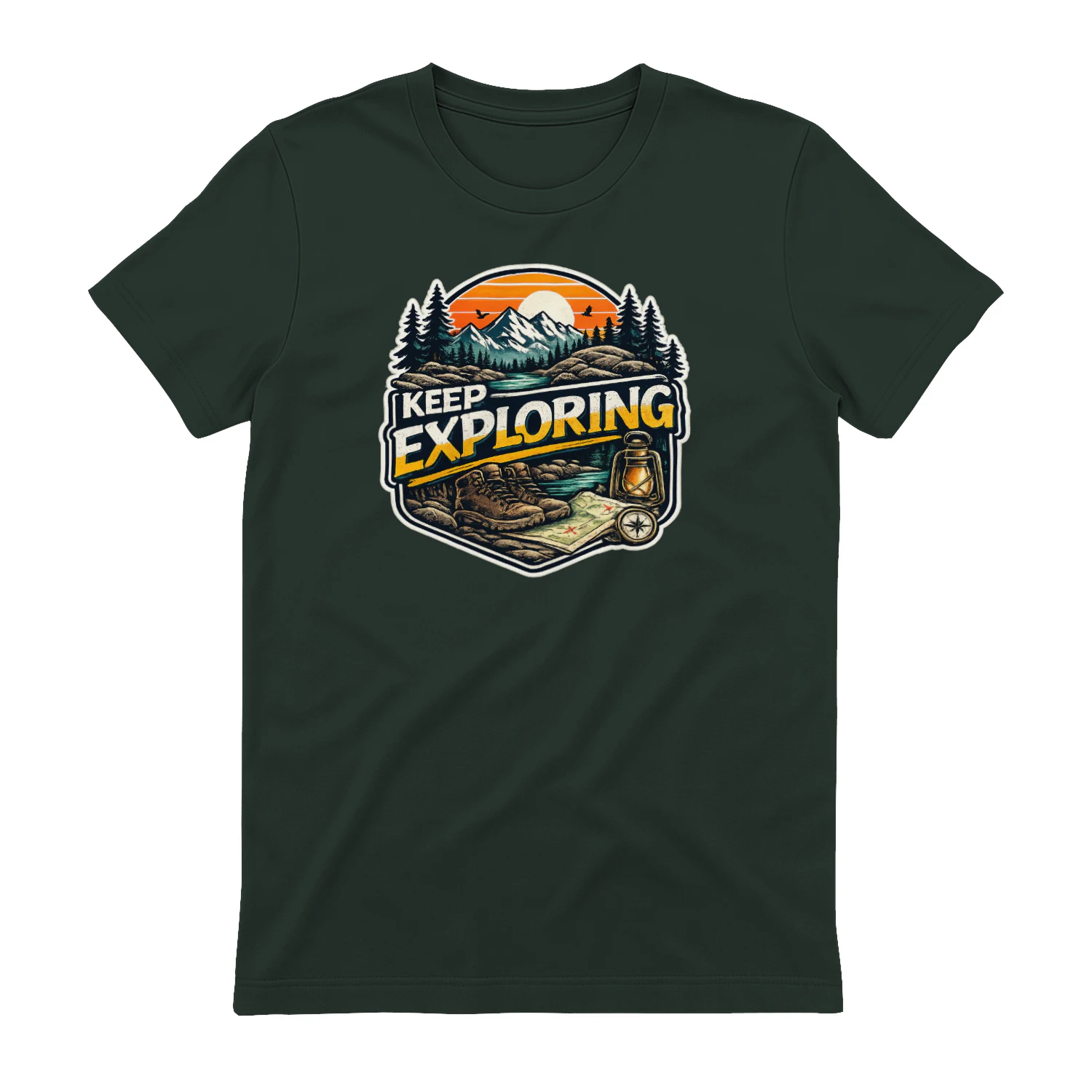
Keep Exploring Badge
A vintage outdoor badge centered on one simple message: “Keep Exploring.” With mountains, evergreens, a river, hiking boots, lantern, map, and compass details, it’s made for hikers, campers, travelers, and anyone who is always curious about what’s around the next bend.