Why the fish shack feels bigger than a building
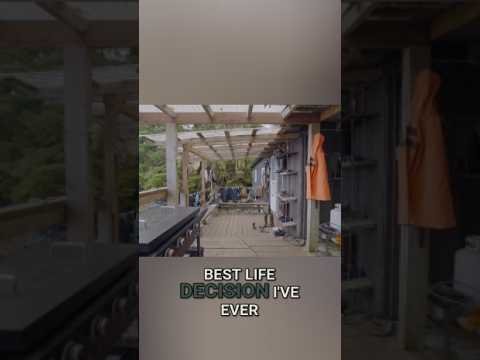
The plain answer is that this fish shack life decision is not really about real estate at all. In the video, the place comes across as something sturdier and harder to replace: a working base where people gather, sleep, eat, and keep returning to one another. That is why the line about it being the best life decision lands with so much weight. The value is not measured in square footage or polish. It is measured in how many people fit into the day, how many memories have been layered into the rooms, and how natural it feels to keep adding more.
The setting the creator describes is plainly lived in. Late summer has the place full, with around 15 people gathered around the table each night. Some sleep in the shop. Others use the bunk house. Children once slept on pack and plays stretched across the floor. That kind of detail makes the shack feel less like a retreat and more like a system built around care, improvisation, and constant use. It is a place designed to absorb people.
A place built around people coming and going
What stands out most is how the shack seems defined by movement. People arrive, stay, share meals, and then move on. New people will sit at the table later. Someone in the group has just had a brand-new baby. The place seems to hold those transitions without trying to freeze them in time.
That is part of what makes the emotional register so strong. The video does not present the shack as a pristine object to admire. It is a backdrop for ordinary family logistics and changing seasons of life. There are sleeping arrangements to make, extra bodies to fit in, and enough familiarity that even a crowded night feels normal. The shack has become a place where hospitality is not a special event; it is the operating principle.
For a reader trying to understand the appeal, that may be the clearest answer. A place becomes meaningful when it keeps making room. The fish shack appears to do exactly that.
The memories that stay at the table
The strongest emotional note in the video comes from the table itself. The creator says there are people who used to sit there and are no longer around, and that line quietly changes the whole meaning of the room. The table is not just where dinner happens. It is where memory accumulates.
That is why the video feels so personal without becoming sentimental in a forced way. The shack contains both presence and absence. Some of the people who shaped the place are gone. Others are just arriving in the story, including a new baby in the family circle. The table becomes the meeting point between those two truths. It holds what has already happened and what is still coming.
There is also something especially grounded about how the place is described through everyday family living rather than grand declarations. Pack and plays on the floor. Extra people sleeping wherever there is room. A crowded meal. Those details do the emotional work honestly. They show a life that is full because it is shared.
Why the purchase feels like a life decision
When Steve Rinella calls buying the fish shack maybe the best life decision he ever made, the line does not come off as a brag. It sounds more like recognition. He is naming a decision that ended up shaping the way people gather and remember. The word “best” makes sense here not because the shack is fancy, but because it has proven useful in the deepest possible way: it keeps people together.
That is what separates this story from a simple property story. The shack is not being judged as an investment or a trophy. It is being judged by how it works for family, for guests, for work, and for the long accumulation of shared life. In that sense, the purchase is less about ownership than stewardship. The place has become something the people inside it rely on.
The video also leaves room for the quieter side of that judgment. A life decision can be “best” because it creates a setting where ordinary days feel rich. The meals are bigger. The stays are longer. The memories have somewhere to live. Even the cruddy parts of the arrangement seem to be part of why it matters; the inconvenience is folded into the affection.
What makes a working place feel like home
The fish shack works as a companion story because it answers a question many viewers can feel without needing it stated outright: what makes a place home? Here, it is not architecture. It is repetition, hospitality, and the way people use the space over time.
The shack is home-like because it has:
- a table that gathers people every night,
- sleeping spots improvised for family and guests,
- room for babies, children, and newcomers,
- and enough history that the absence of old friends is felt inside it.
That combination gives the video its emotional shape. A structure becomes meaningful when it starts carrying the full range of a life, not just the convenient parts. This one seems to do that in a very direct, very human way.
If the point of the video is to explain why the fish shack matters, the answer is already there in the way the crew uses it. The place is busy, imperfect, and full of people. It is also a record of the life built around it.
Watch the original video: https://www.youtube.com/watch?v=-jk3U9Fj7hw
RECOMMENDATIONS
All About The Life designs from Texas Thread Theory, inspired by the places you go and the stories you bring back.

I Came For The Food — Stayed For The Experience
A fun food-and-travel design for anyone who knows a great meal can turn into the highlight of the trip. “I Came For The Food — Stayed For The Experience” celebrates memorable restaurants, destination dining, local flavors, and all the stories that happen around the table.