Why this Colorado trout day started with stocked water instead of the first river stop
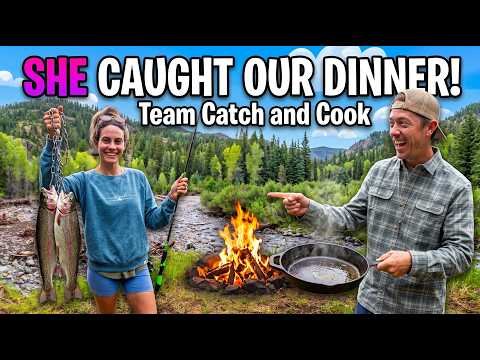
The video is really a practical family trout day built around one simple decision: leave the low mountain stream alone and head for water with better odds. That mattered because the fish in the first stretch were coming from very low water, and the creator says he didn’t want to keep trout from those small streams and rivers. From there, the trip shifts toward stocked ponds with rainbow trout, which is the kind of move that turns a hopeful fishing day into a realistic catch-and-cook plan.
If you’re trying to plan a similar outing in Colorado, the public stocking report from Colorado Parks and Wildlife is the right kind of place to start. It won’t guarantee bites, but it can help narrow down waters where trout have recently been added and where a family meal is more likely to come together.
Using public trout stocking information to find better odds
The transcript points to a roadside pond and other stocked water as the turning point. That’s the useful lesson here: when mountain water is low, clear, and already pressured, the smarter target may be a pond that’s been stocked and is holding fish that are still willing to chase.
That choice also changes the outing for kids. Instead of grinding through technical river fishing the whole time, the family can split the day between trying different presentations and actually getting enough action to keep younger anglers engaged.
Why low water changed the fishing plan
The creator says the stream was low enough that he was already catching fish that had been caught before. That’s not just a frustration note. It explains the whole pivot. In low water, trout can get wary fast, and keeping fish from a small river can feel less appealing when they’re already under pressure.
So the switch to stocked rainbow trout wasn’t just about convenience. It was a conservation-minded and family-friendly decision that made dinner possible without leaning on a fragile stretch of water.
What finally worked when the trout were short-striking everything
The fishing portion of the video is built around adjustment. The family tries flies, nymphs, spinners, bobbers, and a few different setups before the day starts producing real hookups. That fits trout fishing in stocked water pretty well: if fish are following but not committing, you keep changing until something gets them to bite.
The most useful takeaway is not any single lure name. It’s the willingness to move from one presentation to another when the trout were swiping, following, or nipping but not staying buttoned up.
The small lures and fly presentations that kept getting attention
Several presentations get mentioned: dry flies, a nymph, a spinner, a Pistol Pete setup, a Super Duper, and Pat’s Rubber Legs. The transcript makes clear that some of them drew interest, but one setup became the difference-maker when the fish were being picky.
That’s a good reminder for family fishing trips. A stocked trout pond can still be selective, especially if the fish are newly planted or the water is clear. Having a few options in the tackle box matters more than loading up on one “magic” lure.
How the family split up the fishing roles
Ben gets involved with the stringer and lures. The creator’s wife keeps working fish. The kids are close enough to watch, learn, and try casts of their own. That matters because a catch-and-cook day is often less about one angler and more about how the group functions together.
The family setup also makes the outing more than a fishing session. It becomes a kid-friendly lesson in patience, gear choice, and what happens after the fish comes off the hook and heads back to camp.
Cleaning rainbow trout at camp without overcomplicating it
Once the fish are back at camp, the video takes a refreshingly simple turn. The creator doesn’t reach for a full fillet setup. He uses a pocket knife and cleans the trout at the creek, which makes sense for small stocker fish that are headed straight to the skillet.
That method is practical for off-grid camping food because it keeps the process moving. If you have running water nearby, that makes cleanup easier, and if you don’t have ice, speed matters even more.
Why a pocket knife was enough for these stocker trout
The transcript lays out a basic cleaning approach: a cut behind the head, then working from the vent to pull the innards free. For small rainbow trout, that can be enough. You’re not trying to harvest large fillets; you’re just preparing whole fish for a quick camp cook.
The video also makes a point of cleaning and drying the knife afterward. That’s a small detail, but it’s the sort of habit that keeps a camp kitchen from becoming a mess.
Handling fish quickly when ice is limited
Because the family had to drive back to camp and didn’t have ice, the fish were cleaned pretty quickly. That is one of the more practical pieces of the whole outing. The less time fish spend sitting around warm, the better the quality tends to be when they finally hit the pan.
It’s one reason this kind of mountain trout recipe works best when the campsite, water source, and kitchen setup all stay fairly close together.
Pan-seared trout, butter, lemon pepper, and grits
The meal itself is straightforward: trout in a skillet with butter and lemon pepper, served with cheese grits. That’s not flashy, but it doesn’t need to be. Fresh trout has enough flavor on its own, and the camp kitchen method keeps the focus on texture and heat instead of complicated seasoning.
The transcript makes clear that the grits are doing real work here. They catch the extra seasoning, soften the richness of the fish, and round out the meal so it feels like a proper dinner rather than a snack.
The simple camp-kitchen method behind the meal
The fish go into buttered pan heat for a few minutes on each side. The grits are stirred slowly so they don’t stick. Lemon pepper gets added generously. The result is less about precision plating and more about timing: brown the butter, cook the trout, keep the grits moving, and serve while everything is hot.
That rhythm is what makes a catch clean cook at camp appealing. The ingredients are basic, but the payoff is immediate.
Why the grits made sense with fresh fish
Cheese grits bring a creamy, savory base to the plate, which balances crisp trout skin and butter. The transcript even hints that the seasoning from the fish ends up in the grits, which is exactly the kind of small camp-food trick that makes sense once you’re eating outside.
This is also why mountain trout and grits pair so well. You get a hot, filling meal without needing much equipment or a long ingredient list.
For anyone wanting to watch the original family outing, here’s the video: https://www.youtube.com/watch?v=oroVWGZQgQE
The real value of this Colorado trout catch and cook is how plainspoken it is. The family follows the water, adjusts to what the trout will bite, cleans the fish without fuss, and turns the whole thing into a camp meal the kids can be part of. That combination of fishing, food, and shared work is what makes the day stick.
RECOMMENDATIONS
All About The Life designs from Texas Thread Theory, inspired by the places you go and the stories you bring back.

Try The Local Stuff
A vintage travel-and-food design encouraging you to “Try The Local Stuff.” Inspired by markets, local ingredients, destination scenery, and the thrill of discovering something new, it’s made for travelers and food lovers who believe tasting a place is part of experiencing it.