Why finishing the dig was only part of the job
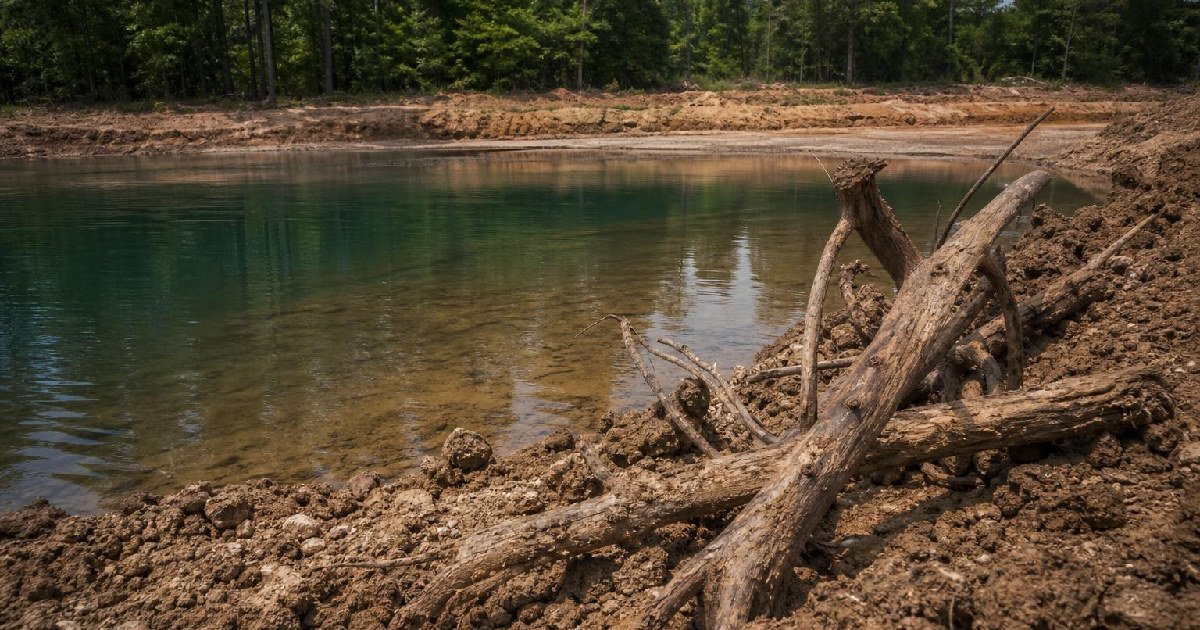
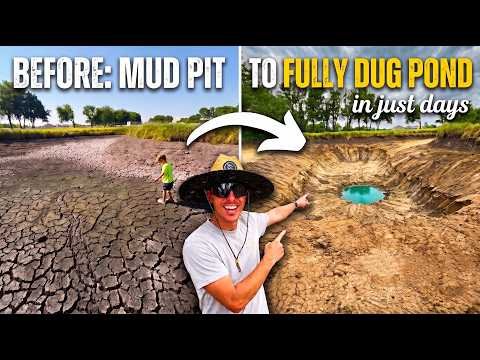
The plain answer is that this backyard pond restoration is no longer just about removing mud. In LakeForkGuy’s latest update, the excavation phase has reached the point where the shape of the pond starts to matter as much as the depth. The basin has been opened up, the bottom has been found, and the project is now shifting from heavy digging to habitat decisions: where fish will spawn, where they’ll hold, how water will move, and how the edges will hold up over time.
That change gives the video its real structure. What began as a swampy, muck-choked pit has become a layered pond with purpose. The creator is still working with dirt, clay, gravel, and the occasional stuck machine, but the work now looks less like rescue and more like engineering for fish and for the land around the pond.
How the pond ended up with shelves, a saddle, and a boat ramp
One of the most interesting parts of the restoration is that the final shape was not treated as a simple bowl. The pond now has a deeper center area, a saddle-like rise between pools, and shallower shelves around the edges. That matters because the creator keeps coming back to the same idea: fish need more than volume. They need places to feed, spawn, rest, and move between different kinds of cover.
The shelves are especially important in that thinking. Instead of making every part of the pond equally deep, the digging left some areas shallower and more varied. That should give sunfish a place to come up and feed, while also creating better zones for spawning and protection. The deeper pockets, meanwhile, leave room for bass and help give the pond more usable water overall.
There’s also a practical surprise that came out of all the hauling and grading: a natural-looking boat ramp. The repeated passes with the tractor and skid steer created a slope that can now function as a launch point, which means the pond may eventually be accessible for maintenance, algae control, or just moving around the water more easily. It is one of those accidental outcomes that makes the project feel more complete than planned.
Why the muck and dirt were spread into the woods
The excavation didn’t end with a giant spoil pile. Much of the wet material from the pond was spread through the woods instead. That choice serves two purposes at once. First, it avoids leaving a massive heap of muddy spoil near the pond. Second, it helps smooth out rough ground where old trees had exposed roots and where the terrain was uneven.
That’s a useful detail because it shows the restoration isn’t isolated to the waterline. The pond project is also cleaning up the surrounding forest floor. Some of the dirt was used to cover exposed root areas, build up low spots, and create a more gradual grade toward the feeder creek. In other words, the digging changed the land in more than one direction.
The creator also mentions finding trash while moving dirt around, including bits of old fish houses and other debris. Those pieces were pulled out and set aside for disposal, which adds another layer to what this kind of restoration actually involves: not just shaping a pond, but removing leftovers from whatever the place used to be.
What the gravel bars and riprap are meant to do
The pea gravel delivery is one of the clearest signs that this is no longer just excavation. The gravel is being placed on the shelves to create spawning areas, especially for bluegill and other sunfish. The goal is to give fish multiple places where they can separate, spawn, and feed.
That kind of habitat design comes up repeatedly in the video. The creator describes the gravel bars as a way to make the pond more productive and more natural-looking from a fish’s point of view. One shelf sits under shade from an elm tree, which should help keep the water cooler and offer a better summer holding spot. Another area is tied to a shallower pocket that could provide protection and spawning cover. The point isn’t just to fill space. It’s to build useful zones.
The riprap rock in the feeder creek serves a different purpose. It is there to help reduce erosion when heavy rain comes through. That matters because the pond is still settling, and any water moving through the system needs a little protection from washing away the edges. Between the gravel bars and the riprap, the project is starting to look like a working habitat instead of a freshly dug basin.
Measuring depth, managing water, and planning the next phase
The creator spends time trying to pin down the depth, and the measurements land around the eight-foot range, with a spot where water was hit around ten feet before backfilling for safety. The exact number matters less than the fact that the pond now has real depth where before there was mostly shallow muck. That’s a major shift for a pond meant to support fish.
Water management is still part of the picture, too. There’s an existing pipe and an old float-valve setup on site, but it isn’t being treated as the final answer. The creator talks instead about letting rain do much of the filling, then adding well water only as needed. That approach fits the broader tone of the project: use what the site gives you first, then make adjustments from there.
There’s also a useful bit of restraint in the way the creator talks about the next phase. The pond is not being treated like a finished trophy feature. It still needs cover for baitfish and sunfish, and it may eventually get cypress trees, cattails, pondweed, a boat dock, or other structures. But the immediate goal is simpler: let the pond settle, hold water, and prove that the new shape works.
What this pond restoration is really building
On paper, the project is a backyard pond dig. On the ground, it’s closer to a habitat rebuild. The excavation doubled the usable depth compared with the old muddy condition, the new shelves make the pond more complex, the gravel should support spawning, and the surrounding woods got some cleanup along the way. That combination is what gives the video its appeal.
It also explains why the creator seems so focused on the long view. This isn’t about one dramatic dig and done. It’s about creating a place where frogs, bluegill, bass, and the rest of the pond life can settle in over time. The restoration has crossed from brute force into a phase where small choices start to shape the future of the water.
The next steps are still ahead, but this episode marks a real turning point: the hole is now a pond with structure.
Watch the original video: https://www.youtube.com/watch?v=TqHcp6gNYLs
RECOMMENDATIONS
All About The Life designs from Texas Thread Theory, inspired by the places you go and the stories you bring back.
Life Happens Out There
An outdoor-focused AATL design celebrating mountains, forests, hiking, camping, road trips, and the simple idea that life happens when you get out there and explore.