Why this trip matters: a beach dive, a Bahamas run and two very different kinds of saltwater hunting
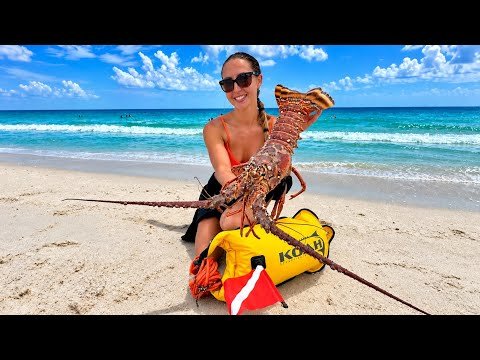
Florida shore diving for lobster is a different kind of outing than hopping on a boat and heading straight to the reef. In this video, Kelly Young splits the action between a first-time beach dive for spiny lobster off Fort Pierce and a quick spearfishing run to the Bahamas, then brings the catch home to clean and cook. That combination makes the episode useful for more than the entertainment value. It shows how shoreline access, mixed species hunting and meal prep all connect when you live close enough to do both.
The short answer for anyone wondering how shore diving for spiny lobster works is this: you enter from the beach, work reef edges and limestone structure, stay organized with a float and bag system, and keep close track of what you’re allowed to take. On a good day, that can mean a legal lobster and a fish dinner. On a typical day, it means a lot of diving up and down, checking holes and accepting that not every ledge gives something up.
What the Fort Pierce shoreline is actually like for lobster
The Fort Pierce portion of the video is all about structure. Kelly describes natural limestone ridges running roughly parallel to shore, with multiple lines to check as the dive moves seaward. That detail matters because shoreline lobster hunting is not a simple swim-and-look exercise. The fish and crustaceans are hiding around depth changes, ledges and pockets, and the deeper those ridges run, the more work it takes to confirm what is down there.
Limestone ledges, depth changes and why the search is so stop-and-go
The rhythm of the dive is repetitive by design: drop down, inspect the ledge, rise back up, move a little farther, repeat. When the ledges run deep, you do not always get the easy visual cue of antennas sticking out. That means the search becomes slower and more methodical. Kelly’s account makes it clear that shore diving is often less about seeing a lobster from the surface and more about being willing to inspect a lot of rock before you find one worth keeping.
The first lobster she found was tucked so far back behind the ledge that it could not be taken. Later, a bigger one appears closer in, and this is where the trip shifts from exploration to decision-making. A bigger lobster in a tight spot often changes the retrieval plan, and that is why a snare becomes useful.
Why a snare made sense on the bigger lobster
A snare is not there for drama. In the video, it is the practical choice when the lobster is wedged in tightly and moving it by hand would be awkward or risky. That is the kind of real-world detail that gets lost when lobster hunting is reduced to a highlight reel. Sometimes the gear choice is simply about getting a secure hold without damaging the animal or fumbling it in the surge.
What gear the dive setup needs from the shore
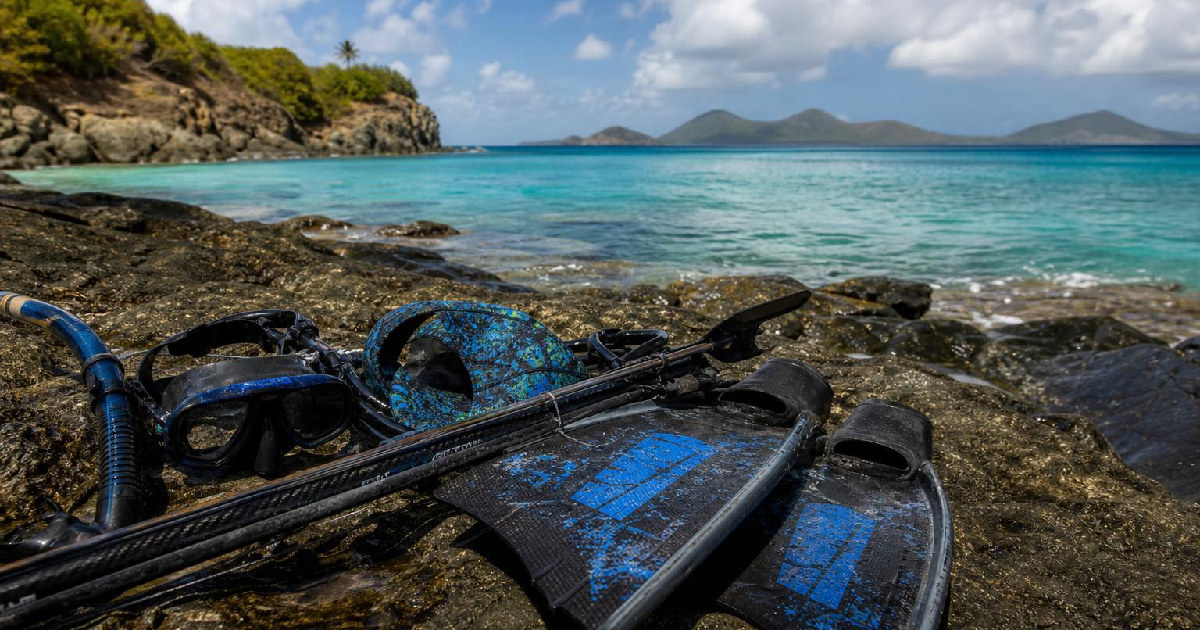
The beach setup in Fort Pierce is a good reminder that shore diving starts before you ever hit the water. Kelly lays out a Koa shore dive float that doubles as a dry bag, plus a dive flag, fins, booties, gloves and a lobster bag. That is a sensible baseline for shore work because the gear has to do two jobs: keep the diver safe and carry whatever gets harvested.
Dive flag, float bag, fins, gloves and lobster bag
The dive flag is especially important because it tells others you are in the water. The float bag adds another layer of function by letting you keep items dry or secured while you move. The lobster bag itself is designed to hold the catch with a cone-and-tooth opening that keeps the lobster from backing out. The setup may look simple on camera, but each piece solves a specific problem.
For readers building a shore-diving kit, the takeaway is not that you need the exact same brands or accessories. It is that shore diving requires a package, not just a spear or mask. You need a way to signal your presence, carry gear, secure the catch and stay comfortable enough to keep moving over reef structure.
Why shore-diving is not the same as boat diving
Kelly notes that she is usually on a boat when she lobster hunts, which is part of why the Fort Pierce dive matters. A shore entry changes the whole pace. You are walking gear in, dealing with the surf line, then committing to a longer swim over relatively shallow structure before you even know if the day will produce. That is a different kind of effort than dropping from a boat on known ground.
Florida lobster rules are part of the story, too
If you are following along for practical information, the rules matter as much as the gear. Florida’s spiny lobster season is not open year-round, and the Florida Fish and Wildlife Conservation Commission sets the dates and harvest framework. For 2026, the recreational spiny lobster sport season ran July 29-30, followed by the regular season beginning Aug. 6. You can read the agency’s notice here: Florida Fish and Wildlife Conservation Commission.
Season timing and size-limit context from FWC
The video does not turn into a regulation lesson, but the timing is still part of the viewer’s context. If you are shore diving for lobster in Florida, you should always confirm current season dates, licensing rules, size limits and bag limits before you go. That is true whether you are working from the beach, a kayak or a boat.
Why legal season awareness matters even in a creator video
What stands out here is how quickly the trip moves from beach diving to cleaning and dinner. That makes it easy to forget that the harvest itself sits inside a rule set. Even for casual viewers, understanding the season helps explain why a lobster hunt is not just about finding structure. It is about doing it at the right time and within the current rules.
The Bahamas day trip adds the other half of the video
The second half of the story moves to the Bahamas, where the hunting shifts from lobster to spearfishing. Kelly describes the crossing to West End, Grand Bahama, as a short hop on a flat day, and the footage carries a very different energy from the Fort Pierce shore dive. This side of the trip is about reef fish, a backup pole spear and the kind of quick decision that happens when you are hunting in the water.
Hogfish, schoolmasters and a reef shark encounter that changed the plan
The fish at the center of the cooking portion is hogfish, which Kelly calls one of her favorites and a reliable Bahamas target. The video also references schoolmasters and another shot at a mangrove snapper that did not come together. The biggest surprise is the reef shark taking her pole spear, which changes the tempo of the whole dive and underlines a basic truth of saltwater hunting: equipment does not always come back the way it went in.
That moment matters because it separates the polished catch-and-cook finish from the uncertainty of the hunt itself. There is always a point where the plan becomes reaction.
Cleaning and cooking are part of the hunt, not an afterthought
Back home, Kelly works through cleaning the hogfish and then handling the lobster in a way that leaves open the possibility of mounting it. That is a useful piece of information for viewers who have never thought through the tradeoff between keeping the meat and preserving the shell. In this case, the lobster yields meat for dinner, but the attempt to keep the shell intact shows how many different goals can sit inside one catch.
The cooking sequence keeps things simple: salad, rice, panko crust, olive oil, butter, garlic and a fresh seafood dinner. The details are practical rather than fancy, and that fits the video. Freshly caught fish does not need much explanation once it hits the pan.
If you want to watch the full dive, spearfishing and cook-up, here is the original video: https://www.youtube.com/watch?v=N0jkbGdcN7A
The bigger lesson is not just that Florida shore diving for lobster can work. It is that shore diving, reef hunting and catch-and-cook meals all depend on the same habits: reading the terrain, carrying the right gear, respecting the season and being ready for the trip to change shape the moment the water does.
RECOMMENDATIONS
All About The Life designs from Texas Thread Theory, inspired by the places you go and the stories you bring back.
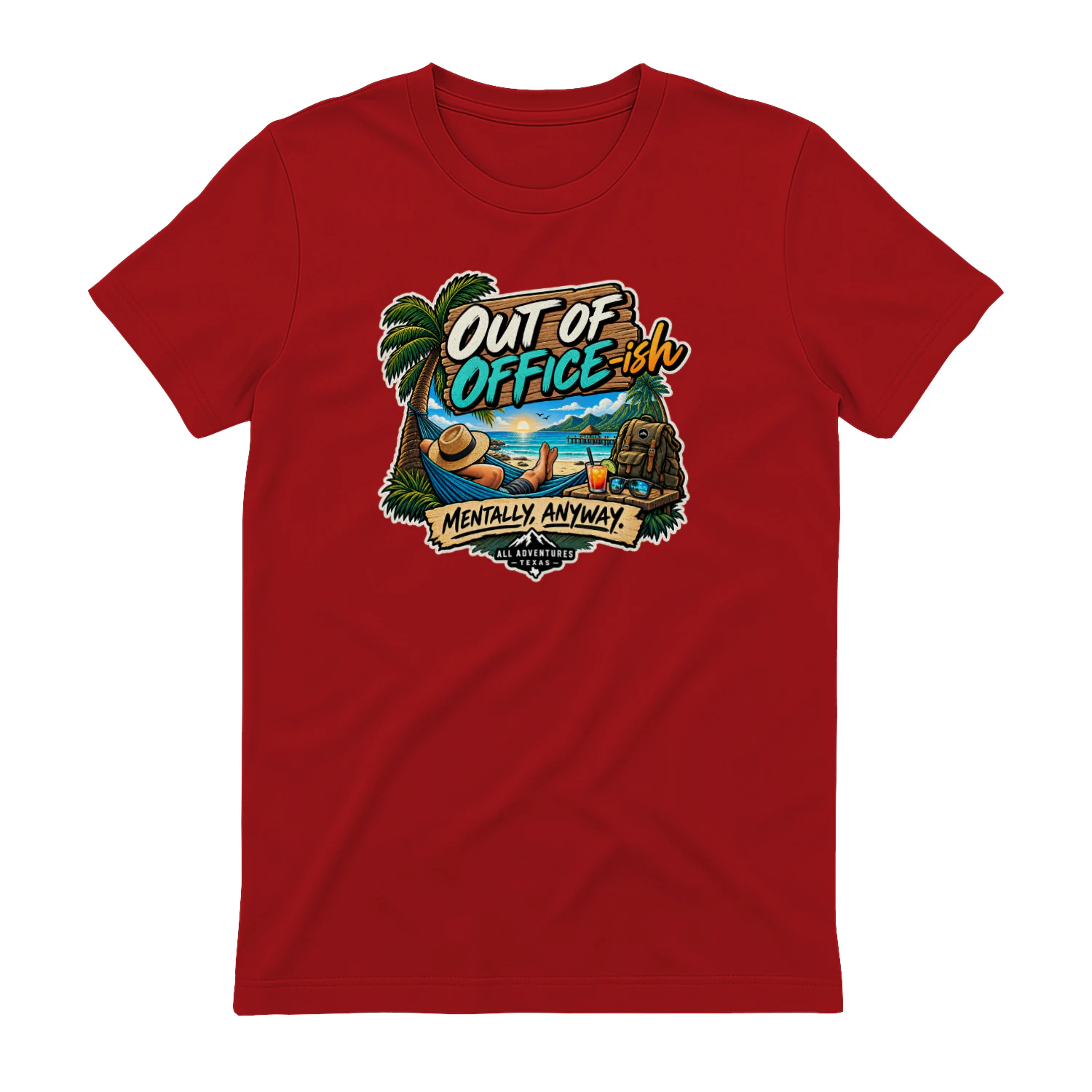
Out Of Office-ish — Mentally, Anyway.
A playful vacation design for anyone who may be physically present but mentally somewhere with palm trees. “Out Of Office-ish — Mentally, Anyway.” brings together beachy travel details and a little humor for travelers, vacation lovers, and people permanently ready for their next escape.