Why this solo HiAce trip matters
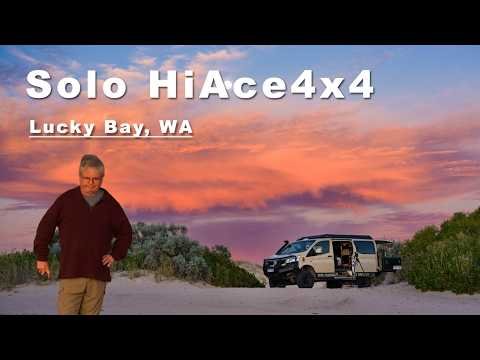
This video gives a clear answer to a question many overlanders eventually ask: what does a solo trip really teach you that a busy, fully planned journey does not? In Andrew St Pierre White’s case, the answer is almost everything. The point is not simply that he reached Lucky Bay in a HiAce. It is that the trip strips travel back to its essentials — route, weather, camp setup, food, communication, and the small decisions that shape whether a solo run feels restorative or frustrating.
That is why this companion feature is best read as a practical reflection rather than a travel diary. The west coast scenery matters, but the stronger story is how the camp becomes a test bed. A new vehicle, a loose route, soft sand, no firewood, and a few unexpected gear limitations all force the trip into a more honest shape. The result is a useful look at solo overland travel when it is done without the safety net of a team or the momentum of a tightly scripted plan.
The first real lesson: a new rig changes the whole rhythm
One of the most useful threads in the video is the reminder that a solo trip with a new vehicle is not the same as a solo trip in a familiar one. Andrew says it directly: doing a first big solo outing in a new rig is not ideal. That is not a complaint so much as a lesson earned in real time. When you are alone, the trip is supposed to lower stress, not add fresh puzzles every few minutes.
The HiAce is still being learned. The kitchen setup is unfamiliar, the footprint of the coffee percolator does not work the way it should on the induction cooker, and a few items still do not have a proper place. Even coffee becomes a small problem to solve. That might sound trivial, but in a solo camp the routine tasks matter because they determine how settled the whole experience feels.
What comes through here is not frustration for its own sake. It is the value of discovering problems on a short, forgiving run rather than on a major expedition. Andrew treats the trip as a kind of moving workshop: a chance to see what the van actually needs, what can wait, and what would make the next outing calmer. For readers interested in solo overland travel, that is a far more useful takeaway than a polished success story.
Why staying in touch is part of remote travel now
The video also spends a surprising amount of time on communication, and that makes sense. Andrew is not treating connectivity as a gimmick. He is asking a more complicated question: when does being reachable make a remote trip easier, and when does it start to erode the point of going away in the first place?
He makes a strong distinction between isolation and unnecessary stress. On a truly remote trip, keeping in contact with family is not just for the traveler’s comfort; it also eases worry at home. He recalls an older expedition where he deliberately carried no communications, and the uncertainty on the home front became part of the problem. He also talks about earlier long-distance travel where he used satellite tracking and scheduled check-ins to make sure people knew he was safe.
That balance is one of the most interesting parts of the video. Andrew does not argue for constant connection, and he does not pretend the wilderness has become the same as suburbia just because a signal or satellite link exists. Instead, he suggests a more disciplined rule: if carrying connectivity reduces stress, use it; if it becomes a distraction, leave it off. The idea is not to be dogmatic. It is to be honest about why you are carrying the gear in the first place.
Lucky Bay as a test of patience, setup, and timing
Lucky Bay is the scenic anchor of the trip, but it is not presented as a postcard stop. It becomes a working campsite with all the usual tradeoffs of beach travel. The sand is soft, the sandflies are present, and the vehicle has to be positioned carefully. Andrew chooses his entry and parking with caution, using low range where needed and avoiding the temptation to rush onto sand that looks firmer than it really is.
That caution matters because the camp is also about timing. He wants to get there before dark, and he does. That decision shapes everything that follows. Because he arrives with daylight to spare, he can park properly, turn the HiAce for wind protection, sort the interior, and enjoy the evening instead of fighting the site.
The camp itself is portrayed with a kind of practical affection. The beach is beautiful, the sunset is striking, and the position beside the water clearly matters to him. But the beauty is never separated from the realities: no awning, limited table space, no easy firewood collection, and the need to be careful about how much time is spent wandering around after dark. The result is a camp that feels earned rather than staged.
What the trip taught him about future solo overlanding
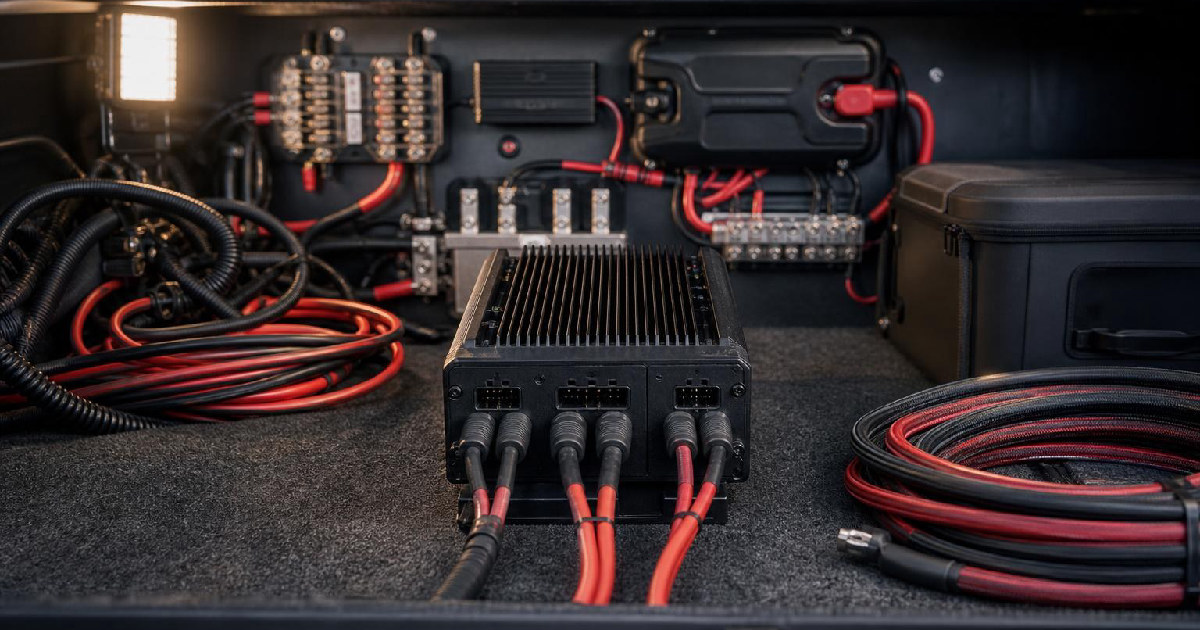
By the end of the video, the real value of the journey is no longer Lucky Bay itself. It is the list of adjustments the trip inspires. Andrew realizes that the van needs more usable desk and table space, that the kitchen layout works better than expected once he has lived with it, and that his electrical setup has limits when induction cooking and Starlink are both in use.
He also circles back to the bigger structural question: should he add another battery or install solar? He does not force a tidy answer. Instead, he weighs the advantages and drawbacks in the context of this specific rig. A solar panel can be useful, but only when the vehicle is parked in the right orientation or when the panel remains flat. A second battery would extend the usable time in camp without adding another layer of complexity. That kind of thinking is the heart of the trip.
The larger lesson is about discipline. Not the stern, joyless kind — the kind that protects the joy. Andrew argues that solo travel works best when you do not try to make it do everything at once. Keep the route loose. Stop early enough to enjoy the place. Carry what actually lowers stress. And be willing to use a short solo run as a rehearsal for a bigger one.
That is what makes this HiAce coastal trip feel useful. It is not trying to prove anything. It is trying to learn. And because it learns in public, the viewer gets something practical out of it too: a better sense of how remote travel really feels once the vehicle stops being a plan and starts being a lived-in space.
Watch the original video: https://www.youtube.com/watch?v=8d273Y3hwHs
RECOMMENDATIONS
All About The Life designs from Texas Thread Theory, inspired by the places you go and the stories you bring back.

All About The Life Road Trip SUV Badge
A retro All About The Life road-trip badge featuring a rugged SUV, mountain roads, directional signs, and classic compass details. It’s the perfect design for back-road explorers, overlanders, weekend travelers, and anyone who likes their adventures with a full tank and no strict itinerary.