What the flood changed in the creek
The clearest way to read this video is as a post-flood creek walk built around contrast. The water has already done its work: banks are washed out, material has shifted, and the creek bed is left carrying whatever the flood moved through it. That creates the basic tension of the hunt. The question is not just whether anything valuable survived, but what got exposed when the creek was rearranged.
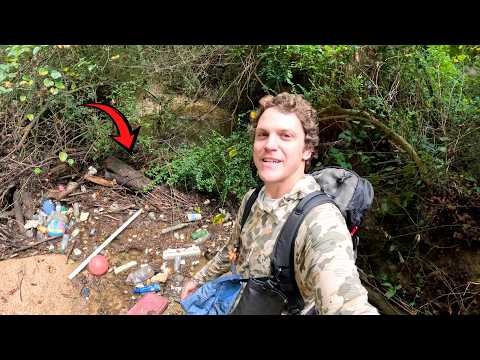
That is why the opening stretches of the walk feel so active even before the finds get especially flashy. Fallen limbs, trees, disturbed mud, and piles of debris set the tone immediately. This is not a neat search through a tidy stream. It is a scavenger’s landscape, where every bend might hold something that washed out of the bank or settled into the bottom over a long stretch of time.
The video’s appeal comes from that uncertainty. Some of what turns up is clearly trash. Some of it is the kind of old material creek walkers hope for. A few pieces sit in the middle, where age, condition, and mystery make them interesting even if they are not rare.
The finds that kept the walk going
The first few discoveries show the range of what a flood can leave behind. There is a mason jar lid insert, a piece of wine glass, and then the kind of object that always changes the mood of a creek hunt: an arrowhead.
The arrowhead matters because it changes the scale of the search. Before it appears, the walk is slow and a little uncertain. After it appears, the creek feels promising again. It is broken at one edge, but it is still the kind of find that makes the rest of the hunt feel worth continuing. The video makes clear that this creek has a history of producing arrowheads, which helps explain why the search keeps drifting forward instead of ending on the spot.
From there, the finds stay varied. There is a second tire, more debris, a kitchen sink with the faucet still visible, and then more pieces that feel like they belong to another era of everyday use: old glass, a bottle, and what looks like tumbled glass with a color that catches the eye. Even without a perfect specimen, these objects give the creek its texture. They tell a story of what gets lost, dumped, or washed downstream and then caught again by a bend, a log jam, or a quiet pocket of gravel.
The little surprises are part of the fun too. A toy car, a small bear, and a marble all show up later in the walk, each one carrying a different kind of appeal. The marble is especially satisfying because it is complete and easy to recognize. It is the kind of find that feels modest but real, and those are often the discoveries people remember after a hunt like this.
When trash and treasure start to blur
One of the strongest parts of the video is how often the line between trash and treasure gets blurred. A tire is just a tire until it sits in a place where it looks strangely out of place. A chair becomes interesting because of where it landed. A hat with a golden finish becomes memorable because it feels almost decorative even if it is clearly part of the creek’s castoff inventory.
That same blur applies to the old-looking bottle and the broken figurine piece that seems to be a pig or a bear. The value here is not just in money or age. It is in the fact that these objects survived long enough to be noticed. In a creek this crowded with debris, even damaged pieces can feel like small recoveries.
There is also a practical side to the hunt that comes through in the key holder. The idea that it may have once held a car key gives the object a bit of human mystery, even though the holder itself is full of sand and the key is gone. The video briefly entertains the possibility of returning it, which gives the object a different weight from the usual creek litter. It is one thing to find a broken bottle. It is another to find something that once hung from somebody’s daily routine.
Why the mosquito problem ended the creek session
As the creek walk continues, the environment starts to push back. The mosquitoes become the strongest force in the story. They are not a side note; they effectively end the session. That detail matters because it keeps the video honest about what these outings are really like. A flood may reveal more ground, but it does not guarantee a long, comfortable search.
The wrap-up feels practical rather than triumphant. The finds are laid out, identified as best as the moment allows, and sorted into the things worth keeping and the things worth noting. There is no attempt to oversell the haul. The walk produced a few good pieces, but the weather and insects won the day.
That restraint gives the feature a better shape. The creek was not a jackpot from start to finish. It was a place where patience paid off in short bursts, where one strong find kept the search alive, and where the conditions eventually decided how long the hunt could last.
The dive haul that extended the story
The video then pivots into a separate visual chapter: a quick look at a diving haul from another trip. This is not a full second adventure so much as an added layer to the same treasure-hunting life. The emphasis shifts from creek finds to fossils and shark teeth, including a mix of larger and smaller examples.
That section broadens the video without changing its core idea. Whether the day is spent walking a flood-changed creek or sorting through a fossil haul, the draw is the same: the pleasure of seeing what survives underwater, under mud, or under the pressure of time. The larger shark teeth stand out first, but the smaller ones matter too because they show how much of the search depends on patience and repetition.
The fossilized seashell and the different tooth shapes help give the ending a museum-cabinet feel. It is less about one big prize than about assembling a set of interesting pieces. The creator also notes that the season has been slow for diving compared with what is sometimes typical, which makes the haul feel satisfying without pretending it was exceptional by some outside standard.
For readers watching the embedded video, that matters. The creek portion and the dive portion are both rooted in the same habit of looking closely at what water leaves behind. One is messy, green, and bug-bitten. The other is cleaner in presentation but still built on the same search logic.
Watch the original video: https://www.youtube.com/watch?v=JuZaaR2wI64
Why this kind of video works
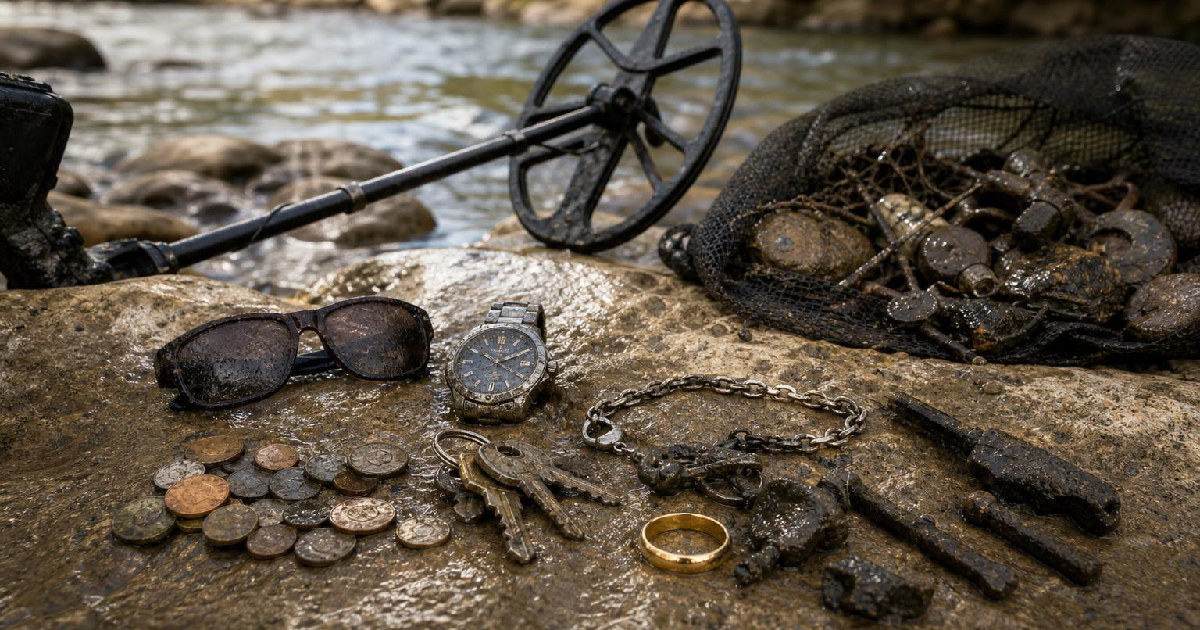
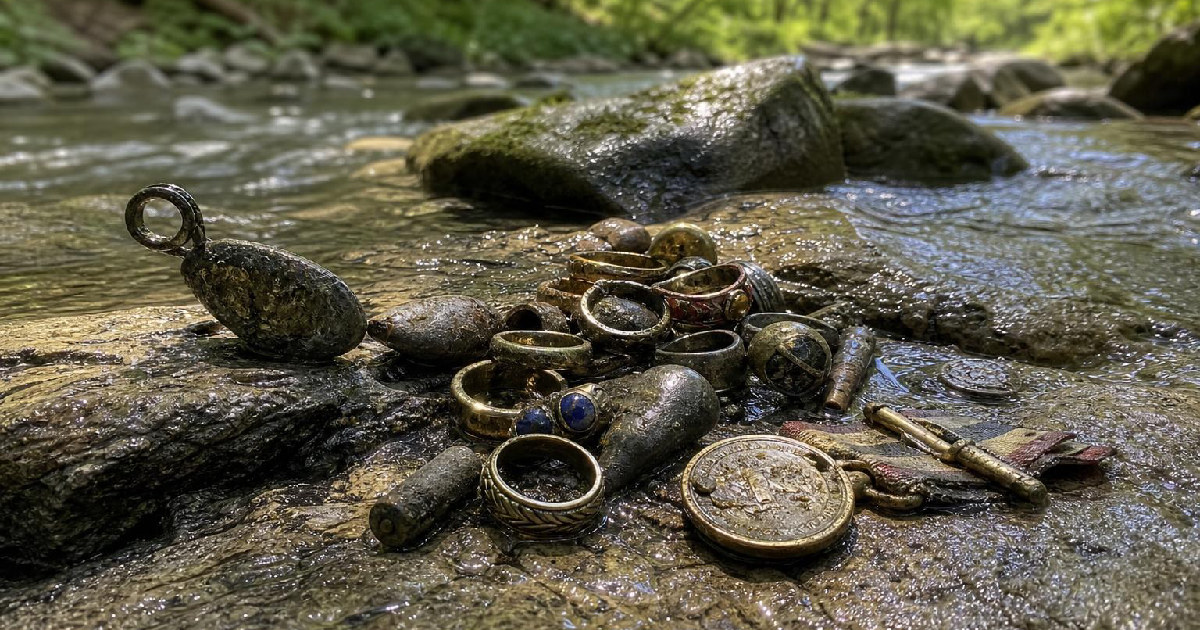
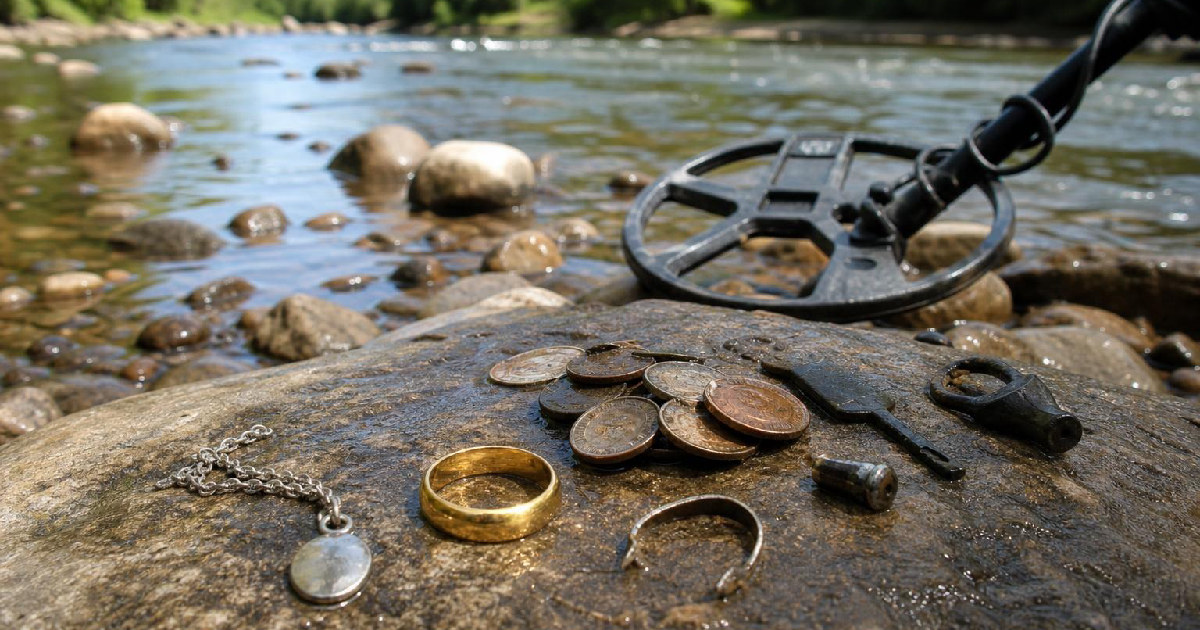
Part of what makes a mudlarking after a flood video engaging is that it offers small, immediate payoffs. You do not need a dramatic ending for it to work. An arrowhead, a marble, an old bottle piece, or a strange hat-shaped object is enough to keep the eye moving. The creek itself becomes the narrative engine.
This episode also shows why flood conditions matter so much to creek walkers. A normal day might not expose this much material, or at least not in this arrangement. The flood has shifted the bottom, torn into the bank, and gathered old and new objects into the same narrow corridor. That is where the interest lives: in the overlap between natural force and human clutter.
The result is a companion feature that matches the video’s mood rather than trying to outdo it. The story is not that every object was special. The story is that, for one muddy, insect-filled stretch of creek, there was just enough treasure among the trash to keep going.
RECOMMENDATIONS
All About The Life designs from Texas Thread Theory, inspired by the places you go and the stories you bring back.
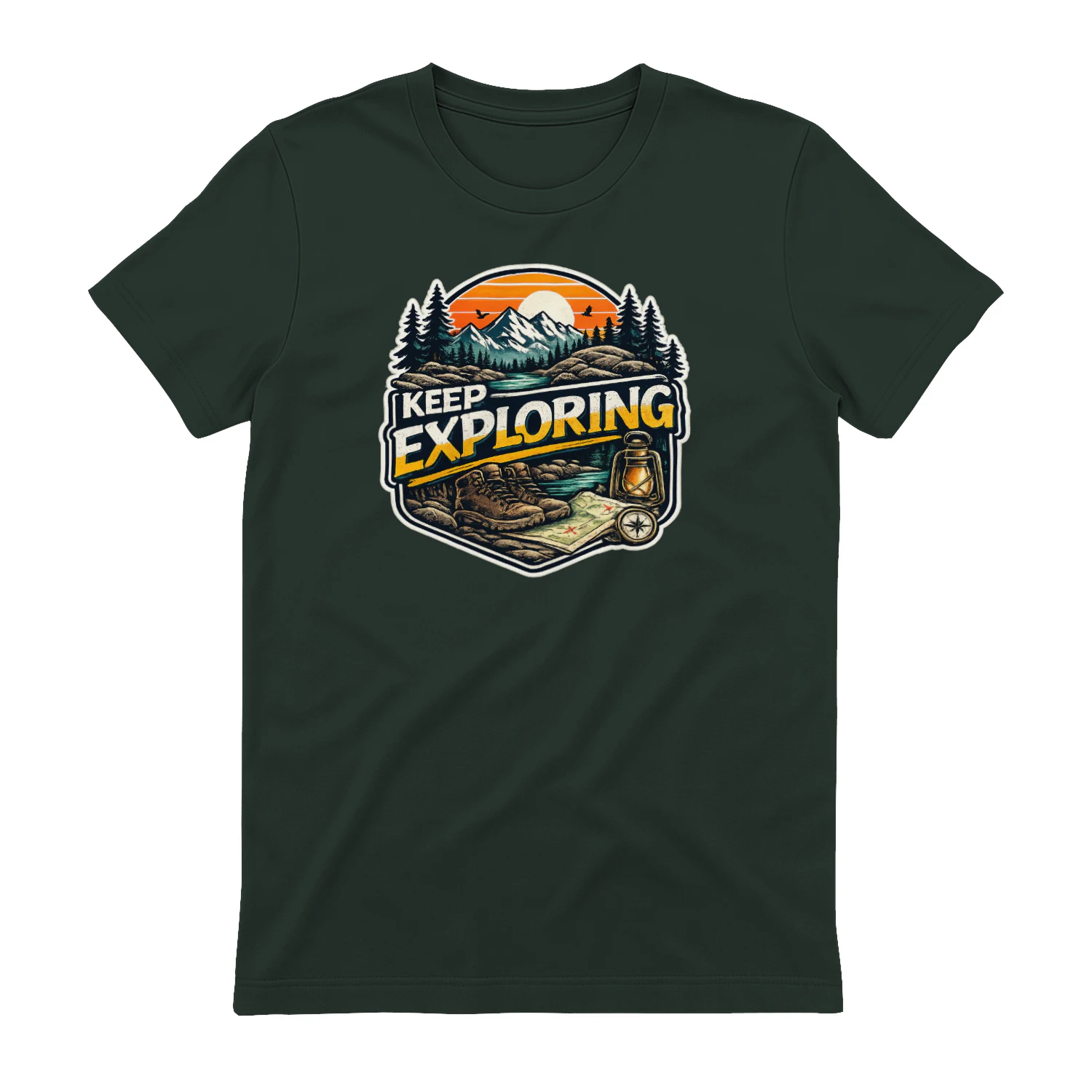
Keep Exploring Badge
A vintage outdoor badge centered on one simple message: “Keep Exploring.” With mountains, evergreens, a river, hiking boots, lantern, map, and compass details, it’s made for hikers, campers, travelers, and anyone who is always curious about what’s around the next bend.