The setup: one tackle box, three ways to fish
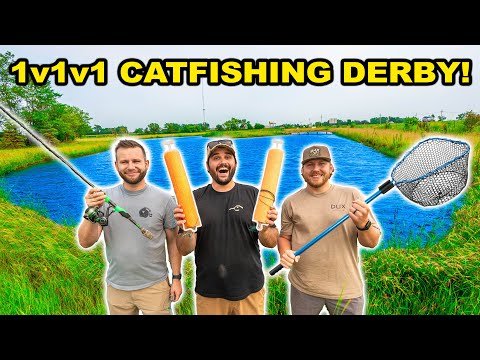
The direct answer to this video is straightforward: FLAIR and the crew build a catfishing challenge around identical tackle boxes, a random wheel spin, and a race to bring in the most total catfish weight for a catch-clean-cook meal. The twist is what gives the video its shape. Everyone starts with the same basic kit, but nobody gets the same access. One angler ends up with a boat, one gets a kayak, and one is stuck fishing from shore. From there, the challenge becomes less about talking up catfish and more about making choices fast.
That structure matters because it keeps the day from feeling like a standard fishing hangout. The crew has to think about bait, rigging, time, and positioning all at once. Even before the first cast, they are trying to solve the same problem three different ways.
The stop at Shields sets that up well. Instead of pretending to know every answer already, the crew leans on a catfishing expert to build the kits. The advice is practical and specific to the video’s own setup: stinkbait for scent, cut bait for meat, and live bait for a bigger bite. That mix gives the challenge some real texture, because each angler can adjust as the day unfolds rather than staying locked into a single approach.
Why stink bait became the early answer
The early part of the challenge makes one thing clear quickly: stink bait is the workhorse. The crew talks through the different bait options, and once the rigs hit the water, that strategy starts producing. It is not framed as magic or a guarantee. It just fits the day. Catfish are being treated as fish that respond to smell, and the video leans into that logic without overcomplicating it.
That is why the bait choice feels so important in this feature. The video is not simply about catching catfish. It is about deciding which method gives you the best chance to stack pounds. The first few fish support the idea that the scented setup can be the most efficient play, especially when the challenge is timed and the goal is total weight rather than trophy size.
There is also a useful contrast here between the promise of live bait and the consistency of stink bait. Live bait is the tempting option when everyone starts talking about bigger fish. Stink bait, though, keeps producing the kind of eaters that actually matter in a weight-based contest. That tradeoff becomes central to the whole afternoon.
Boat, kayak, and shore: how the positions changed the day
The wheel spin does more than assign a ride. It changes the personality of each angler’s day. The boat gives the widest access and the easiest ability to move toward better water. The kayak is more limited, but it still lets the angler reach productive spots and stay close to the action. Shore fishing, by comparison, makes every decision a little tighter. Access matters. So does patience.
That is why the challenge stays interesting even when the fish are cooperating. The boat angler can test more ground. The kayak angler has to manage drift, position, and setup. The shore angler needs a spot that gives them a real shot without the mobility the others have. In a catfishing contest, those differences are not cosmetic. They can decide who gets the first steady rhythm and who has to work harder for every bite.
The kayak segment is especially useful because it shows the logic of the challenge in real time. The angler uses the craft to get closer to productive water, then settles into a methodical routine. That is the right move for catfish fishing in this format: get where the fish are likely to be, keep the baits in the water, and let the scent do the work. It is not glamorous, but it fits the objective.
The warehouse pond twist no one could ignore
The biggest pivot in the video is the warehouse pond. Once that location enters the picture, the challenge stops being just about general catfish water and starts becoming a race against what the crew already knows about their own stocked pond. That matters because it changes the strategy from “find catfish somewhere” to “use the place where the fish are already in the system.”
The warehouse pond also changes the social dynamic of the video. One angler shows up already working the spot, and that instantly puts pressure on everyone else. It is one thing to fish separate waters and compare notes later. It is another thing entirely to realize someone may already be ahead in a place the whole crew helped stock.
That twist is the part of the video that keeps the competition from becoming predictable. The crew had spent time trying a few different ideas, but the stocked pond creates a new kind of urgency. At that point, the challenge is not just about fishing better. It is about fishing smarter with the time left.
What the catch-and-cook ending says about the whole challenge
The last stretch of the video makes the objective feel real. This was never only about bragging rights. It was about having enough catfish for a meal and turning the day into something useful. That is why the crew keeps talking about weight, keepers, and what actually goes on the stringer. Small fish still matter if they add up, but the bigger eaters make the difference when it comes time to clean and cook.
The cooking section also gives the whole feature a satisfying finish without turning into a recipe video. The catfish are cleaned, cut into different sizes, and dusted with seasoning that the crew is still testing. The result is less about a polished culinary process and more about the practical payoff of the day: fish caught, fish cooked, fish eaten. That is the promise of catch clean cook, and the video delivers on it.
There is also a useful little lesson tucked inside the final tasting. Bigger is not always better. The smaller catfish pieces end up being the real surprise, with better texture and less of the stronger flavor that can show up in larger fish. That detail gives the feature a practical edge without inventing anything outside what the video shows. It also explains why the crew seems to care so much about stacking the right kind of fish rather than chasing one giant bite.
Why this challenge works as a companion feature
This video works because the setup forces decisions that actually matter: bait selection, access, timing, and whether to stay with the productive water or gamble on a bigger fish. The challenge format gives the fishing enough structure to feel competitive, but the real interest comes from how the anglers react when the fish start showing up.
For readers, the takeaway is simple. A catfishing challenge like this is never just one thing. It is part gear, part water knowledge, part timing, and part willingness to change plans when one strategy starts producing better than the others. In this case, stink bait proves dependable, the warehouse pond becomes a major advantage, and the catch-clean-cook ending gives the whole day a clear payoff.
Watch the original video: https://www.youtube.com/watch?v=tRH2AGvhEtk
RECOMMENDATIONS
All About The Life designs from Texas Thread Theory, inspired by the places you go and the stories you bring back.
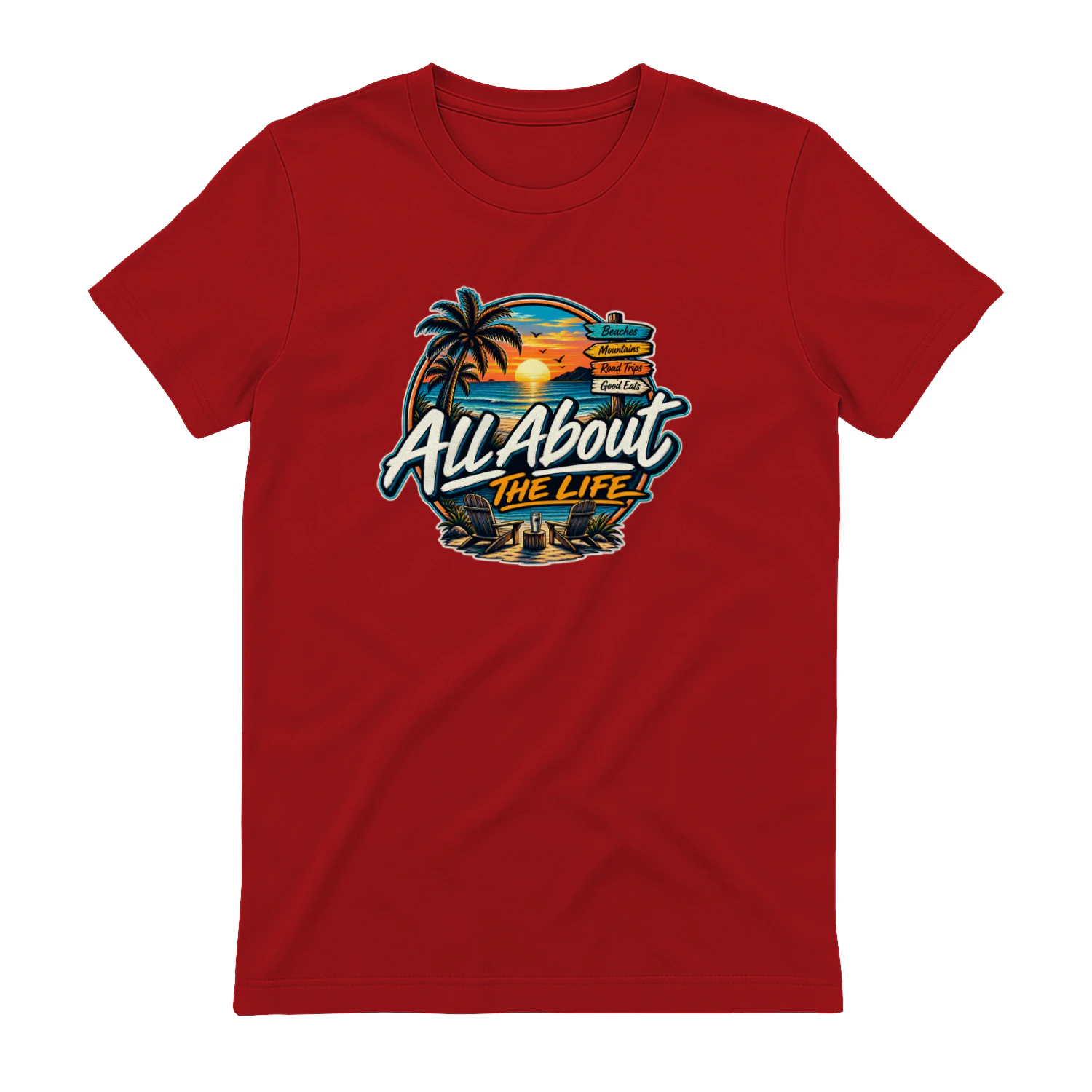
All About The Life Beach Signpost Badge
A tropical All About The Life travel badge featuring a glowing sunset, beach chairs, ocean scenery, and a signpost pointing toward Beaches, Mountains, Road Trips, and Good Eats. It’s a celebration of all the different ways to get out, explore, eat well, and enjoy the good life.