Why this South Florida challenge works as a bigger story
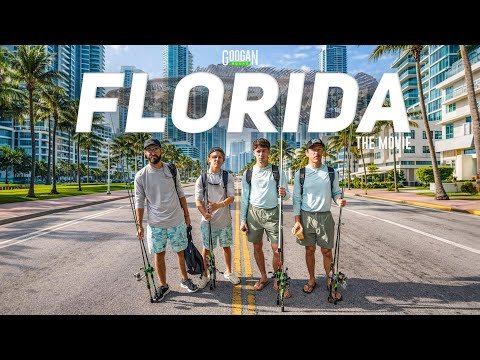
The plain answer is that this video is about a roadside fishing competition in South Florida. Four anglers fan out along canals, ponds, ditches, and roadside pull-offs, trying to rack up species and points under a set of rules that reward invasives, natives, concrete-caught fish, fish after dark, and even topwater bites on the new frog. But that only explains the frame. What makes the video stick is the way the fishing keeps forcing the group to adapt.
There is no single pattern to follow here. A canal can look alive and still refuse everything. A different stretch of water can hold a peacock bass, a largemouth, a snakehead, and half a dozen cichlids in sight of one another. Then the whole pace changes again when the crew reaches saltwater and starts chasing fish by feel, tide, and movement instead of bank-to-bank visibility. The result is less a tidy recap than a moving portrait of what South Florida can do when you keep pulling over and trying the next spot.
The scoring system turns every bite into a decision
A lot of fishing videos use a competition as a loose excuse to keep moving. Here, the rules actually shape the way the day unfolds. In this roadside rumble, invasive fish are worth points, native Florida fish are worth more, and the bonuses make the anglers think about where and how each fish is caught. Landing something from the road or a sidewalk matters. Catching a fish after dark matters. Catching one on the new frog matters. Getting kicked out matters too, but in the wrong direction.
That scoring setup gives the whole trip a restless energy. It is not enough to catch a fish; the crew has to decide whether the fish is worth staying for, whether the bank is public enough to keep fishing, and whether a bonus condition is worth chasing. A small bass from concrete can matter more than a bigger fish from the grass. A snakehead can be exciting on its own, but it also changes the board. Even the frustration of getting told to leave becomes part of the challenge.
Why the canals kept rewarding sight fishing
One of the clearest themes in the video is how much of South Florida fishing happens visually. The anglers keep spotting fish before they hook them: peacocks flashing in clear water, bass moving in weeds, cichlids holding in little pockets, and snakeheads sliding along grass edges. Once a fish is actually seen, the whole approach gets more precise. The cast becomes a placement job rather than a search.
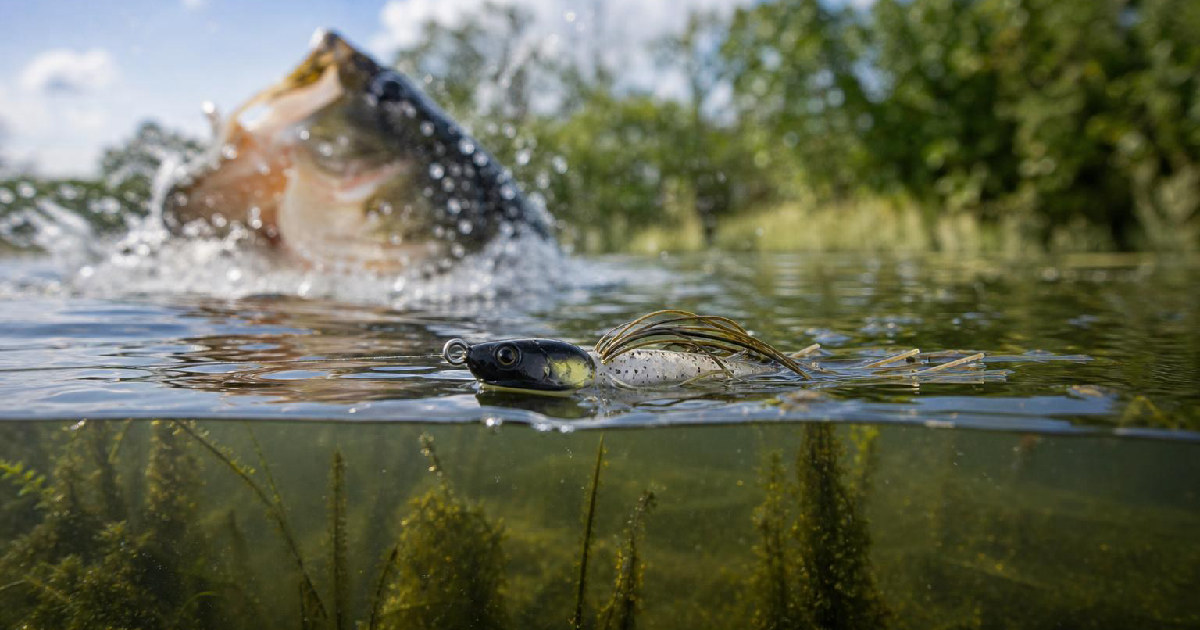
That is especially true around the urban canals and roadside stretches. The water can be shallow and clear enough to read like a map. The crew talks through what they see, changes lures, and works baits slowly enough to let a fish decide to commit. A tiny bait can look out of place until it suddenly draws a bite. A frog can sit just right over grass and trigger a violent eat. In these spots, fishing is as much about choosing a lane as it is about throwing a cast.
The snakehead was the fish that changed the mood
Even with all the species in play, the bullseye snakehead ends up feeling like one of the biggest emotional anchors in the first half of the video. It is the fish the anglers keep circling back to: visible, elusive, and worth real points. When one finally commits to the frog, the reaction is immediate because the bite feels like payoff after a long stretch of speculation.
That catch does a lot of work in the story. It validates the decision to keep walking, keep scanning, and keep throwing topwater around grass. It also reminds the viewer that South Florida’s exotics are not just background clutter. In this video, the snakehead is a legitimate target and a genuine prize. Later, when another snakehead is landed in the catch-and-cook section, it reinforces the idea that these canals are not just holding fish; they are holding a whole separate fishing problem.
Small baits, weird fish, and the value of staying mobile
The video keeps proving that little baits can do serious work here. The anglers throw tubes, snack-sized swimmers, small jerkbaits, and frogs across short distances, often targeting fish they can already see. That approach turns the day into a sequence of quick adjustments. When one lure loses fish in the grass, another with a single hook gets the nod. When one canal looks crowded with one kind of cichlid, the crew moves on and looks for different water.
The mobility matters because the fish communities change so quickly from one spot to the next. One canal can be heavy on Mayan cichlids. Another can offer peacocks and bass. Another can surprise the crew with a Midas cichlid that looks almost aquarium-bright. The movement between spots becomes part of the strategy rather than a backup plan. They are not waiting for one perfect pond to solve everything; they are assembling a result one roadside pull-off at a time.
The saltwater run proves Florida never sticks to one script
Just when the inland challenge starts to feel like the whole story, the video shifts to saltwater and changes the rhythm again. The crew links up with Aens Fishing and heads out looking for bigger coastal action. That change is important because it shows how Florida fishing can slide from canal bank to open water without losing its identity. It is still about adaptation, just in a different setting.
Out on the water, the bites come from a black drum, snook, jack, and eventually a blacktip shark. The fish are stronger, the moves are quicker, and the opportunities are less about sitting on one bank and more about reading water, structure, and bait movement. A bluegill fished as bait becomes the bridge between the two worlds. It starts as a small freshwater catch and ends by drawing a major snook from a tiny canal. That sequence might be the cleanest expression of the whole video: small fish, big expectations, and a state that keeps surprising you.
What the day says about fishing the state’s edges
If there is a single takeaway from the video, it is that South Florida fishing is built on edges. Edges of roads, edges of canals, edges of grass mats, edges of bridge shade, edges of salt and freshwater, and edges of what you expect a spot to hold. The crew keeps finding fish where the margin between one environment and another is thin.
That is why the video feels bigger than a standard multi-species tally. It is not really about a score sheet, even though the score matters. It is about how quickly the landscape can change your plan and how many different answers the water gives back if you keep moving. A roadside bass, a concrete-caught cichlid, a frog-eating snakehead, a bluegill that turns into snook bait, and a blacktip shark in the salt all belong to the same trip. In South Florida, that does not feel random. It feels normal.
Watch the original video: https://www.youtube.com/watch?v=arKp3NoiQbE
RECOMMENDATIONS
All About The Life designs from Texas Thread Theory, inspired by the places you go and the stories you bring back.
Keep Exploring Badge
A vintage outdoor badge centered on one simple message: “Keep Exploring.” With mountains, evergreens, a river, hiking boots, lantern, map, and compass details, it’s made for hikers, campers, travelers, and anyone who is always curious about what’s around the next bend.