Why Austin’s city water mattered before the first cast
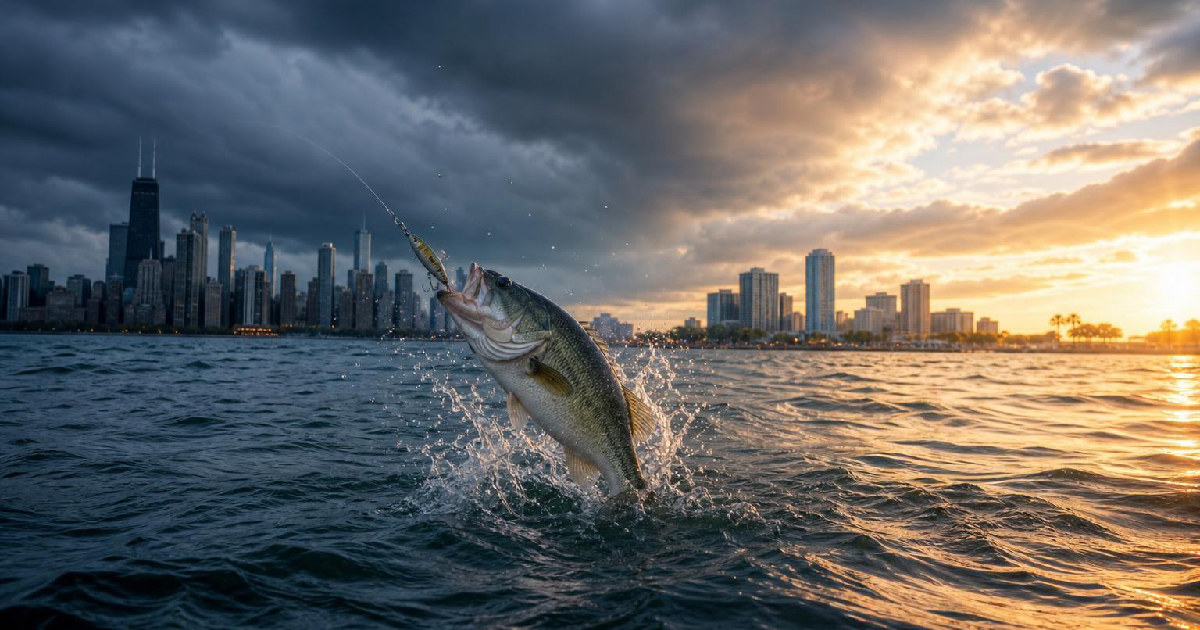
The plain answer is that this urban fishing in Austin trip works because the crew treats city water like real water, not a novelty stop. That changes everything. Instead of framing the day as a quick shot at a random bass, the video keeps coming back to a bigger idea: fish live in the edge spaces of cities, and some of those places can be cleaner, healthier, and more productive than people expect.
That is the core of the Austin episode. Googan Squad is not just driving around looking for scenery. They are moving through urban creeks, ponds, docks, and spillways with a clear goal: catch fish, yes, but also show what lives in plain sight when you stop assuming bass only belong in remote reservoirs. Austin becomes the setting for that argument because the city gives them a mix of cover, water types, and access points that all feel different enough to demand a different answer.
The trip also has a strong local anchor in Grant Langmore. His role matters because he is not introduced as a guest just to fill space. He is the person who knows the water, knows the city, and can explain why Austin’s fishing identity is tied to the grass, the banks, and the hidden pockets tucked inside the urban sprawl.
Grant Langmore’s version of home-water fishing
Grant’s part of the video gives the whole trip its center of gravity. He talks about growing up around fishing, learning from his grandfather and father, and eventually being the kid who liked throwing big swimbaits before that became the obvious thing to do. The story he tells is less about one magical fish than about persistence: time on the water, a willingness to work, and the habit of paying attention to places other anglers overlook.
That background matters because it explains why Austin feels normal to him. For Grant, the city is not a fishing compromise. It is part of the fishery. He talks about the opportunities tucked right up against the skyscrapers and the way hidden water can still produce if you understand how the fish set up. That point shows up again and again through the episode, especially when the crew shifts from open water to shorelines, docks, creeks, and pockets where fish can tuck into shade or grass.
Grant also gives the trip its attitude. He is comfortable moving from one tactic to another and from one kind of water to another, which fits the whole energy of the video. The city is not supposed to be easy. It is supposed to reward people who keep moving and keep casting.
How the crew kept changing tactics as the day changed
One of the most useful things about this video is how clearly it shows adjustment. The group does not stick to one setup and hope the city cooperates. They keep changing based on water depth, cover, and what they are seeing.
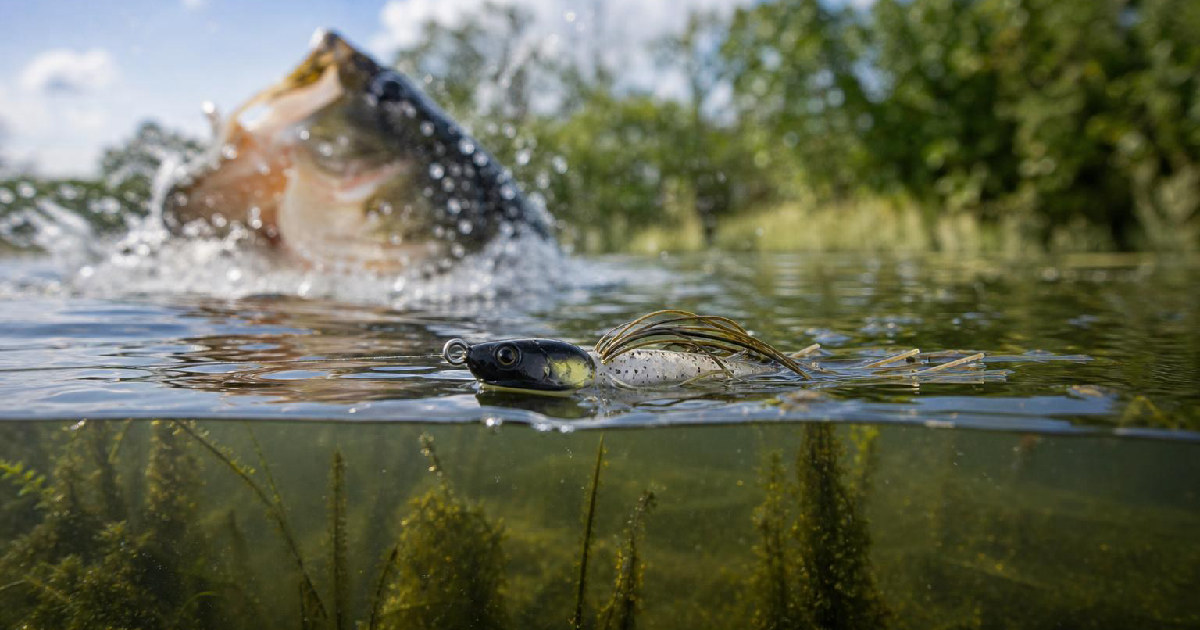
Early on, the fishing leans into bigger offerings around grass and city-lake cover. A swimbait gets the first bites, and that immediately establishes the tone: this is not about tiny finesse-only bites in ugly water. The fish are there, and some of them are willing to eat a bigger presentation if it is put in the right place.
Then the trip starts spreading out. There is punching through grass with the Tug and Bug, fishing docks, skipping around shade, and later downsizing once the crew gets into shallower creek water. That progression is one of the clearest takeaways in the whole video. The fish were not all holding the same way, and the anglers had to read the water in real time.
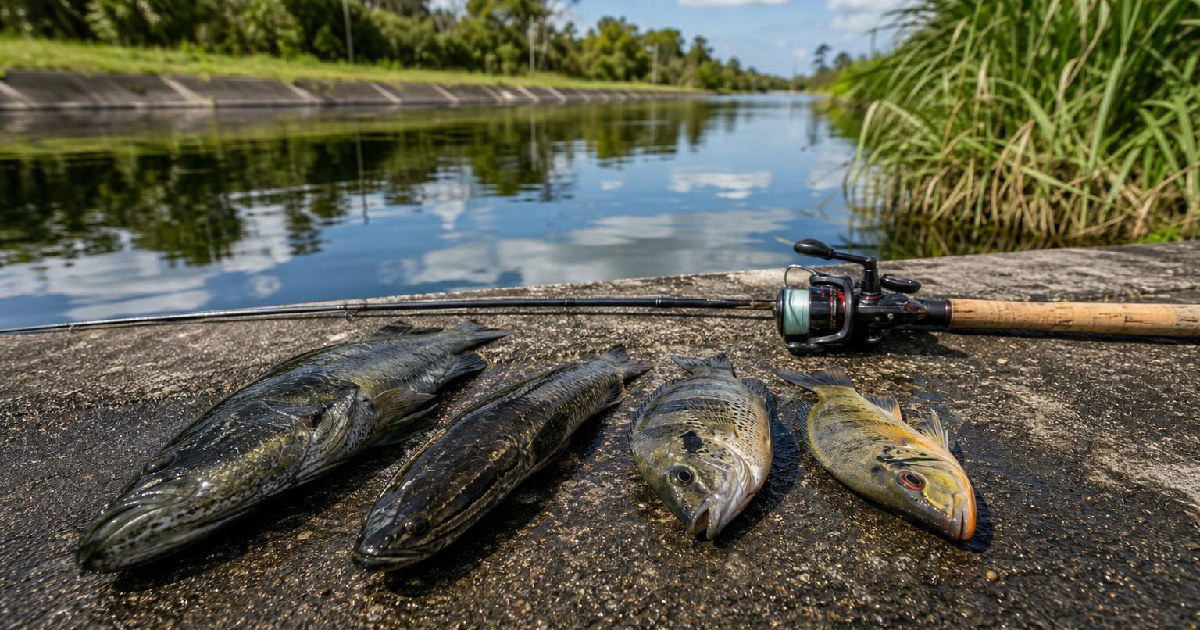
It is also notable that the crew keeps finding different classes of fish and different moods. One moment they are dealing with healthy largemouth bass in grass or under docks, and the next they are watching for hidden creek fish, green sunfish, and even Rio cichlids. That variety makes the city water feel alive rather than predictable.
What the trip says about urban bass fishing
The strongest lesson from the video is that Austin city limits bass fishing is about access, cover, and confidence. The crew repeatedly finds fish in places that many people would pass without a second look: tiny creeks, bank stretches, dock shade, grass edges, marina areas, and pond water tucked into the city.
The video also pushes back on a common assumption about urban fisheries. It does not present city water as a dirty last resort. In fact, one of the most repeated observations is how healthy and clear some of the water looks, especially where the grass has come back. That changes the mood of the whole trip. These are not desperate fish surviving in bad conditions. They are bass using cover, shade, and depth changes the same way bass do anywhere else.
That is why the catches feel meaningful even when they are not all giant fish. A healthy two-pounder, a dock fish, a creek bass in very tight water, and a larger fish that eats near the bank all point to the same idea: urban water can hold a full range of fish behavior if you know how to search it.
The trip also shows why mobility matters. The crew uses the boat, the bank, and even a scooter to keep shifting around the city. That movement is part of the method. In urban fishing, the next productive spot may be only a short walk or ride away, but you still have to be willing to go find it.
The real payoff of fishing hidden water
By the end of the video, the strongest impression is not just the number of fish caught. It is the shape of the experience. Austin gives the crew a version of bass fishing that feels compressed and varied at the same time. They can fish major water, then a dock, then a creek, then a pond, then back to the lake, all without leaving the city’s orbit.
That is what makes the trip stand out. It shows that urban fishing in Austin is not a gimmick built around the idea of “fish where you live.” It is a serious way to approach bass fishing if you are willing to treat the city as a system of connected waters instead of a single body of water.
The clean grass, the shaded docks, the shallow creek pockets, the bank opportunities, and the healthy fish all reinforce the same message: hidden water can be legitimate water. It just asks for more movement, more observation, and more flexibility than a one-spot approach.
For viewers, that is probably the most useful takeaway from the whole trip. If you strip away the banter, the promotion breaks, and the running jokes, what remains is a practical look at how city fishing really works when the anglers know what they are looking for. Urban bass are not a myth. They are just waiting in places most people drive past.
Watch the original video: https://www.youtube.com/watch?v=JvSMvaD8WLE
RECOMMENDATIONS
All About The Life designs from Texas Thread Theory, inspired by the places you go and the stories you bring back.
Worth The Detour
A road-trip-inspired AATL design for scenic routes, mountain drives, back roads, and the unexpected stops that become the best part of the trip.