Why this north vs. south matchup was never just about numbers
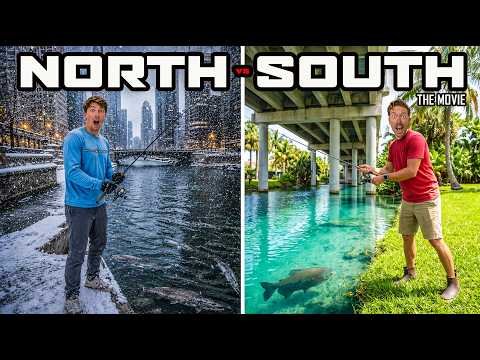
The direct answer is simple: this video is a two-team fishing competition split between Chicago and Tampa, with each side trying to score points by catching listed species over three days. But the more interesting part is how quickly the contest became about judgment instead of volume. A few fish were worth a lot more than a pile of easy ones, and that changed the whole way the crews had to think.
That is what makes this challenge work as a companion feature. It is not just a travel-fishing recap. It is a study in how different fisheries demand different instincts. Chicago asked for patience, cold-water timing, and a willingness to grind through urban structure. Tampa asked for versatility, moving water, and the ability to switch tactics when the obvious flats were not paying off.
Chicago’s cold-front grind: fewer bites, bigger value
Chicago immediately felt like a fight against the season. The crew leaned hard into the idea that there was still fishable water in and around Lake Michigan, but the conditions were clearly working against them. The wind was a constant factor, the air was cold, and the fish they wanted were not scattered randomly. They were tied to current, harbor edges, and little transitions where colder-water species could stack up.
That mattered because the most valuable fish in the challenge were not always the most abundant. The Chicago side found coho salmon and steelhead, and those catches carried real weight because they were the kind of fish that were harder to come by in that setting. The video keeps pointing to the same idea: if you can locate the right pocket of water, Chicago can still produce memorable fish right in the middle of the city.
It also helps explain why the crew kept talking about urban fishing in a more serious way. They were not treating the city as a novelty backdrop. They were treating it as a legitimate fishery with salmon, trout, smallmouth, carp, and more layered into it. The challenge forced that reality into focus. Chicago was not about how many casts you could make. It was about whether the right cast landed in front of the right fish.
Tampa’s variety game: more chances, more moving parts
Tampa was the opposite kind of puzzle. Instead of cold, wind, and fewer visible options, the South crew had warm water, heavy variety, and a long list of species that could potentially score. That sounds easier, but the video makes clear that variety can be its own problem. More species means more decisions, more spots, and more temptation to keep moving when one area does not immediately produce.
The standout catches in Tampa were the ones that fit the challenge structure best: speckled trout, snook, flounder, and gag grouper all entered the story as meaningful species, not just bonus action. The grouper section especially changed the energy of the video. It felt less like standard shoreline fishing and more like a power game under docks and bridge structure, where the strike was sudden and the fight was heavy.
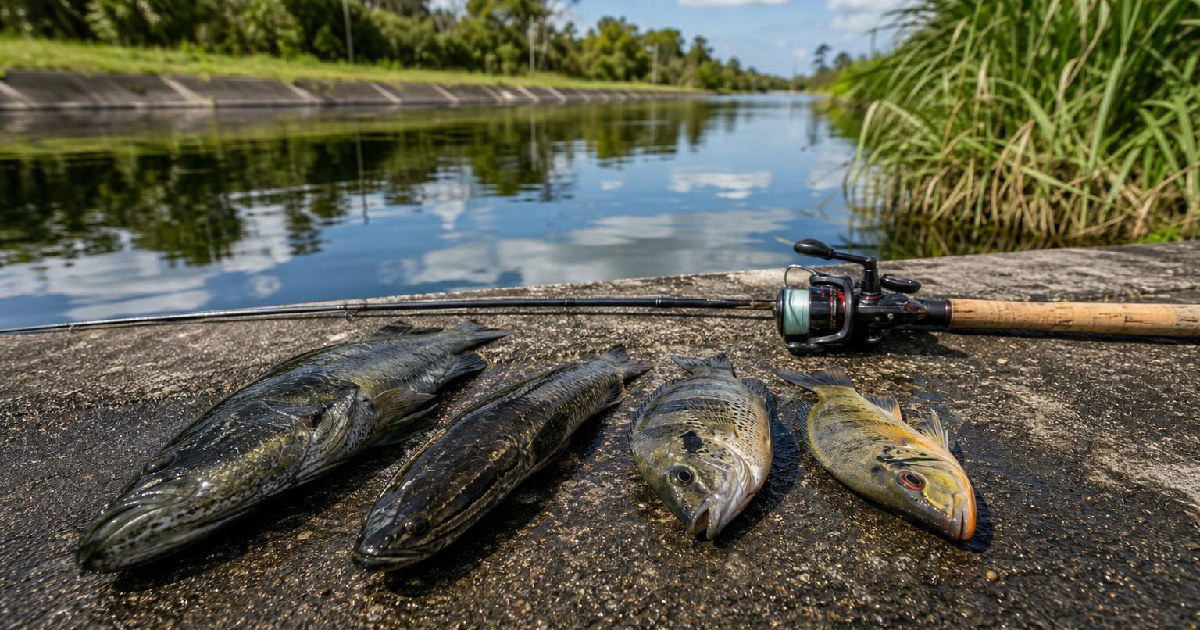
Tampa also showed how a city waterway can be full of life without being easy to score. The crew saw snook and redfish opportunities, but seeing fish was not the same as locking them in. That distinction matters. The South team had more warm-water options than the North crew, but they still had to thread the needle between visibility, pressure, and fish that were clearly in the area but not always willing to cooperate.
The species that swung the scoreboard
This challenge was built around the idea that not every fish is equal. That is what gave the whole trip its tension. In Chicago, the coho and steelhead were the headline pieces because they were more difficult, more valuable, and more tightly tied to the conditions. In Tampa, the South crew stacked a broader mix, including speckled trout and flounder, while the gag grouper became one of the most memorable fish of the entire trip.
What stands out is how often the lure choice matched the setting rather than the species on paper. Hair jigs, small plastics, and subtle presentations kept showing up when the fish were cold-water or pressured. In Florida, the crew leaned on moving soft plastics, fly presentations, and dock-oriented tactics when the water and structure called for it. That pattern tells you a lot about why the contest stayed close in spirit even when one side seemed to be collecting more fish.
The scoring system also gave the footage a little extra life. A single uncommon fish could offset a lot of dead water. That is why the Chicago catches felt so dramatic: they were not just fish, they were leverage. Tampa had more species on the table, but the North side’s harder-to-find fish gave the colder city a real shot at staying alive in the points race.
What this challenge says about urban fishing when conditions get weird
One of the quiet strengths of the video is how it treats city fishing as a real set of decisions, not a novelty route between landmarks. Chicago and Tampa both proved that urban water can hold plenty of fish, but the trick is understanding what kind of fish, what kind of water, and what kind of mood the conditions have created.
Chicago rewarded the anglers who could read current seams, harbor mouths, and spots where cold-water species moved in and out with the season. Tampa rewarded the anglers who could keep adjusting between flats, docks, bridges, and mangroves without getting stuck on one idea. In both places, the fish were there. The problem was making the right presentation at the right place before the window closed.
That is probably the most useful takeaway for viewers. The challenge looks like a simple face-off between North and South, but the real lesson is about adaptability. Big cities do not automatically mean easy fishing, and familiar tactics do not always travel well. A bait that makes sense on paper can be ignored in the water. A spot that looks perfect on a map can fish dead once you get there. And sometimes the difference between a quiet day and a scoring day is a single better adjustment.
Watch the original video
Watch the original video: https://www.youtube.com/watch?v=UyCBfwDxIkM
RECOMMENDATIONS
All About The Life designs from Texas Thread Theory, inspired by the places you go and the stories you bring back.
Keep Exploring Badge
A vintage outdoor badge centered on one simple message: “Keep Exploring.” With mountains, evergreens, a river, hiking boots, lantern, map, and compass details, it’s made for hikers, campers, travelers, and anyone who is always curious about what’s around the next bend.