Why this hunt starts with the place, not the outcome
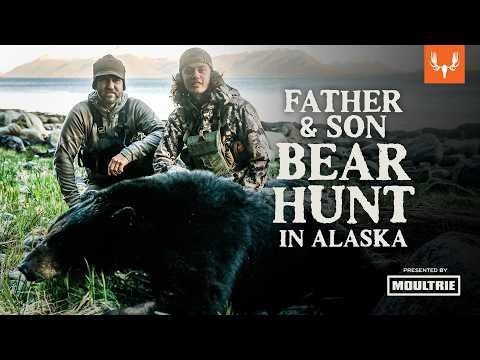
The direct answer to what this video is about is simple: it is a boat-based black bear hunt in Southeast Alaska, told through a week of rain, tide changes, skiff travel, and one very narrow archery challenge. But the place is doing most of the work here. Before there is any talk of success or failure, the video establishes a landscape that shapes everything else. The shoreline is where the bears feed. The weather is rough enough to limit movement. The water dictates access. And the hunt begins to feel less like a series of shots and more like a test of whether the people on the boat can keep matching the rhythm of the coast.
That matters because Southeast Alaska is not presented as a backdrop. It is the hunt’s main pressure. The video makes clear that the bears come down to feed when the tides pull back and expose mussels and tidal grass. In other words, the hunt is tied to a cycle that is bigger than the hunters. You are not simply looking for a bear in the woods; you are reading shoreline, wind, water, and light at the same time.
Life on the Sandpiper changes the rhythm of the hunt
Living on David Bennett’s boat, the Sandpiper, gives the trip its own shape. The crew is not based in a cabin and driven to a trailhead. They anchor in coves, move by skiff, check pots, watch weather, and work around the sea. That setup makes the trip feel practical and intimate at once. It also means the hunt has to share space with everything else that comes from living on the water: shrimping, crabbing, cooking, staying warm, and simply getting where the bears are.
The little details matter because they tell you how the trip actually functions. Rain gear is constant. The group checks shrimp pots and pulls up spot shrimp and Dungeness crab. Food is not an afterthought; it is part of the week’s structure. That keeps the experience from becoming a single-minded stalk-and-shoot story. Instead, the hunt sits inside a working boat routine, where the same water that carries the skiff also provides dinner.
There is also a nice contrast between the boat and the shoreline. On the Sandpiper, there is shelter, coffee, and a dry place to move around. Outside, there is cold rain, wind, and long waits for the right bear to appear. The boat does not remove hardship, but it does make the hunt possible.
A bowhunter’s limit becomes the central tension
Clay’s self-imposed 10-yard limit is the feature’s most revealing idea. He is hunting with a self bow, an Osage orange bow Bear built by hand, and that choice pushes the whole hunt into a different register. This is not presented as a stunt or a gimmick. It is framed as a constraint that demands discipline. If he wants a shot, he has to get very close. If the bear is facing the wrong way, if the wind shifts, if the shot angle is off, the opportunity is gone.
That is why so many of the stalks matter even when nothing gets harvested. The video spends real time on the grind of the approach: crossing water, waiting for wind, slipping through cover, trying to stay hidden in the open, and repeatedly coming up short. The hunt becomes a lesson in how much of close-range bowhunting is about timing and how little of it can be forced.
The video is also honest about the difference between confidence in theory and reality in the field. Clay thinks 10 yards might be manageable, then discovers how difficult it is to close that distance on a bear that may be calm, alert, or just moving in the wrong direction. That tension gives the trip its backbone.
Bear’s first Alaska bear gives the trip its anchor
Bear Newcomb’s first trip to Alaska is not treated as a side note. It gives the whole hunt another layer. The country is new to him, and the place seems to be landing with the same force it would on anyone seeing it for the first time: rain, whales, glacier ice, huge shoreline bears, and the sheer amount of life packed into the coast. The video quietly suggests that this will stay with him long after the week ends.
His bear is a major moment, but not because it resolves the story neatly. It matters because it shows what this kind of trip can offer when the weather opens up and the wind cooperates. The stalk works. The rifle shot connects. The bear is found. And the hunt suddenly has a tangible center. From there, the story is allowed to widen again into everything around the kill: the skinning, the stone knives, the old bear’s age, the food, and the shared experience of being on the coast together.
That first success also changes the emotional tone for Clay. He gets to see his son succeed, but he also has to keep working through his own more difficult bow hunt. That contrast feels very human. One person’s clean result does not make the other person’s struggle disappear; it simply gives the week another kind of memory.
The miss that matters, and what the video refuses to smooth over
The most compelling part of the hunt is not the eventual close approach or the near-miss stalks. It is the bow shot that does not penetrate deeply enough and the uncomfortable honesty that follows. Clay knows immediately that something is wrong. He and David track what they can, then return the next morning and keep looking. Later, a separate hunter ends up with Clay’s broadhead in a different bear’s shoulder, which confirms that the animal was not mortally wounded.
That outcome could have been brushed past, but the video does not do that. Instead, it sits with the disappointment and the relief together. Clay says the bear hunt is over. He acknowledges that he messed it up. He also makes clear that his self-imposed distance rule was part of trying to avoid exactly this kind of result.
That kind of ending gives the feature its honesty. A hunt can be challenging and memorable without being neatly triumphant. In this case, the missed arrow does not cancel the week’s meaning. If anything, it sharpens it. The limits of primitive gear, the pressure of shot placement, and the ethics of restraint all become more visible because the hunt does not paper over the failure.
Why the ending feels bigger than a tag and a meal
The final notes are not about a scoreboard. They are about the combination of food, place, and company. There is backstrap, shrimp, weather, and one last reminder that the coast keeps moving whether the hunters succeed or not. Clay says the trip is less about proving something against an animal or a landscape than it used to be. That is the clearest statement in the piece, and it fits the whole arc.
What remains is a coastal hunt that only makes sense if you include the boat, the tides, the rain, the first-time Alaska experience, the old bear, the failed shot, and the shared meals. The hunt is not reduced to the cleanest possible outcome. It is allowed to be what it was: a hard week on the water, a first bear for Bear, a lesson in close stalking, and a reminder that wild places can still demand humility.
Watch the original video: https://www.youtube.com/watch?v=2OEXSfTX4Ps
RECOMMENDATIONS
All About The Life designs from Texas Thread Theory, inspired by the places you go and the stories you bring back.
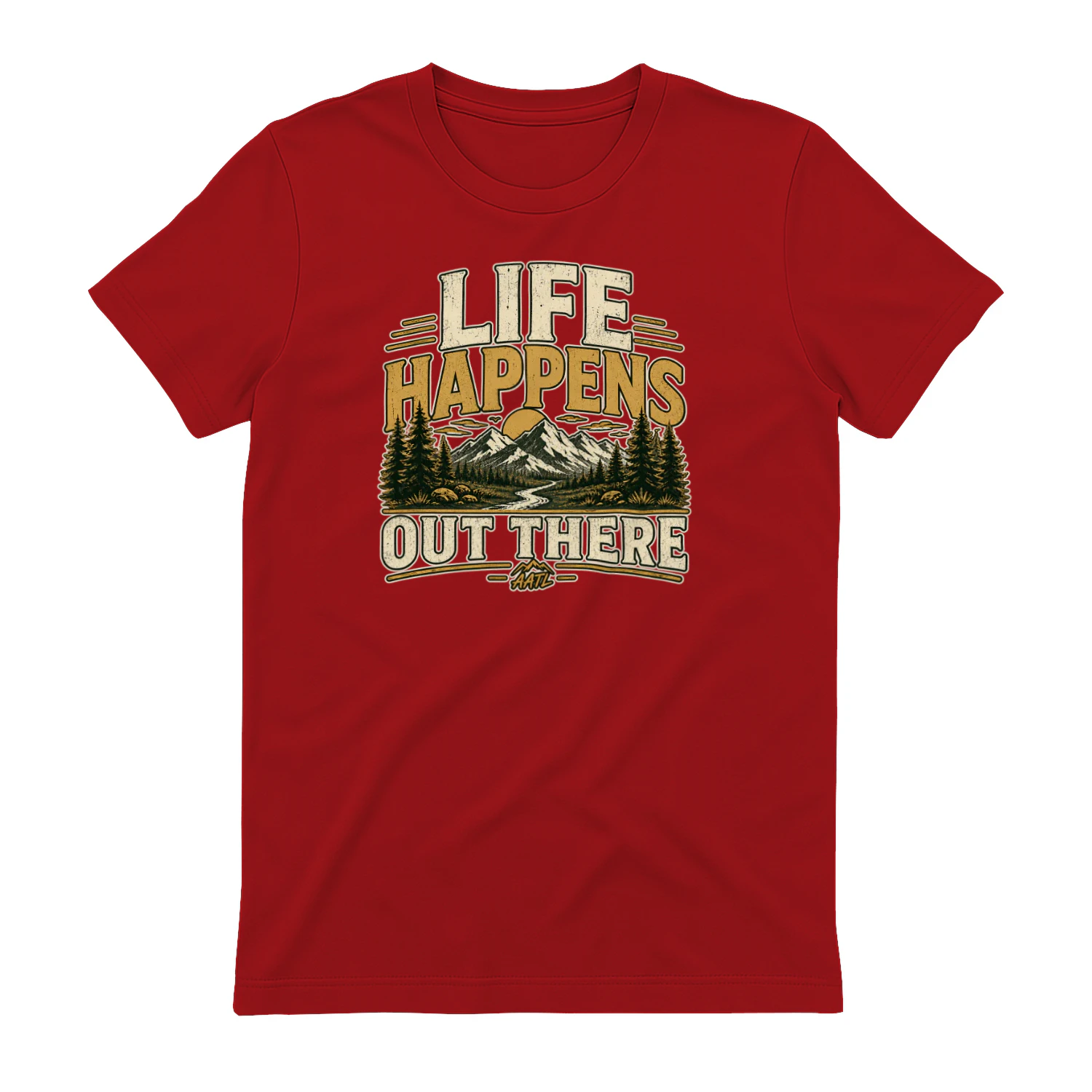
Life Happens Out There
An outdoor-focused AATL design celebrating mountains, forests, hiking, camping, road trips, and the simple idea that life happens when you get out there and explore.