Opening day was really a hunt for keepers
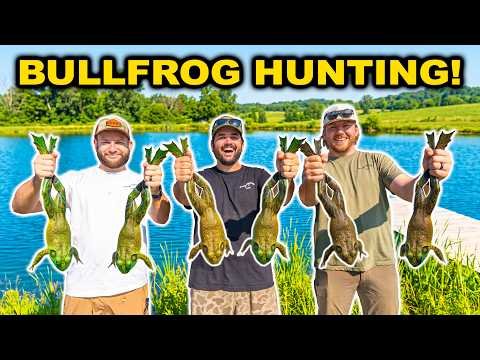
The clearest way to read this video is simple: opening day bullfrog hunting is less about piling up action and more about finding legal frogs worth bringing home. FLAIR and the crew split the day into a one-vs-one-vs-one challenge, each person working his own area and trying to come back with the strongest harvest. That setup matters because it changes the way the whole outing feels. This is not a group hunt where everyone crowds the same water. It is individual, competitive, and shaped by a hard limit on what actually counts.
If you want the direct answer, the video follows FLAIR and the boys as they head out for opening day, split up across different spots, chase bullfrogs with topwater-style lures, and finish with a cookout built around the frogs they keep. The fun is in the process, but the day only really pays off when they find keeper-sized frogs under Nebraska’s size rules.
Why the one-vs-one-vs-one setup mattered
The competition is the backbone of the episode. Instead of treating opening day like a casual group outing, the crew turns it into a genuine challenge: who can harvest the most bullfrogs before giving up or limiting out. That structure creates a natural rhythm. Each hunter gets to choose his own water, work his own pace, and make his own decisions about when to move on.
That approach also reflects something the video keeps circling back to: bullfrog hunting is easier when people are spread out. FLAIR argues that if everyone is running the same water, the group becomes less efficient. The video treats that as more than a joke. It becomes the logic behind the whole day. Search separately, cover more ground, and avoid stepping on each other’s spots.
There’s also a practical side to the competition. The crew is not just chasing numbers for bragging rights. They are chasing frogs that meet the rules. A small frog may make for a good hook-up, but it doesn’t help the pot. That means the contest is really about judgment: which frogs are worth pursuing, which ones should go back, and which spot has the best chance of producing a keeper.
Moving from pond to pond and reading the water
The hunt moves across several different waters, and the video makes a point of treating each one like its own puzzle. One place is described as home turf, where the crew already knows frogs have been around through the spring and summer. Another is a neighbor’s pond that is supposed to be loaded. Another is a hatchery spot that still seems to hold frog life even though it hasn’t had fish stocked there in a year.
That variety gives the episode its shape. The frogs are not presented as interchangeable. One pond looks promising because of shallow edges and cover. Another seems better for sneaking and making careful casts. Another gives off the kind of vibe where patience might matter more than speed. FLAIR keeps adjusting his approach, switching between a larger and smaller frog lure depending on how tight the target is and how precise the cast needs to be.
The best parts of the hunt come from reading what the frogs are doing rather than just slinging bait blindly. The crew spots frogs sunning on mats, sees wakes, notices movement near docks, and works slowly when stealth matters. In several cases, the real challenge is not getting a bite. It is getting the frog all the way in without losing it, especially when the fish comes off close to the bank or halfway to the net.
The size limit changes the whole hunt
One of the most important details in the video is also one of the least glamorous: the size rule. In Nebraska, the frogs have to be 4.5 inches or larger to keep. That single detail changes everything about the outing. It means the crew is not simply counting hookups. They are measuring, deciding, releasing, and sometimes celebrating a catch that still doesn’t make the cut.
That rule becomes a running source of frustration and humor. FLAIR repeatedly hooks small frogs, gets excited, and then has to send them back. The joke lands because the gap between “caught” and “keeper” is so much bigger than it sounds. Catching a frog is one thing. Catching one that qualifies is the real prize.
The rule also explains why the group keeps talking about meat and feast potential. They are not after a trophy hunt in the traditional sense. They want enough legal frogs to turn into dinner. That’s why a few of the bigger catches feel like genuine turning points. When FLAIR lands frogs that clear the measure, the mood changes immediately. The hunt stops being theoretical and starts looking like an actual meal.
The biggest frog changes the tone
The most striking moment in the video is the giant frog FLAIR hooks later in the day. He describes it as the biggest frog he has ever caught, and the reaction from everyone around him makes it clear that this one feels different from the rest. It is not just a keeper. It is the kind of frog that dominates the whole conversation.
What makes that catch so memorable is that it comes after so many smaller misses and close calls. The day has already built a pattern of almosts: frogs that shake off, frogs that don’t quite measure, frogs that look promising until the tape comes out. Against that backdrop, the giant frog feels like the payoff the crew had been chasing all along.
The group immediately starts talking about the scale of it, including how absurd it looks against the bucket and how it could be mounted like a trophy. That reaction matters because it shows how bullfrog hunting in this video is about more than filling a limit. There is a real fascination with the size, the oddness, and the bragging rights of a frog that dwarfs everything else they’ve seen.
From harvest to cookout: how the day ended
The second half of the story moves from water to kitchen, and that shift gives the episode its payoff. The frogs are cleaned, brought back, and turned into an opening-day meal alongside burgers, fries, and a full cookout with friends. The food portion is not treated like a throwaway epilogue. It is the reason the whole hunt feels worth organizing in the first place.
The crew talks through the way they coat and fry the legs, and FLAIR explains a method he prefers for keeping the batter on. There’s plenty of joking, but the actual point is clear: this is a practical, repeatable meal built from the harvest. The work on the water turns directly into food on the table.
That’s also why the episode works as a companion feature rather than just a recap. The day has a clear structure: split up, hunt hard, measure carefully, keep only the legal frogs, then bring everyone together to eat. The opening-day cookout is the payoff for all of it.
By the end, the hunt has become something bigger than a simple catch count. It’s a seasonal marker, a challenge among friends, and a reason to gather after the work is done. FLAIR’s opening day bullfrog hunt shows how a specific outdoor tradition can be both competitive and communal at the same time.
Watch the original video: https://www.youtube.com/watch?v=Gxr6pZDIJ1M
RECOMMENDATIONS
All About The Life designs from Texas Thread Theory, inspired by the places you go and the stories you bring back.
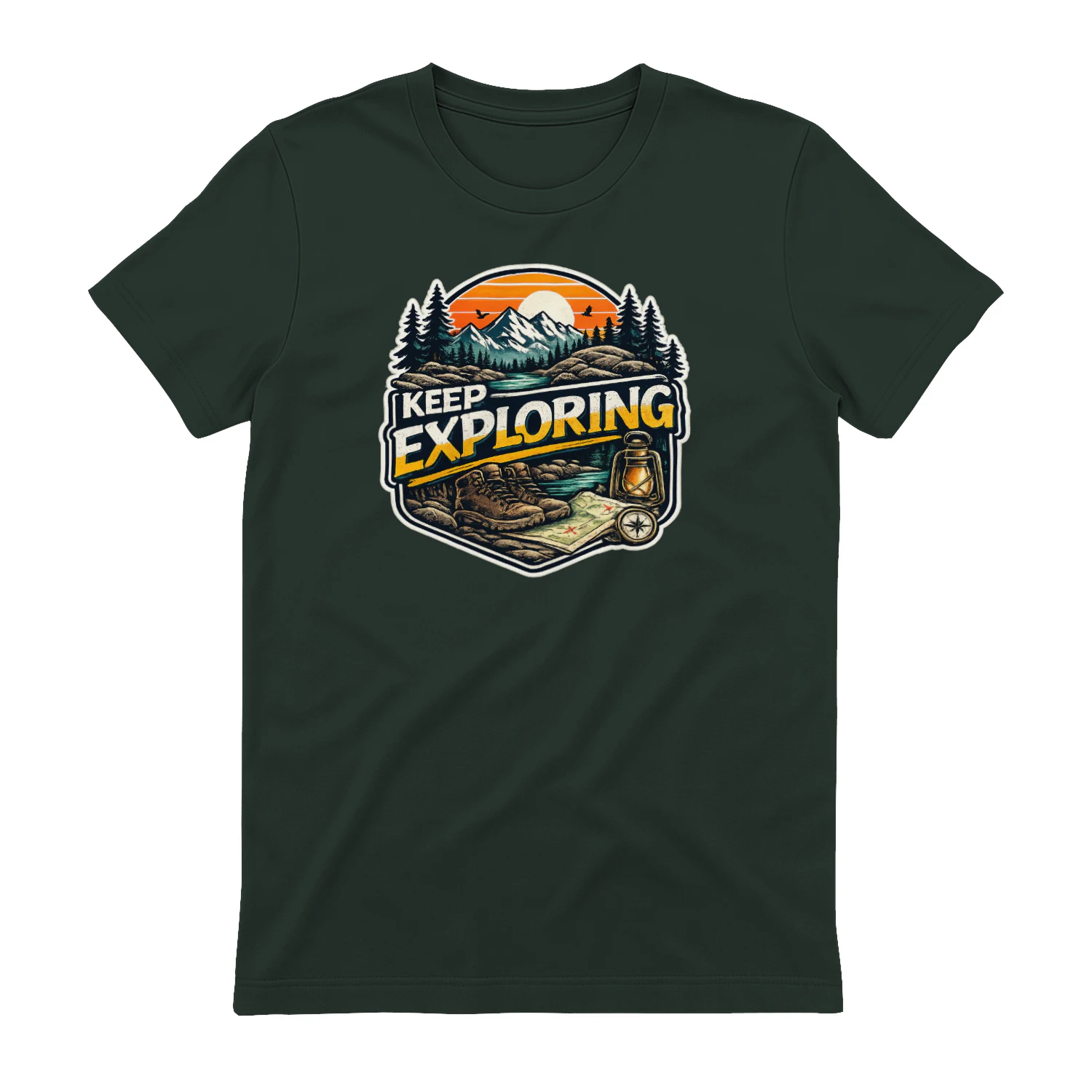
Keep Exploring Badge
A vintage outdoor badge centered on one simple message: “Keep Exploring.” With mountains, evergreens, a river, hiking boots, lantern, map, and compass details, it’s made for hikers, campers, travelers, and anyone who is always curious about what’s around the next bend.