Why this Alaska fish shack is the center of the whole trip
The easiest way to understand this episode is to treat the Southeast Alaska fish shack as more than a setting. It is the organizing idea. Steve Rinella returns to a place he and his brothers bought sight unseen years ago, and the video keeps circling back to what that decision means now: when you are out there, you are committed. You cannot just run for a missing tool or fix a plan with a quick trip into town. You make do, you repair what you can, and you keep the whole operation moving.
That reality gives the video its shape. The goal is not one trophy fish or one perfect meal. It is to pull together as much seafood as possible from a place that rewards effort and punishes carelessness. The result is a portrait of a remote Prince of Wales Island base where the work is part of the pleasure.
The easy part is the scenery; the hard part is keeping the place running
The episode opens with nostalgia, but it quickly turns practical. Before anyone can fish, the basics have to work. Water has to run. The generator has to run. A shack that sounds romantic from a distance is still a place that asks for maintenance, improvisation and patience.
That is one of the video’s best quiet points. In many fishing stories, the water is the only thing that matters. Here, the infrastructure matters too. A remote Alaska base is not a backdrop; it is a system. If the system fails, the fishing never really starts.
There is also a strong sense that the place has been built into a family habit. Steve talks about his brothers, about returning year after year, and about the way the island has become stitched into their lives. That emotional thread matters because it explains why the work feels worth it. The shack is not simply a camp. It is a repository of memory, effort and continuity.
Pots, dives and the long search for what’s actually down there
Once the basics are handled, the episode moves into the first layer of harvest: shrimp and crab pots. The video treats pot fishing as a lesson in humility. You bait the pots, set them, and then find out whether you chose the right place. Sometimes the answer is not enough, or not where you expected, or not at all. The ocean does not care what you assumed from last season.
That uncertainty is part of the appeal. Spot prawns, Dungeness crab and the whole pot routine become an exercise in reading a living system that never gives up its patterns easily. The crew talks through depth, bottom type and the maddening fact that animals move. Some days the pots produce enough to make the effort feel obvious. Other days they remind you that fishing is often a long sequence of guesses.
The diving sections deepen that theme. Steve describes trying to work low tide for sea cucumbers and rock scallops, and the video makes clear that both species are as much about searching as they are about taking. Sea cucumbers are straightforward enough once you know what you are looking for. Rock scallops, by contrast, are elusive enough to feel like a personal puzzle. Steve says he wants to get better at finding them, and that desire matters. This is not just harvesting. It is a skill set he still wants to build.
When the rod and reel take over
For all the variety on display, Steve is plain about where his real passion lives: hook and line. That may be the most revealing line in the whole episode. The pots and dives are valuable, the seabed is full of surprises, and the seafood haul is the point, but the rod and reel still feel like the most direct connection between person and fish.
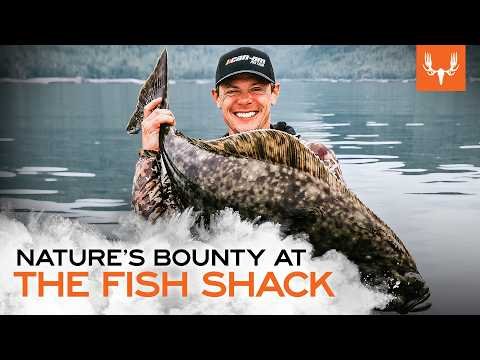
That is where the halibut and rockfish sections fit in. The halibut fight brings a surge of excitement, but the video does not play it as a simple conquest. It emphasizes the awkwardness of managing a bigger fish in a smaller boat, and the logic of using a harpoon to control the situation safely and keep the fish from running the show. That detail gives the sequence a real working edge. It is not just about landing fish. It is about handling them well.
The rockfish moment is smaller, but it matters because it shows the day’s rhythm. Not every catch has to be the fish of a lifetime. Sometimes it is enough to find a keeper and appreciate the fact that the water is offering something at all.
The deep-drop experiment that turns into the biggest lesson
The most memorable stretch of the episode is the deep-drop attempt for black cod, also called sablefish. Steve calls it a new skill for the Fish Shack, part of a family policy of learning something new each year. That idea gives the whole sequence a different energy. This is not just about catching dinner; it is about expanding the base’s collective knowledge.
Deep dropping in 1,500 feet of water is presented as a different world entirely. The process is slow, deliberate and a little absurd, especially when the crew is sending gear down for what feels like forever and still has to wait to find out whether they are in the right spot. When the black cod finally comes up, the fish is smaller than Steve had hoped, but the satisfaction is obvious anyway. The point is not only size. The point is proving the method works and that the place still has something new to teach them.
That makes the black cod catch feel bigger than the fish itself. It is the episode’s clearest example of how a hard-earned first success can matter more than a perfect result.
What the final plate says about the place
The last meal is restrained on purpose. The seafood is cooked simply so it can speak for itself: black cod, scallops and the rest of the catch, with just enough seasoning to let the texture and freshness do the work. Even here, the episode stays honest. The scallops are a little overcooked, and Steve says so. That kind of detail helps because it keeps the story grounded in actual use rather than polished fantasy.
The meal also brings the episode’s larger theme into focus. The seafood is good, but it is the accumulation of effort that makes it feel satisfying. Every item on the plate has a backstory in weather, depth, timing, guesswork and patience. That is what gives the final food scene its weight.
If there is a single takeaway from the trip, it is that this Alaska fish shack is built on repetition, learning and respect for the place. The crew is not just visiting Southeast Alaska. They are participating in it, and the water keeps forcing them to earn their way in.
Watch the original video: https://www.youtube.com/watch?v=wPzpdQvyXkU
RECOMMENDATIONS
All About The Life designs from Texas Thread Theory, inspired by the places you go and the stories you bring back.
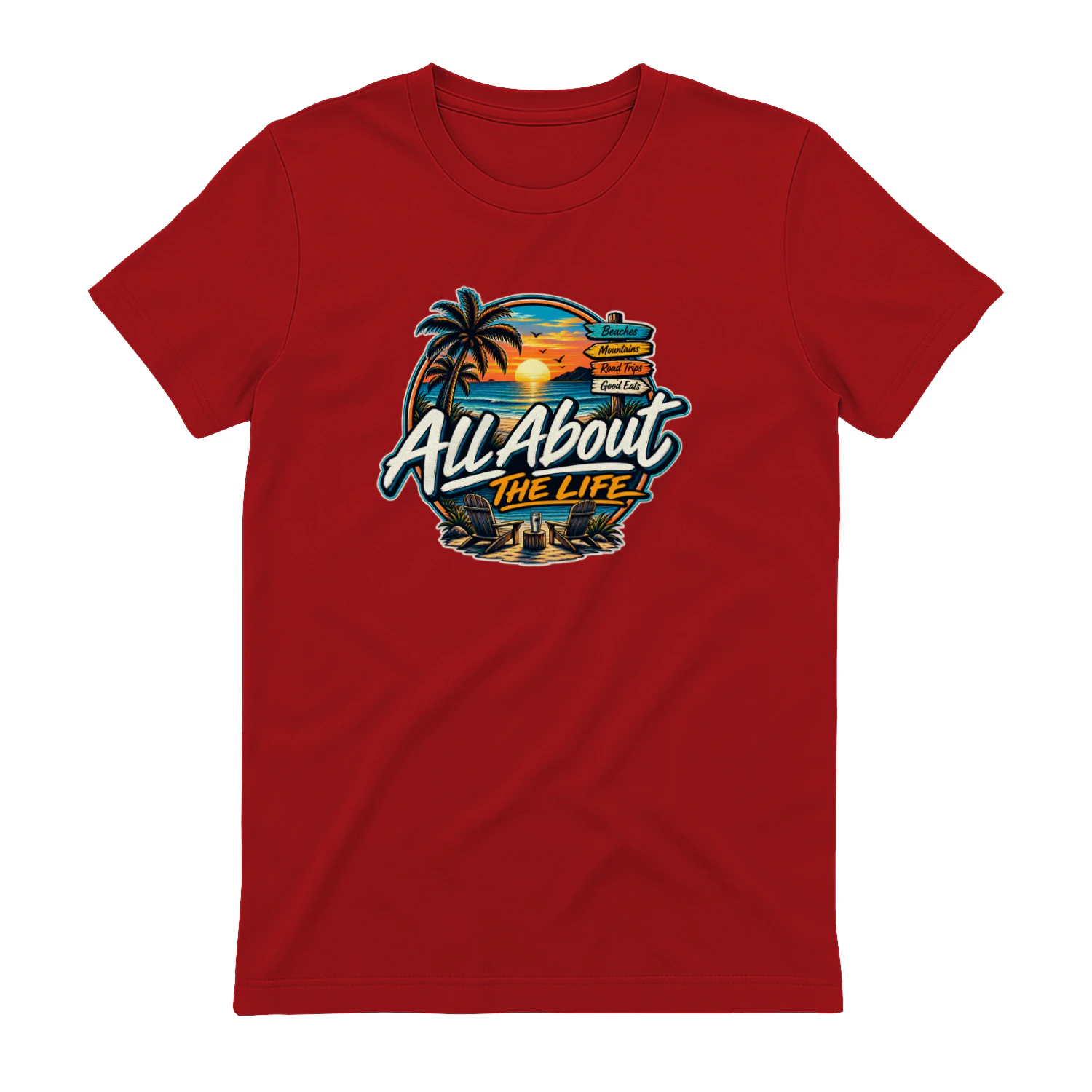
All About The Life Beach Signpost Badge
A tropical All About The Life travel badge featuring a glowing sunset, beach chairs, ocean scenery, and a signpost pointing toward Beaches, Mountains, Road Trips, and Good Eats. It’s a celebration of all the different ways to get out, explore, eat well, and enjoy the good life.