A coastal route built on flexibility
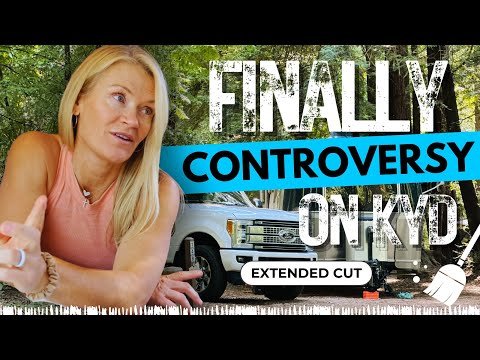
The short answer is that this Oregon Coast RV leg works because the trip is spontaneous without being careless. Keep Your Daydream keeps changing plans in small, practical ways: they leave Lake Tahoe, detour for a burger stop they do not want to miss, call ahead for a place to sleep, regroup in Grants Pass, shop with a system, and then keep heading north toward Newport and the coast. The episode is built around movement, but the real story is how they manage that movement.
That makes the video feel less like a travel diary and more like a working example of how RV travel actually happens when the route is not locked in. You can hear the uncertainty in the conversation, but you can also hear the habits underneath it: check the route, call when needed, keep a backup plan, and stay ready to shift again if the road or the campground changes the situation.
The reservation-free part has a method to it
The obvious premise is that they are traveling through Oregon Coast country without reservations during a busy stretch. That sounds risky, and the episode does not pretend otherwise. But the way they handle it shows that “no reservations” does not mean “no planning.” It means planning later, on the move, with the information in front of them.
A good example is the church parking lot stop. Rather than simply pulling in and hoping for the best, they call ahead, explain what they are doing, and get clear direction on where to park. That small decision does a lot of work in the story. It keeps the night calm, avoids awkwardness, and fits the tone of the trip: not official campground luxury, but still respectful and organized.
The same mindset shows up again at the RV park in Newport. What looked like a first-come situation turns out to be more specific than they expected, and the plan has to change again. That is really the point of the episode. The coast is beautiful, but the logistics still matter. The trip is not about pretending logistics do not exist; it is about handling them without letting them take over the mood.
Why the church stop mattered more than the parking space
A lot of RV travelers would focus on the fact that they found a place to sleep. Keep Your Daydream focuses on something slightly different: permission, courtesy, and the comfort of knowing the rig is not in the way. That matters because it changes the emotional temperature of the stop. Once they know where they should be, the night becomes easy.
It also gives the episode one of its most distinct small-town moments. They are not treating the church like a loophole. They are treating it like a favor they need to handle responsibly. That fits the way they describe previous church stays, too. The episode suggests that churches have repeatedly been part of their travel rhythm, especially on bike trips and RV routes where an overnight stop can be the difference between stress and a workable plan.
The result is a version of boondocking that feels human rather than reckless. They do not brag about getting away with anything. They just appreciate that a local answer made the night simple.
Food planning as travel strategy, not just dinner
If the road story is about flexibility, the food story is about structure. Tricia’s grocery planning turns out to be one of the clearest examples of how this family makes travel easier on themselves. Her list is organized by category, and that is not presented as a chef trick or a content flourish. It is a practical system for keeping the RV stocked, reducing store wandering, and making it easier to see what they are actually eating.
That organizing instinct runs through the whole shopping sequence. The groceries are not random snacks and convenience food; they are ingredients for a couple of planned meals, including a quinoa chicken bowl, steak, vegetables, herbs, and dressing components. The camera catches the process of washing herbs, trimming them, storing them, and getting ready for several days of travel. The point is not that they cooked a perfect meal. It is that they built an easy one on the road.
Even the conversation around leftovers says something useful about how they travel. Cooking for four when only two are eating is a deliberate choice. It means less scrambling later and better lunches in the days ahead. That is an ordinary RV lesson, but the episode makes it feel concrete rather than abstract.
Newport turns the trip toward lighthouses and tide pools
Once the rig finally makes it to Newport, the video shifts from logistics to landscape. The mission for Oregon, as they say, is lighthouses, and Newport becomes the place where that goal starts to pay off. The stop at the lighthouse and the tide pool area gives the episode a different pace. Instead of parking, unhooking, and reorganizing, they are walking on volcanic-looking rock, taking in the shoreline, and reacting to the coast in real time.
The tide pool section is especially memorable because it feels grounded in observation rather than explanation. They notice the rocks, the sea edge, and the unusual terrain underfoot. The host tone becomes almost wonder-struck without losing its practical edge. This is still an RV trip, after all, so even the beauty gets framed through access, parking, and proximity.
That balance is one of the reasons the episode works. It does not separate “travel” from “life.” The same people who are sorting out a broom in the RV, checking a level system, and debating parking spaces are also standing near the coast, looking at a lighthouse, and figuring out where the tide line is.
What this leg says about the way they travel
This episode is really a portrait of how a mobile lifestyle holds together. It is not held together by perfect schedules or flawless campground bookings. It is held together by routines that can flex: phone calls, grocery lists, a willingness to reroute for a meal, and enough experience to know when a parking situation needs another look.
That is why the episode feels more useful than a simple scenic roll. It shows the everyday decisions behind a trip that looks easy once it is edited down. They are dealing with the normal RV stuff—leveling, storage, water concerns, dry camping, the occasional oversized object that has no obvious home—while still leaving space for the kind of coastal stop that makes the whole route worth doing.
The Oregon Coast leg is not about pretending to travel without friction. It is about showing that you can still have a good trip when the friction is managed well. The coast changes, the campground assumptions change, and the food plan has to adapt. But the day still ends with a lighthouse, a shoreline, and another leg of the journey ready to begin.
Watch the original video: https://www.youtube.com/watch?v=q1RywuPYzhA
RECOMMENDATIONS
All About The Life designs from Texas Thread Theory, inspired by the places you go and the stories you bring back.

Go Somewhere — Life Is Better On The Road
A bold road-trip design featuring an RV, winding road, mountains, lake scenery, and the message “Go Somewhere — Life Is Better On The Road.” Made for travelers, campers, RVers, and anyone who feels a little more like themselves once the highway opens up ahead.