A bait shop built around the bargain, not the showcase
The clearest way to read this video is as a startup story with a fishing twist. Jiggin' With Jordan is not trying to build the nicest bait shop on the block. He is building the least likely one: a mobile trailer stocked with leftover, discounted, and hard-to-sell tackle, then launched with everything priced at a dollar. The point is not to compete on premium inventory. It is to turn a rough-looking setup into a store that makes people stop, laugh, and walk over.
That is the direct answer to what is happening here. The shop is being assembled as a fast, scrappy grand opening machine. The trailer, the signs, the bins, the rods, and the weirdly specific selection of bait and tackle are all part of a single plan: get attention first, then figure out the business from there.
Why the empty trailer mattered to the whole plan
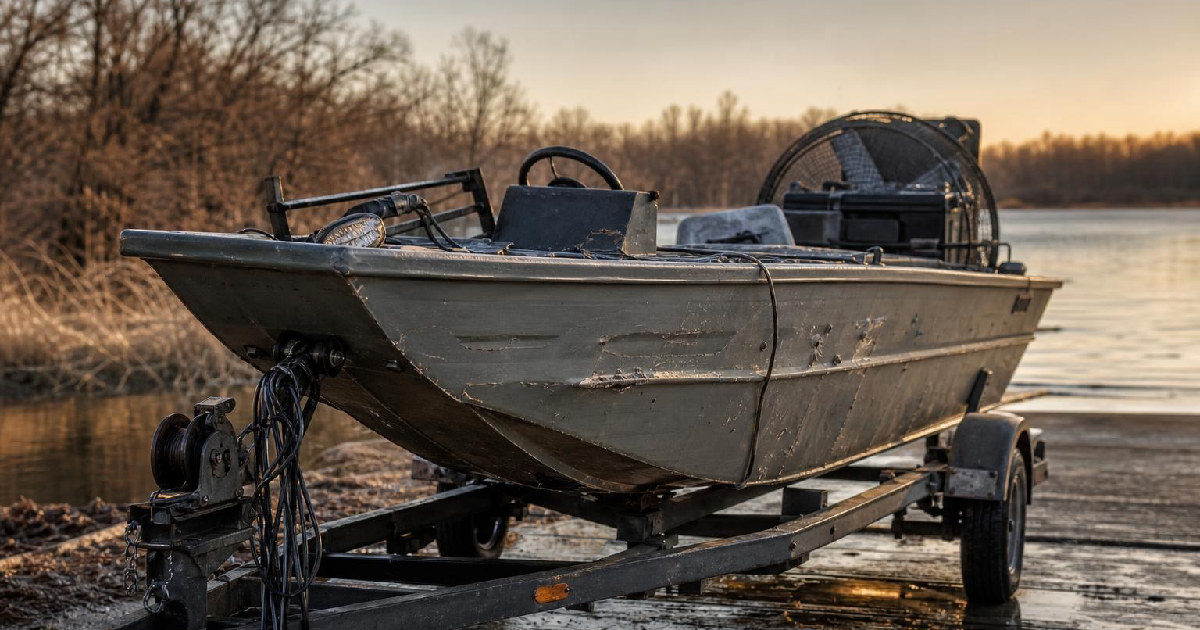
The trailer starts as a problem and a joke at the same time. It had once been a working mobile bait setup, but by the time of the video it is empty in the exact way that makes the challenge urgent. The creator talks through what was left behind: dead shrimp, a dead crab, a dead seahorse, and a freezer of old fiddler crabs. That detail does more than add color. It explains why the new business has to be built from scratch and why the clock is such a big part of the story.
The grand opening is less than 24 hours away, and the plan depends on making the trailer look like a place that has already chosen a lane. Not polished. Not upscale. Just unmistakably stocked for a very specific kind of customer who wants a deal and is willing to laugh at the presentation.
That is where the idea starts to feel smart rather than random. The shop does not need to look expensive if the pitch is that everything inside is cheap on purpose.
The bargain-hunting day that filled the shelves
Most of the video is built around the search for inventory. Instead of ordering a perfect set of product and waiting on deliveries, Jordan and his crew go store to store trying to buy the items nobody else wants, or the items that are priced low enough to make the whole concept work.
The pawn shop stop that set the tone
The first meaningful stop is a pawn shop, where the hunt is for cheap rod-and-reel setups and anything else that can pass as starter stock. The exchange is practical and funny at the same time. Jordan makes his pitch as a new owner trying to get set for a grand opening while also admitting that every dollar spent is a dollar lost if everything is being sold for one dollar the next day.
That tension gives the whole sequence its energy. He is not pretending the numbers make perfect sense. He is leaning into the absurdity of buying inventory that will immediately be marked down. Still, he does get a deal on a few rod-and-reel combos, and that becomes one of the first real building blocks of the store.
The tackle shop bin that became the real score
The most important stop is the fishing outfitter with the bin of two-dollar lures. This is where the business model starts to look more serious. Instead of chasing premium gear, Jordan asks for the stuff that is hardest to move, the items that have been sitting, and the lowest-cost pieces that can still fill bins and keep the shop from looking empty.
That bin changes the math. Buying individual premium items would not support the one-dollar opening idea. But a bulk pile of discounted lures, soft plastics, and tackle makes the place feel packed. It also gives the shop a real sense of variety, even if the whole inventory strategy is built on leftovers and markdowns.
The video keeps returning to that contrast: this is not a place trying to look elite. It is a place trying to look full.
Branding the shop before the first customer arrives
The signs may be the most important visual decision in the whole episode. Jordan brings in Sorama to handle fast turnaround branding and gets the trailer dressed with a name, a live-bait sign, and a big message that everything is a dollar. That matters because the trailer itself is rough enough that the signage has to do a lot of work.
The branding also gives the project its identity. It is no longer just “the bait trailer.” It becomes Jiggins Bait Shop, a name that sounds like it knows exactly what kind of operation it is. That confidence is part of the appeal. The trailer can be beat up, the inventory can be chaotic, and the plan can be a little ridiculous, but the sign makes it feel intentional.
There is also a useful lesson buried in the setup: small businesses often live or die on clarity. If customers can understand the deal in three seconds, the shop has a shot. In this case, the deal is obvious.
What the video says about the business model
The video is funny, but it is also pretty clear about what the strategy is supposed to do. Jordan is not trying to make money on the grand opening itself. The dollar pricing is meant to pull in customers, create goodwill, and turn a one-time stop into repeat business later when the bait shop is fully operating.
That is why the story keeps mentioning live bait, future traffic, and the idea of earning a customer for life. The opening is a loss leader by design. The real value is in building a habit: if people remember where the cheap gear was, they may come back when they actually need bait.
The inventory choices support that logic. There are rods and reels, bins of lures, crappie baits, terminal tackle, tackle bags, and a few premium pieces held inside to keep them from walking off. Everything is arranged to make the tiny trailer feel like a real store, not a pile of odds and ends.
And because the whole thing is mobile, the launch feels temporary in a way that works for the story. It is not a permanent storefront with years of overhead. It is a rolling experiment that has to prove itself fast.
Why the grand opening feels like a test run, not a finish line
By the end of the video, the trailer is powered, lit, signed, and stocked enough to open. That is a real accomplishment, even if the creator keeps the tone loose and half-joking. The build has to survive weather, wiring headaches, and the simple fact that the shop has been assembled with very little time to spare.
The strongest thing about the episode is that it never pretends the work is over. It is obvious this is only the first phase. The shop still needs more structure, better organization, and a successful opening day to prove the idea holds up. But as a snapshot, it works because it captures the exact moment a half-baked concept becomes a place people can actually walk up to.
That is the part worth watching for: not just the fishing gear, but the transformation of a busted trailer into a functioning local storefront with a personality. The humor helps. The urgency helps. And the one-dollar gimmick gives the whole thing a clear reason to exist.
Watch the original video: https://www.youtube.com/watch?v=H_xamvQ0MV0
RECOMMENDATIONS
All About The Life designs from Texas Thread Theory, inspired by the places you go and the stories you bring back.

Keep Exploring Badge
A vintage outdoor badge centered on one simple message: “Keep Exploring.” With mountains, evergreens, a river, hiking boots, lantern, map, and compass details, it’s made for hikers, campers, travelers, and anyone who is always curious about what’s around the next bend.