A short Florida hunt that had to count
This video is really about making one day do the work of five. Early wood duck and teal season in Florida only gave the crew a narrow window, and the creator had just one day available. That alone gives the hunt a little tension, because there is no time to wander around hoping something works out. The plan had to start with scouting, and it had to lead into a hunt that was ready before daylight.
The simplest answer to what this video shows is that the day paid off because the scouting was done well, the boat was set up for the terrain, and the first bird of the day turned out to be a banded wood duck. That is the kind of outcome that makes a quick hunt feel like a complete story instead of a rushed errand.
Why the boat mattered as much as the birds
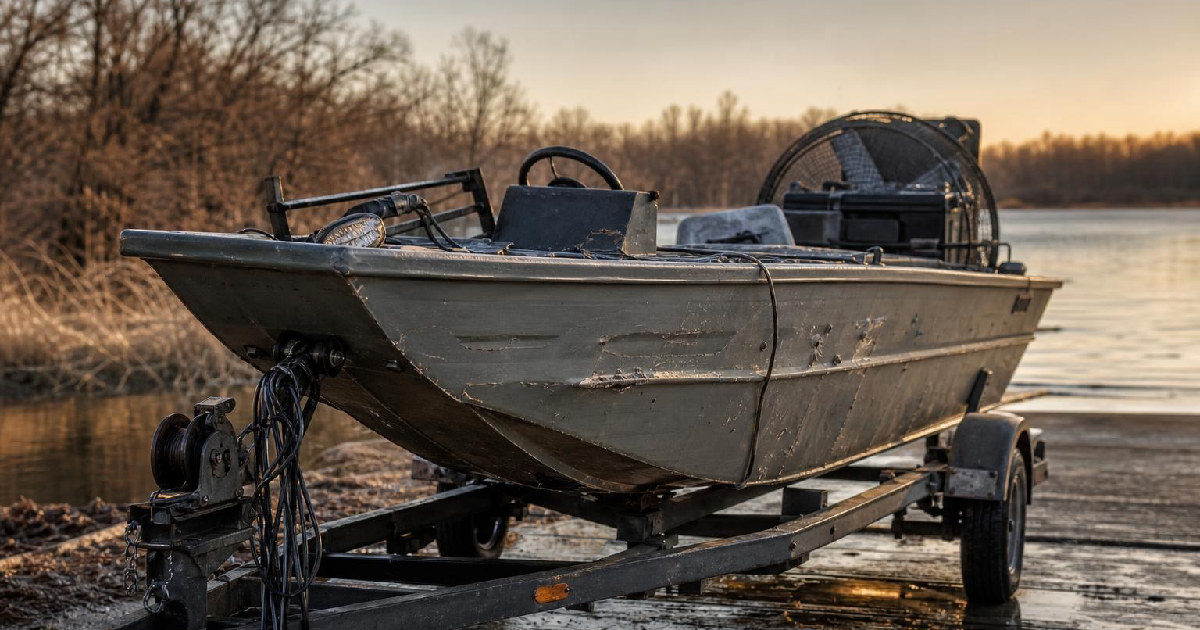
The boat is not background in this video. It is the main tool that makes the whole hunt possible. The creator keeps coming back to how the Prodigy is built to move through thick, nasty water and how it has been used for all kinds of trips, even ones it was not originally designed for. For duck season, though, the boat gets stripped down and made low-profile.
That modular setup matters. Earlier in the video, the boat has already been used in bowfishing mode. Before the duck hunt, the lights, extended deck, rear pulling platform, and trolling-motor setup are shifted around or removed so the boat can sit cleaner and lighter in the water. The result is a hunting rig that feels intentionally built for the kind of shallow, brushy cover the crew is trying to use.
The creator clearly enjoys that flexibility, but he also frames it as something practical. The boat can be a Swiss Army knife, but on this hunt it needs to behave like a duck boat first.
Scouting first, hunting second
The afternoon scouting run does a lot of the heavy lifting for the story. Instead of pretending the hunt started at the ramp, the video spends time showing how the area looks, how birds are moving, and why certain little pockets seem worth returning to in the morning. The crew is reading the shape of the water, how the islands and cover break up the space, and where a boat can tuck in without standing out.
That scouting becomes even more useful because it does not just show birds in the distance. It helps define the hunt. The crew is looking for a place where the boat can blend into the environment, where the hunters can hide in the cover, and where ducks might feel comfortable enough to commit. In other words, the scouting is not just about finding birds. It is about finding a place that can be made into a believable setup.
The creator’s excitement here comes from seeing that there really are birds around. Not a few, but enough that the place starts to feel promising. That is what makes the next morning worth the early alarm.
The decoy spread that tried to feel natural
Once the crew gets to the hunt, the video shifts into the part that duck hunters will recognize immediately: shaping the spread. The decoys are not thrown out as decoration. They are treated as a way to create a safe-looking space for birds passing by.
The creator explains the thinking plainly. The spread includes wood ducks, teal decoys, and also some model birds that help the whole scene look believable. He points out that some birds are not legal targets, but they can still help sell the setup visually. That detail matters because the video is less about a perfect textbook spread and more about a practical one that fits the Florida setting and the birds the crew is hoping to attract.
There is also some genuine appreciation for the gear itself. The Japu decoys get a lot of attention, especially the dipping motion on the newer pieces. The movement is described as subtle rather than dramatic, and that seems to be the point. Instead of looking mechanical, the spread is meant to feel calm and natural, like a place other ducks would actually want to land.
That idea runs through the whole setup: create enough realism that the birds feel safe, then be ready when they come in.
When the first shot turns into a banded duck
The bird that changes the whole morning comes early. Reed ends up with a wood duck that carries a band, and the reaction says everything. This is not treated like a casual bonus. It is the kind of moment that instantly becomes the center of the story.
The video makes a point of showing why that matters. A band is not just jewelry for the bird; it is part of the tracking history behind it. The creator explains that bands can be looked up to learn more about where a bird came from and something about its movement. In this case, the band turns out to be especially satisfying because the bird is traced back to Florida, so it is a local bird in a local hunt.
That makes the moment feel even bigger. It is one thing to shoot a duck. It is another to end up with a bird that connects directly to the same place you are standing in. The crew reacts like they know they have just had the kind of memory that will get retold for a long time.
The creator also leans into the humor of it. He jokes that he missed the bird and Reed finished it, so the band belongs to Reed. That kind of back-and-forth keeps the moment grounded. It is a big deal, but it still feels like the same hunting friendship and playful ribbing that runs through the rest of the video.
Why the waypoint mattered at the end
One of the more understated details in the video is the waypoint naming. After the banded bird, the spot gets a name that marks the day. That feels small, but it actually says a lot about how the creator thinks about hunting spots. They are not just coordinates; they are memories.
Naming the place gives the hunt a permanent reference point, which fits the mood of the whole video. The banded bird, the good scouting, the shallow-water setup, and the first-day success all get tied to one location. That is why the ending does not need a long wrap-up or a long list of takeaways. The hunt already made its own point.
The other practical takeaway is that the creator clearly trusts this boat and this style of setup for future hunts, even if this particular one ends up being extra memorable. The bird count matters, but so does the fact that the whole approach worked: scout carefully, use the right kind of boat, set a believable spread, and stay ready when the birds start moving.
That is what makes the video feel complete. Not a perfect hunt, not a polished field guide, just a short Florida morning that lined up at exactly the right time.
Watch the original video: https://www.youtube.com/watch?v=U8Xe063B_sQ
RECOMMENDATIONS
All About The Life designs from Texas Thread Theory, inspired by the places you go and the stories you bring back.
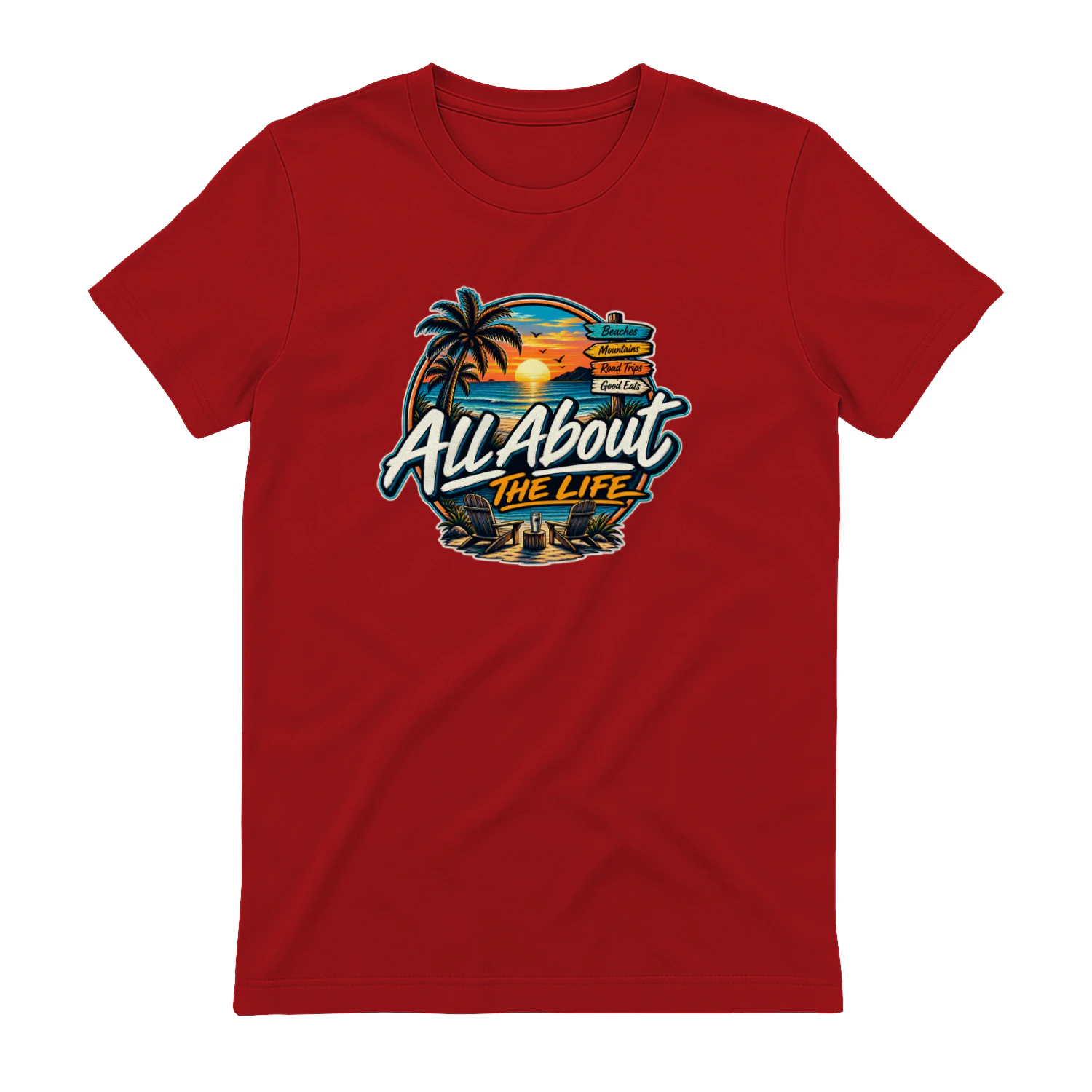
All About The Life Beach Signpost Badge
A tropical All About The Life travel badge featuring a glowing sunset, beach chairs, ocean scenery, and a signpost pointing toward Beaches, Mountains, Road Trips, and Good Eats. It’s a celebration of all the different ways to get out, explore, eat well, and enjoy the good life.