Why this visit to Epic Bait Molds mattered
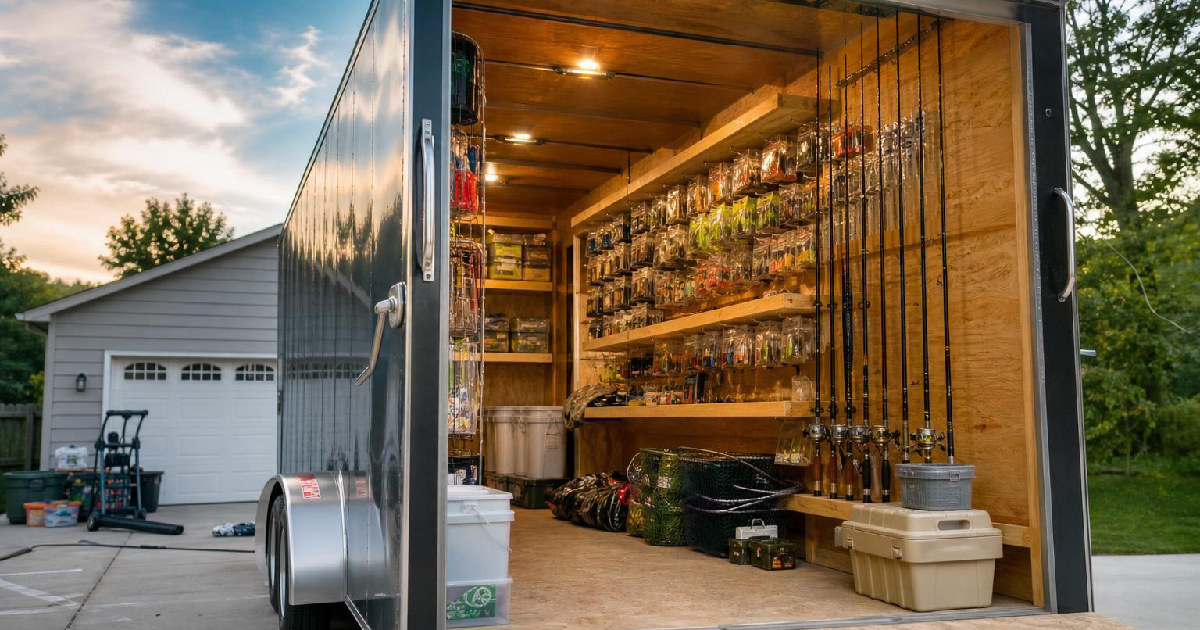
The clearest answer to what happens in this video is simple: Jiggin' With Jordan stops treating Jiggins Bait Shop like a running joke and starts treating it like a place that could eventually stand on its own. The trip to Epic Bait Molds is not just a tour, and it is not just a comedy bit about giant worms and strange-looking lures. It is a hands-on lesson in how custom soft plastics are designed, produced, and turned into something a bait shop can actually stock.
That is the real shift here. Up to this point, the bait shop has been built around cheap finds, oddball inventory, and a deliberately scrappy approach. This visit asks a better question: what happens when the shop starts making its own identity instead of just collecting other people’s leftovers? The answer, at least in this episode, is that the whole operation starts to look more intentional.
The custom baits that turned a joke into a toolkit
A lot of the video’s charm comes from the fact that the baits are funny before they are practical. The world’s largest worm is the obvious centerpiece. It is oversized enough to be a stunt on its own, but it also serves a purpose: it shows the scale and precision that goes into the mold-making process. The same is true for the other pieces that come out of the shop.
The molds shown in the episode are not random decorations. They point toward a bait shop that wants a usable lineup: a soft plastic jerkbait, a stick bait, a frog, a crawl-style bait, and the custom Jiggins Jaywalker. Those shapes matter because they give the shop a range of presentations rather than a single novelty item. In other words, the humor is in the names and the reveal, but the value is in the variety.
That mix also says something about the way Jordan is thinking about the business. He is not just trying to fill a shelf. He is trying to build a bait identity that customers can remember. A bait shop with a frog, a crawl, a stick bait, and a custom jerkbait has a clearer personality than one stocked with whatever happened to be cheap that week.
What the surprise mold says about the bait shop’s direction
The most interesting part of the episode may be the surprise mold reveal. Jordan does not know what is inside it until the end, and that uncertainty keeps the moment playful. But the reveal matters because it shows how the shop is beginning to use custom design as branding, not just production.
The Jiggins Jaywalker is the strongest example of that. It is not just a bait with a shape. It carries the name, the attitude, and the inside joke of the channel. That makes it feel like a true house lure, something the bait shop can point to as its own. The custom design also suggests that the shop is moving from random inventory toward signature products that belong to the creator’s world.
The same thing happens, in a quieter way, with the fact that one of the craw-style baits is tied to Reef, Jordan’s dog. That little detail gives the lure a personal connection without turning the article into a fan service piece. It simply shows that this bait shop is being built around real attachments and familiar names, not just generic product categories.
Why the world’s largest worm mattered even more than the spectacle
It would be easy to read the giant worm as the whole point of the visit, but the episode gives it a different role. The oversized worm is the spectacle, yes, but it is also a proof of concept. It lets the viewer see the tools, the materials, and the precision behind the process in a way that a smaller bait might not.
That matters because the episode is really about learning. Jordan is not coming in as a seasoned mold maker. He is learning the terminology, the process, and the hands-on steps involved in making soft plastics. The giant worm becomes a kind of classroom object: large enough to be memorable, technical enough to demonstrate the craft, and absurd enough to keep the tone loose.
The fact that the mold is described as expensive to make in materials and aluminum also reinforces the point without needing outside context. This is not a casual craft project. It is a serious process with real tooling behind it. That gives the bait shop upgrade more weight than a typical novelty episode would have.
The colors and pours are where the episode becomes practical
Once the molds are chosen, the video shifts from introduction to execution. That is where the episode becomes most useful for anyone interested in bait making. Jordan chooses specific colors for the different lures, including a dark purple for the stick bait and accelerator worm, a pearl white for the jerkbait, a two-tone green-and-white frog, and a honey-colored crawl with black and red flakes.
Those choices are not presented as universal rules, and the video wisely avoids sounding like a how-to manual. Instead, the color process functions as a test of instincts. Jordan is learning what works visually and what feels right for each lure shape. The dual pour on the frog is especially telling because it shows that the process is getting more experimental as the episode goes on.
That experimentation is part of the appeal. The lures are not being made in a sterile factory mood. They are being made through trial, error, laughter, and a fair amount of guessing. That keeps the episode grounded in the creator’s personality while still giving it enough substance to feel like a real maker story.
A bait shop built on learning, not just selling
By the end of the episode, the real takeaway is not the giant worm or even the custom Jaywalker. It is the fact that Jiggins Bait Shop is starting to learn how to become a business with its own products. The shop began as a joke about bargain-bin inventory and a rough trailer setup. This visit changes the tone. It suggests that the next chapter could be about making things that are meant to stay in the shop, not just pass through it.
That is why the video works as a companion feature. It is funny on the surface, but underneath it is about ownership: owning the learning curve, owning the product ideas, and owning the process of turning a rough start into something more recognizable. The molds give Jordan a path toward repeatable inventory. The custom names give the bait shop a voice. The hands-on instruction gives the whole project a future.
And because the episode keeps that future tied to actual making, it never feels like empty branding. It feels like a creator discovering that the fun part is not only selling baits, but understanding how they are made and what makes people want them in the first place.
Watch the original video: https://www.youtube.com/watch?v=LRMYX5JUDWw
RECOMMENDATIONS
All About The Life designs from Texas Thread Theory, inspired by the places you go and the stories you bring back.
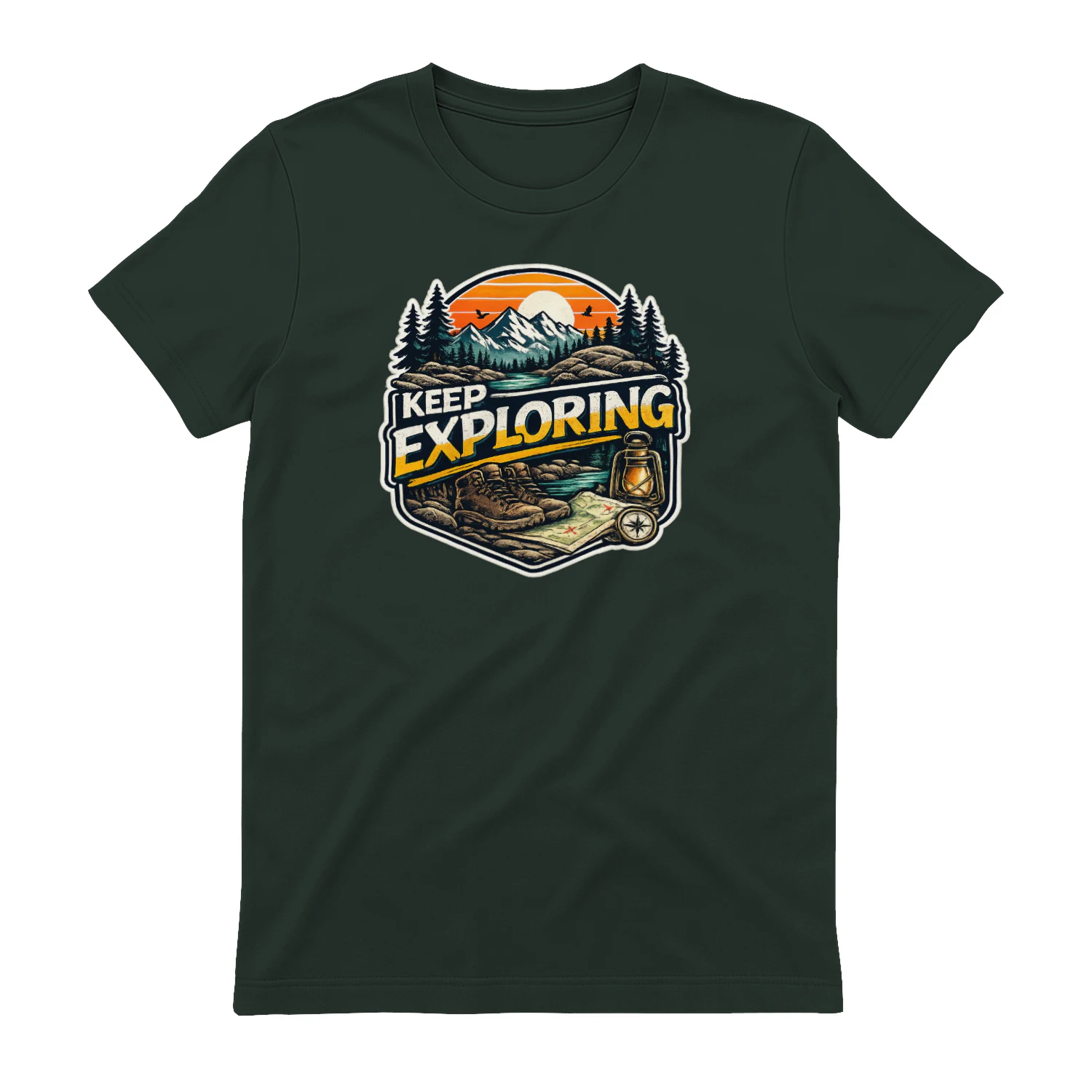
Keep Exploring Badge
A vintage outdoor badge centered on one simple message: “Keep Exploring.” With mountains, evergreens, a river, hiking boots, lantern, map, and compass details, it’s made for hikers, campers, travelers, and anyone who is always curious about what’s around the next bend.