What the flood changed in the creek
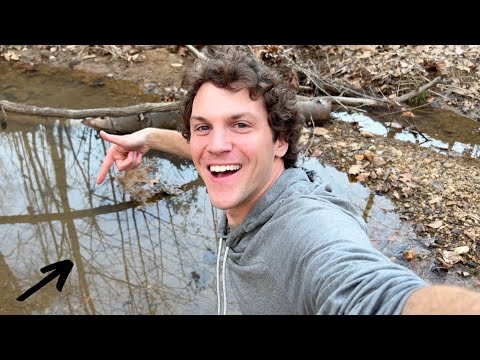
The plain answer is that this video is about going back to a creek after recent floods and seeing what the water has uncovered. That simple setup matters because the hunt is not framed as a technical metal detecting mission or a carefully staged dig. It is a creek-walking day built around observation, timing, and the kind of patience that pays off when fresh water has rearranged the ground.
That is what gives the whole video its shape. The creek is not just a place to search. It is the reason the search feels different from one visit to the next. A bank that looked ordinary before can suddenly start giving up older material, and a gravel bar that was quiet last time can become a place where marbles, pottery, and worked stone show up almost at random.
The flood also changes the way the hunt is read. A lot of the finds are not deep recoveries. They are the sort of things that become visible when the creek bed has been stripped, tumbled, or cleared enough for surface hunting to matter. In other words, the water has already done part of the work.
A hunt built on eyes, patience, and the bank line
One of the most interesting parts of the video is how often the finds come from simply noticing shape, color, or a break in texture. Nugget Noggin is not waiting for a machine to tell him where to look. He is walking, scanning, kneeling, and checking anything that stands out against the rocks and mud.
That approach makes the creek feel active. A tumbled brick, for example, is not treated as just another piece of debris. It becomes a clue that the water has been moving material around long enough to smooth edges and expose older layers. The same goes for the odd bits that show up near the bank, where erosion seems to be feeding the creek with new material.
The search moves across different parts of the creek too. At one point there is a gravel bar. Later there are log jams, bedrock stretches, muddy water, and a different creek altogether. That variety matters because each section gives a different kind of visibility. Some places are better for things sitting on top. Others are better for catching the edge of something half-buried or washed free from a bank.
The finds that carried the most history
The most memorable pieces in the video are the ones that feel like they belong to a much older layer of use. The first clear standout is the pottery shard with a horse-and-buggy scene on it. Nugget Noggin identifies it as a Colonial Liberty Blue piece, and even without overexplaining the date or background, the image itself makes the fragment feel rooted in a different time.
The two worked stone pieces are just as important to the story. One appears as a crude spear point, chipped on both sides and found right on top of the creek bed. Another point comes later, also rough and incomplete, but clearly worked. There is also a flake that may have been part of a tool-making process. Taken together, those finds are what make the trip feel like more than a novelty hunt. They suggest a place where Native American material is still being exposed by the creek’s movement.
The marbles add a different kind of value. There is a solid red one, a blue one, and another with mixed colors that Nugget Noggin nearly missed. They are small, but they matter because they show how the creek can hold both historic and more recent childhood trash-and-treasure at the same time. That mix is part of the appeal of surface hunting in a place like this.
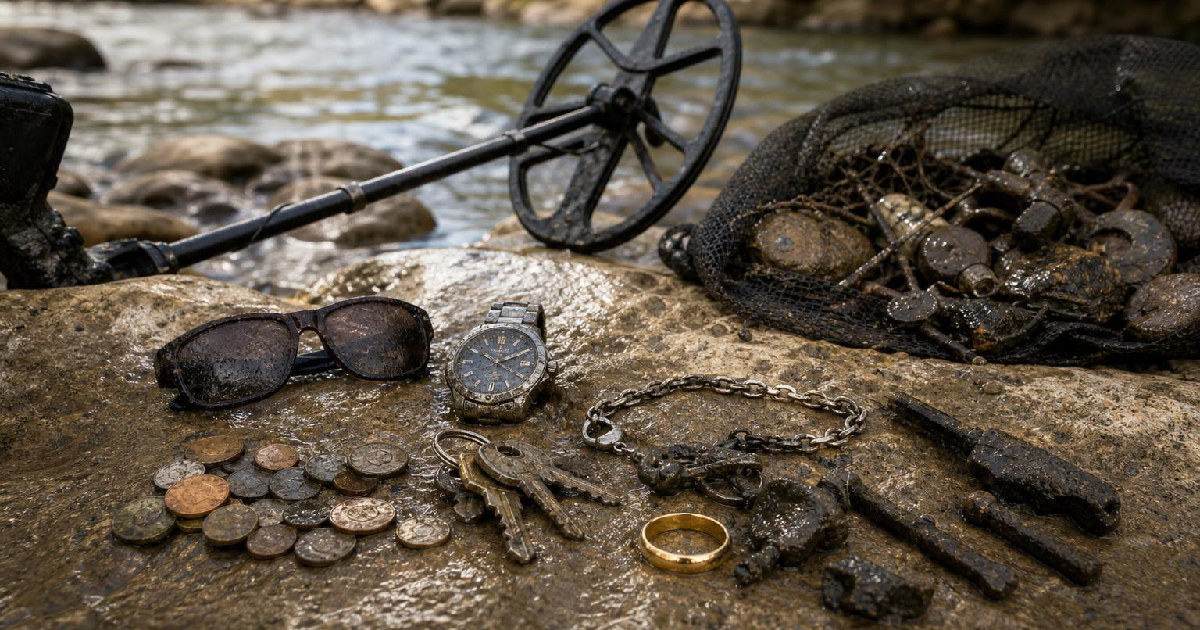
Then there are the odd survivors: a porcelain doll fragment, a horseshoe large enough to stop the walk, a pocket knife, a jar lid, a small bottle, a milk bottle, and a perfume or cologne bottle. Each item lands somewhere between relic and leftover. None of them tells the whole story on its own, but together they give the creek a layered personality.
Why the same creek felt new again
What makes this outing interesting is that Nugget Noggin had already walked this place before and hadn’t found much on prior visits. This time, he says the creek seems almost new. That shift is not presented as magic. It is presented as the effect of rain, floods, and the ongoing motion of water.
That is a useful reminder for anyone drawn to creek walking finds. The site is never really fixed. One good flood can change what is exposed, what gets buried, and what starts to show up on top. The same stretch of water can go quiet for a while and then suddenly start giving up material again.
The video keeps returning to that idea without spelling it out too heavily. A worked stone is found on the surface. A point seems to have washed out of the bank. A marble appears in the water. A bottle is spotted by eye. The hunt is basically a study in how the creek keeps remaking its own inventory.
A mixed haul that tells the truth about creek walking
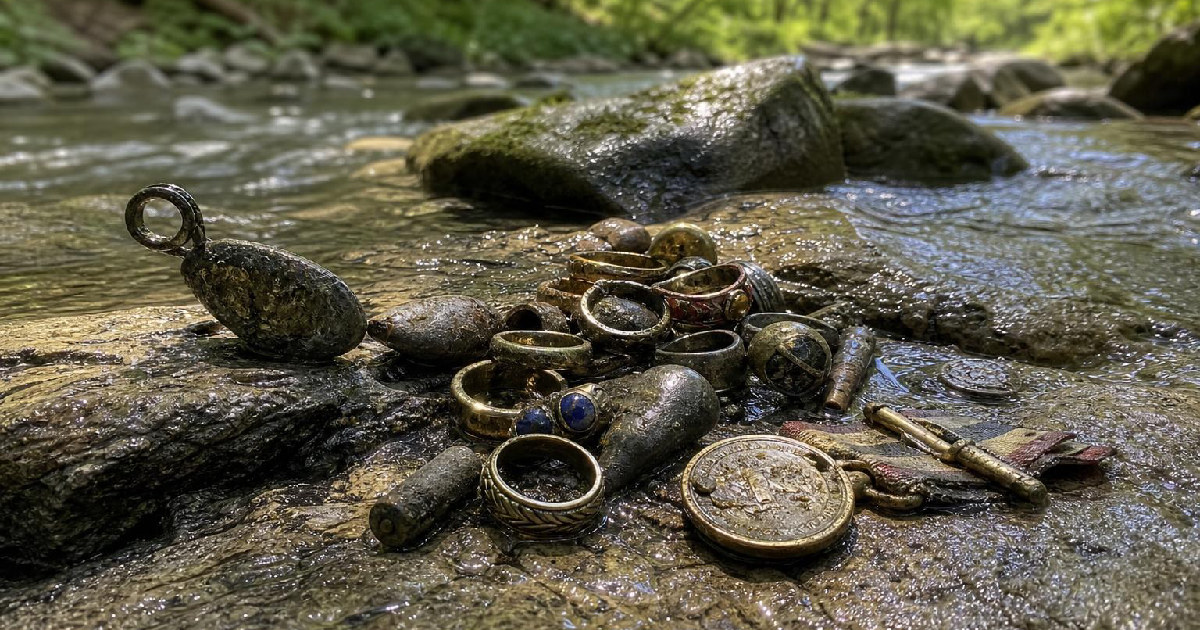
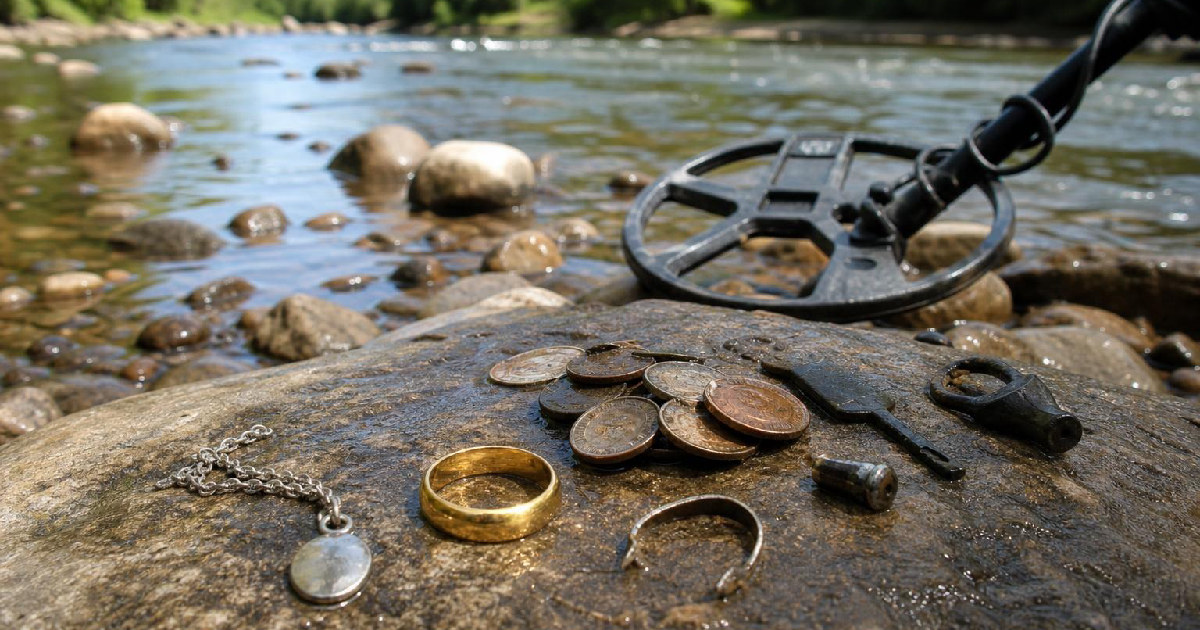
By the end, the spread of finds is what gives the feature its real character. There is history, but there is also clutter. There are artifacts, but there are also modern leftovers like a phone and a credit card. That combination is honest to the genre. Creek walking rarely hands over one clean category of treasure. It gives you whatever the water has moved, dropped, protected, or exposed.
That is why the final pile feels satisfying. Not because every item is rare, but because each one confirms the same basic point: the creek is still changing, and those changes are still revealing pieces of the past. A marble might be sitting near a worked stone. A bottle might lie close to a pottery fragment. A horseshoe might surface in the same kind of search that turns up a tiny flake.
For viewers, that is probably the appeal of this video. It does not pretend the creek is perfectly predictable. It shows a person reading the ground, responding to what the flood has done, and building a day around whatever happens to be visible in the moment.
Watch the original video: https://www.youtube.com/watch?v=en2jbeiNXE4
What stands out most from this kind of hunt
The strongest takeaway is that the flood did not create treasure out of nowhere. It made a different set of things available to find. That is why the video works so well as a companion piece: it captures the middle ground between natural disturbance and human history, where a creek can give up a marble, a point, a button-like fragment, or a bottle simply because the water has been busy.
In a lot of ways, that is the whole appeal of creek walking finds. The ground changes. The search changes with it. And every visit starts over with the same question: what did the water leave behind this time?
RECOMMENDATIONS
All About The Life designs from Texas Thread Theory, inspired by the places you go and the stories you bring back.
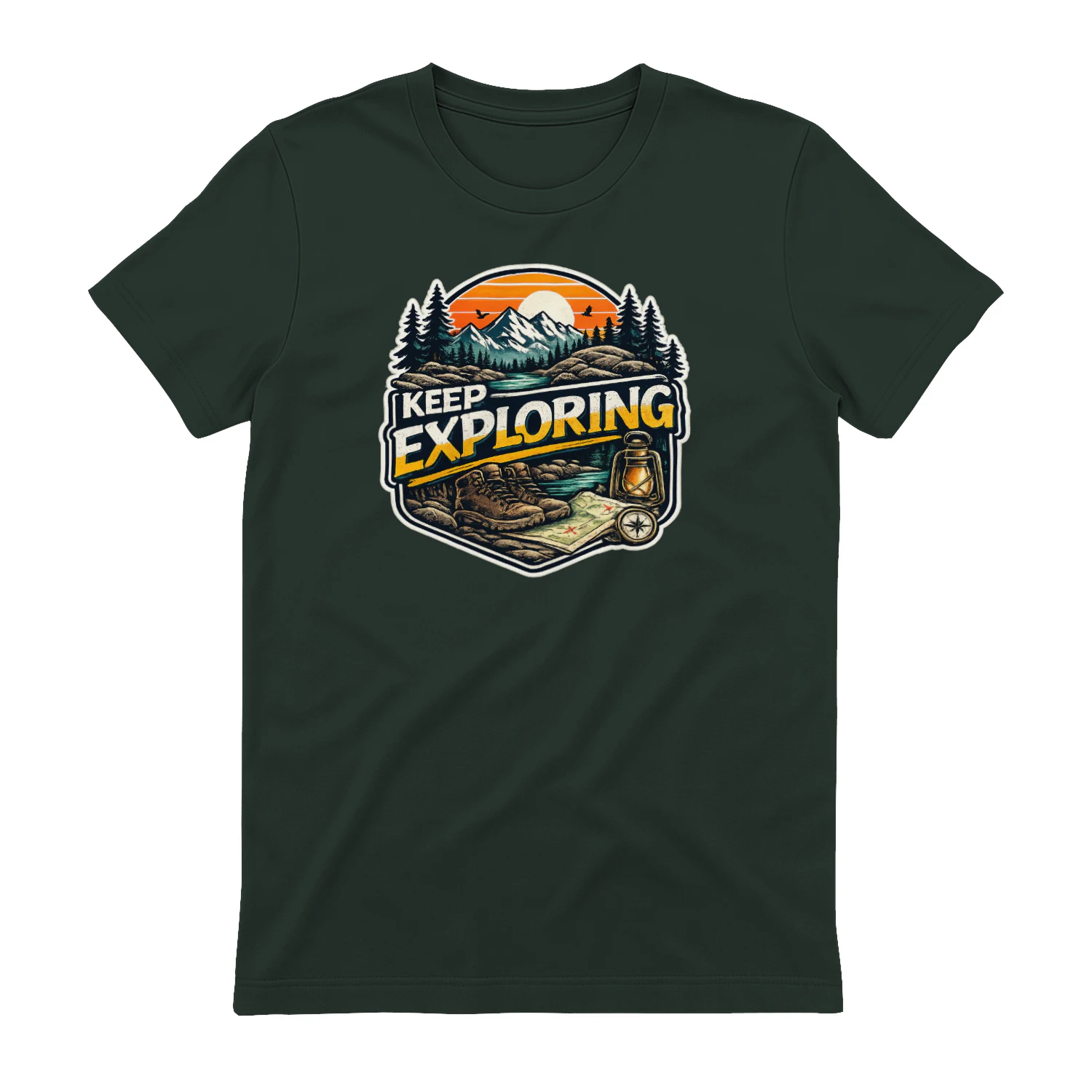
Keep Exploring Badge
A vintage outdoor badge centered on one simple message: “Keep Exploring.” With mountains, evergreens, a river, hiking boots, lantern, map, and compass details, it’s made for hikers, campers, travelers, and anyone who is always curious about what’s around the next bend.