Why this packing method works for a long trip
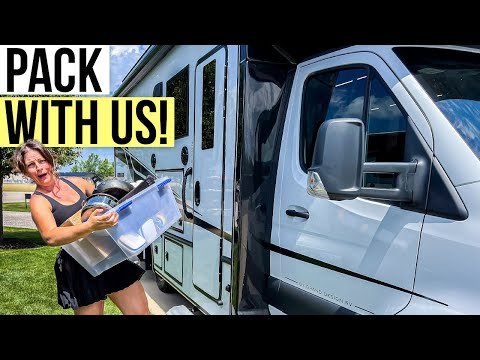
The plain answer is that this RV packing tips for a road trip video is about fitting a family of four into a 25-foot motorhome for six weeks and making the space usable once the trip starts. The more useful answer is that it shows how small-space travel works when you stop treating packing like a one-time puzzle and start treating it like a system.
That system matters because the family is not just loading for one overnight stay. They are preparing for a 45-day road trip that will take them toward Montana and Glacier National Park, while also working through the realities of a smaller Class C. The video is really about balance: what has to come with them, what can wait, what needs to stay easy to reach, and what can live in the awkward corners of the coach.
The storage question that shaped everything
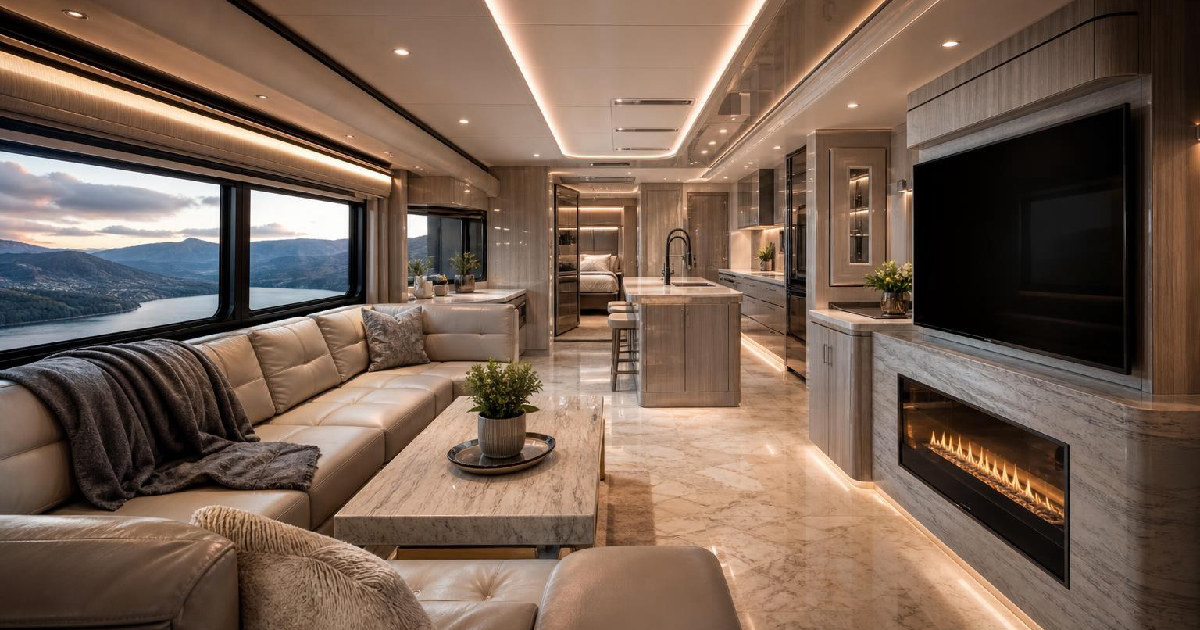
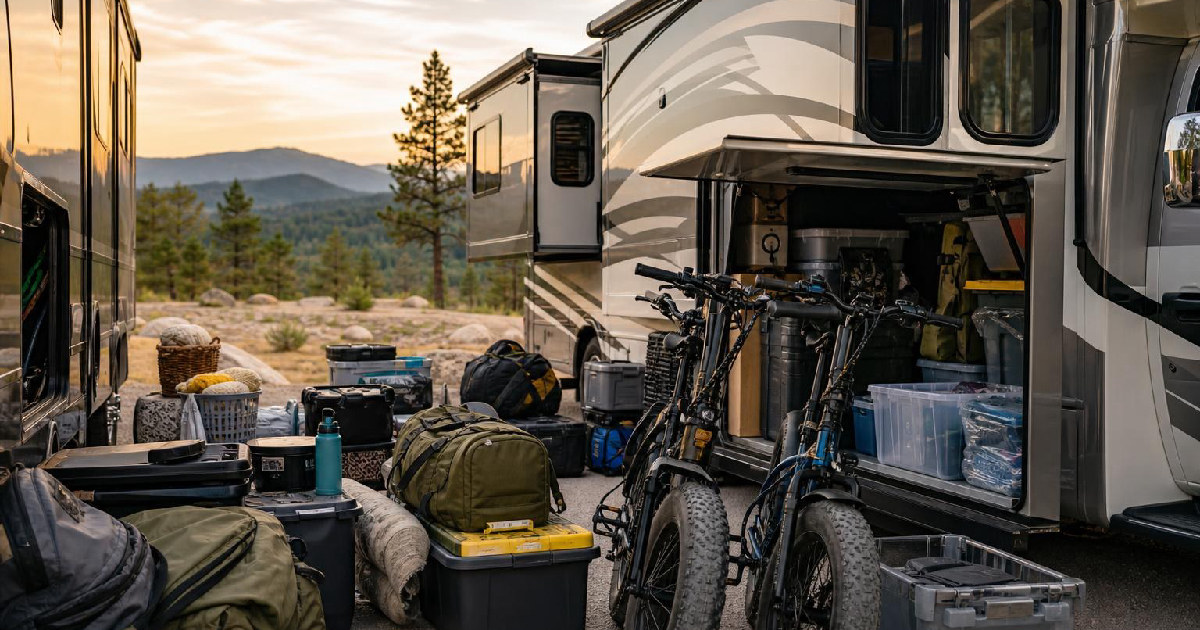
Before the actual packing begins, the video spends time on the RV itself, and that is not accidental. Storage is the first real story here. The new Lineage Class C arrives with a mix of surprises: a deeper slide, a generous rear closet, useful drawers, and a surprising amount of inside storage overall. The outside storage, by contrast, is described as more limited.
That contrast ends up shaping the whole approach. If the inside is stronger than the outside, then the smartest move is to use the interior in layers. The creators do not seem interested in filling every cabinet just because it exists. They are trying to assign each space a job. The easiest-to-access areas get the items they expect to touch the most. The weird, tall, or awkward spaces get the odd items that can live there without creating daily friction.
That kind of thinking makes the RV feel less like a storage challenge and more like a map.
Three rules that keep the load manageable
The video’s most useful takeaway is the family’s packing philosophy. They do not present it as a universal formula, but they do give three clear rules that guide how they pack and how they live.
The 80% rule
Their first rule is simple: do not fill a space all the way. Leave about 20% open so the RV has some breathing room, the drawers are easier to use, and there is room for anything that gets added during the trip. It is a practical way of saying that a packed RV should still be flexible.
That cushion also keeps the trip from becoming a constant game of shoving things into wherever they will barely fit. A little open space means a little less stress.
The rule of two
Their second rule is about owning or packing smaller, more specialized versions of things when that helps the trip work better. The examples are all about reducing bulk without losing usefulness: a smaller Instant Pot, a compact coffee maker, collapsible cookware, lighter camp chairs, and other items that do the same job as larger versions but take up less room.
This rule is especially smart for RV travel because it recognizes that not every favorite item has to travel in its full-size form. Sometimes the better choice is the item that fits the trip instead of the item that fits the house.
The 20/20 rule
Their third rule is the most forgiving. If something costs around $20 or less and would only take about 20 minutes to replace, they try not to spend much time worrying about it. In practice, that means the family can relax a bit about small consumables or quick replacements. Not every item deserves a full debate when there is a store nearby and the trip itself is more important than perfect packing.
Taken together, these rules push the packing process away from perfectionism. They encourage a trip that can absorb change.
How the family divided the RV into zones
One of the clearest strengths of the video is how naturally the family assigns spaces based on use.
The kids get a dedicated area for books, toys, games, and homeschool materials. That matters more than it might sound like, because a road trip is easier when children have their own territory, even if that territory is just a drawer or a basket. The video shows the kids helping claim their space, including one very personal packing decision: a box of Pokémon cards.
Marissa’s packing leans toward clothing, bathroom items, and the practical details that keep a family moving. She also has to manage the strange in-between feeling of packing for a season change in school materials, since the family is finishing one homeschool year and starting another. That means books, notebooks, and supplies are not just baggage; they are part of the family’s daily rhythm.
Nathan takes on the broader systems. He looks at what fits where, starts with the biggest items first, and treats the cabinets as an evolving layout rather than a fixed answer. The pantry, the closet, the spaces behind the TV, and the odd overhead compartments all get sorted based on access and shape.
That division of labor feels very real. Packing an RV as a family is not just about how much you can fit. It is also about who needs what, and how quickly they need to get to it.
What ends up mattering most in a small RV
The video keeps returning to a simple truth: small-space travel gets easier when the trip has a structure. The family already knows they will be on the road for a while. They already know they will need to manage meals, clothes, kids’ gear, and sleeping arrangements in a tighter footprint. So they pack for use, not for the fantasy of having every possibility covered.
That is why the most valuable spaces are not always the flashiest. The rear closet becomes especially important. The drawers behind the bed, the overhead cabinets, and the hidden storage behind the TV all gain significance because they can hold things without cluttering the living area. Even the bathroom setup matters because everyday items need a place to disappear to.
There is also a subtle lesson in what does not get forced. Not every cabinet is maxed out. Not every storage area is treated like it has to prove its worth. The family leaves some room to grow into the RV, which is probably the most realistic part of the whole process.
Why this approach fits the road to Montana
This is a packing video, but it is also a preview of the kind of travel the family likes: compact, flexible, and willing to trade a little excess space for mobility and experience. That matters because the destination is not just any campground. They are heading toward Montana and hoping to reach Glacier before smoke, season timing, or weather changes the experience.
That urgency gives the packing a purpose. They are not loading the RV just to see if it can be done. They are getting ready to move quickly, live simply, and make the most of a window that may not stay open long.
The value of the video is that it treats packing as part of the adventure, not as a chore to get through before the real trip begins. The storage choices, the family rules, and the small compromises all point to the same idea: a smaller motorhome can still carry a family well if the load is thoughtful.
Watch the original video: https://www.youtube.com/watch?v=TbpQWJuzpSA
RECOMMENDATIONS
All About The Life designs from Texas Thread Theory, inspired by the places you go and the stories you bring back.

All About The Life Road Trip SUV Badge
A retro All About The Life road-trip badge featuring a rugged SUV, mountain roads, directional signs, and classic compass details. It’s the perfect design for back-road explorers, overlanders, weekend travelers, and anyone who likes their adventures with a full tank and no strict itinerary.