Why this Colorado basecamp works as a family setup
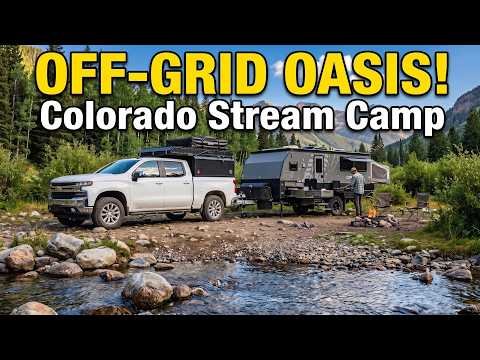
The direct answer to what this video is about is simple: it is a family of four building an off-grid camp in the Colorado Rockies and using it as a home base for fishing, hiking, cooking, and a few days away from hookups. But the better read is that this is not just a camping trip. It is a system check. The whole setup has to make sense once the rig is parked, the kids are loose in the creek, the road in has already rattled everything, and the family is settling in for a longer stay.
That is what makes the video interesting. The camp itself is part adventure, part logistics. The location matters because it is close enough to a creek for cooling off and play, but remote enough to feel like a proper escape. The family is not merely passing through. They are trying to live comfortably in a place where the nearest conveniences are not supposed to be the point.
What the rig is doing behind the scenes
The video spends a lot of time showing how the camp works because the setup is the story. There is an Opus OP-15 trailer and an overlanding truck topper rig, and together they form a mobile base that can hold a family, tackle, food, water, and the gear needed for a few days in the mountains. The trailer has a king-size bed and bunks for the kids, which immediately explains why this is a family camp instead of a stripped-down solo fishing run.
The creators also walk through the kinds of adjustments that make a loaded mountain trip possible. Stabilizing braces go down on the trailer. The truck carries an air ride system that helps level the load. A portable air pump and tire repair kit come along because rough roads, sharp rocks, and washboard surfaces are part of the territory. Those details matter because they show how off-grid comfort is not one big feature; it is a stack of small fixes that keep the day from falling apart.
The family also has Starlink rigged up and running, which gives them enough connection to check maps and stay in touch when they are deep in the mountains. That does not make the camp less remote. It just means the remote camp is working on purpose instead of testing patience for its own sake.
Water, power, and the limits of comfort off-grid
One of the clearest themes in the video is that off-grid living is only as smooth as the systems behind it. The family has no water hookups and no electric hookups, so power and water become central to the whole trip. The trailer carries three Pro Guide lithium batteries, a Victron solar controller, and three 100-watt solar panels on the roof. There is also a Blue Eddy unit with another 200 amp hours, which helps keep Starlink and laptop work going and gives them a separate way to manage charging.
That part of the trip sounds impressive, but the video keeps it grounded. Solar is helping, but not magically replacing every need. Water use becomes a real issue when everyone is showering, washing, and moving through a normal family routine in the woods. The gray tank fills quickly, and the family is already joking about how much water the kids are using. That is part of the realism here: the setup is comfortable, but comfort has a cost in storage, fuel, and planning.
Cooking becomes part of the same story. White chicken chili, cornbread, eggs, bacon, bagels, cream cheese, and coffee all show how the camp is meant to function like a temporary home, not a bare-bones bivouac. The outdoor kitchen is not just a novelty. It is where the trip becomes livable.
Why the little problems matter on rough mountain roads
The video makes a strong case that the small gear choices are what keep a big mountain trip from turning into frustration. The truck and trailer are carrying serious weight, and the roads are rough enough that the family expects suspension and tire trouble to be real possibilities. The air ride system helps keep the truck from sagging under the load, which the creator says changes how the vehicle handles and keeps it riding closer to stock height. That matters on roads full of washboard, rocks, and uneven stretches.
The tire setup matters too. The tires are aired down to help with the sharp rock terrain, and the portable pump is there to bring them back up later. This is the kind of detail that usually gets skipped in casual camping videos, but here it is part of the main story. The road is not a backdrop. It is one of the main conditions the setup has to survive.
Even the mention of a towable load, a fully built truck topper, and the trailer all being used together points to the same idea: this is a trip that depends on the rig being thought through from the beginning. The family is not improvising around the edges. They have built a system that can absorb the rough parts of getting there.
A camp that is built around the creek as much as the trailer
The setting does a lot of work here. The campsite is next to a stream, and that changes the entire feel of the stay. The water gives the kids somewhere to explore, helps cool things down, and creates the kind of sound that makes a camp feel settled. The family talks about the creek as a place for play, treasure hunting, and general roaming, while the adults still get to hike and fish.
That balance is the real achievement of the trip. It is not just about finding a place to sleep. It is about making a spot where the kids can be occupied by nature while the parents still have room to fish, cook, and enjoy the mountains. The video keeps returning to that idea without turning it into a speech. The camp works because it gives everyone something to do.
There is also a more emotional layer to that creekside setup. The sound of water, the pine air, the rain at night, and the mist in the trees all help explain why the family is willing to put up with the trouble of getting there. The setting earns the effort.
What the trip is setting up next
This first part of the adventure is really about arrival, setup, and making the camp feel like home. But it is also clearly a launch point. The family is staying for multiple days, hiking out, and heading toward water they have never fished before in hopes of finding trout. The creator mentions plans to explore streams and rivers connected to the broader area, including the San Juan River country, which gives the camp a practical purpose beyond relaxation.
The fishing itself becomes more meaningful because the basecamp is solid. Once the trailer, truck, kitchen, batteries, and water are all working together, the trip can shift from setting up to living. That is when the mountain stay starts to feel complete: a place to rest, a place to eat, a place for the kids to roam, and a place to prepare for the next cast.
The family also takes a moment to recognize how these trips have changed over time. The setup has grown as the household has grown, and the rig reflects that. What used to be enough for two people in rough conditions has become a more elaborate but more livable camp for four. That evolution is quietly at the center of the whole video.
Watch the original video: https://www.youtube.com/watch?v=URz0bP33YFc
RECOMMENDATIONS
All About The Life designs from Texas Thread Theory, inspired by the places you go and the stories you bring back.
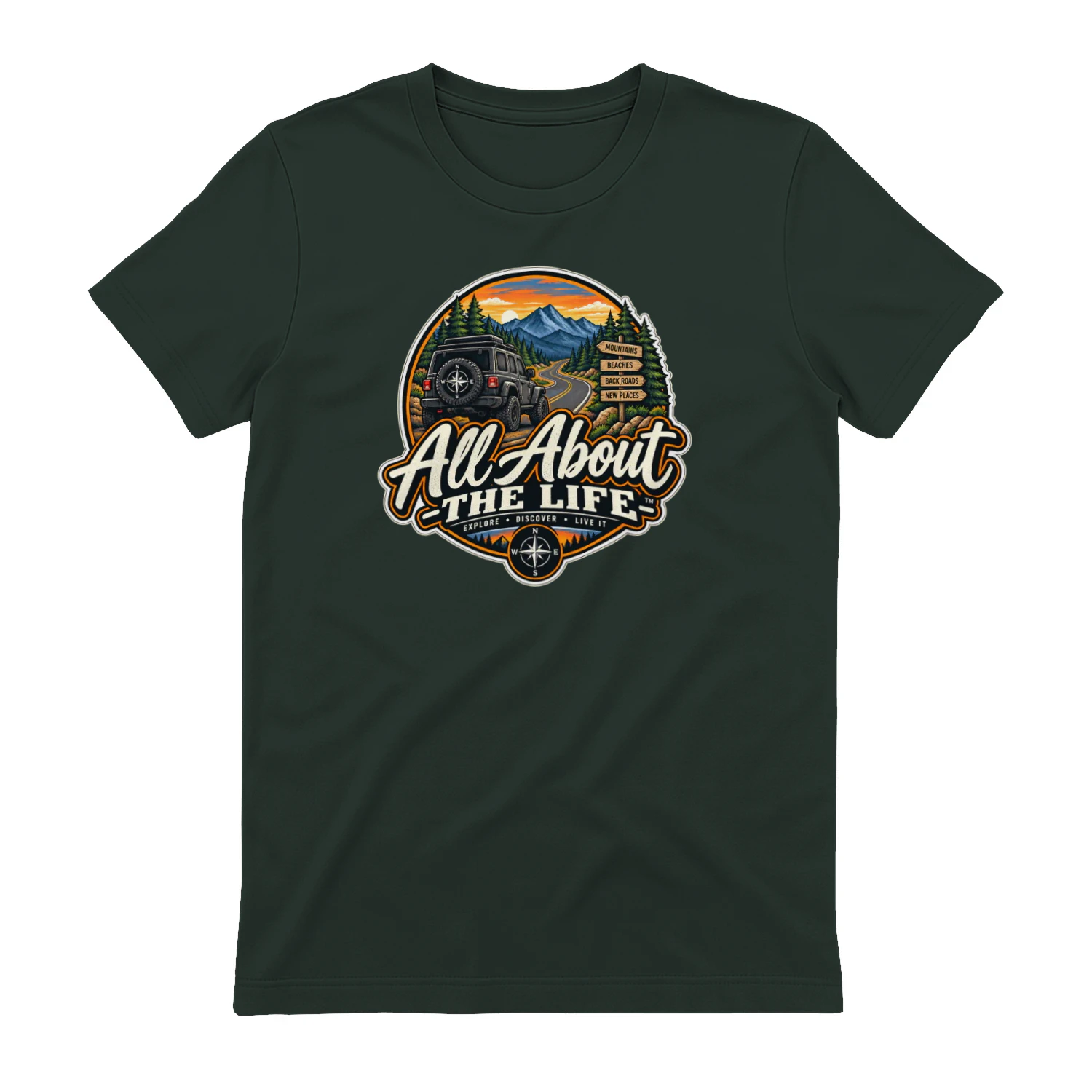
All About The Life Road Trip SUV Badge
A retro All About The Life road-trip badge featuring a rugged SUV, mountain roads, directional signs, and classic compass details. It’s the perfect design for back-road explorers, overlanders, weekend travelers, and anyone who likes their adventures with a full tank and no strict itinerary.